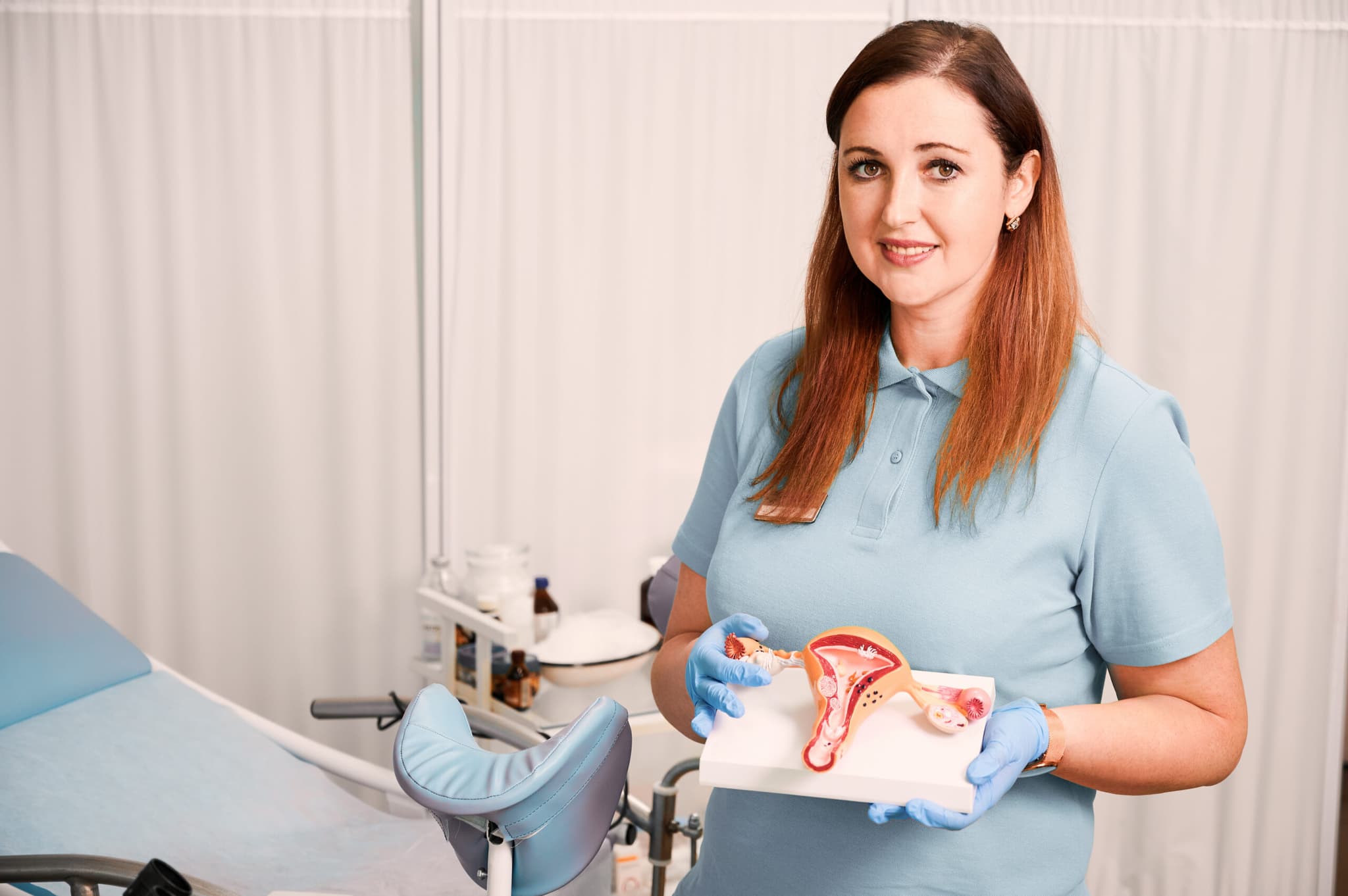


You have got as far as considering the procedure, and now you want the part that the brochures tend to compress into a sentence. Not whether it works — you have probably read enough about that — but what it actually feels like afterward, what can go wrong, and whether there is anything you would regret not knowing.
The general picture is that uterine fibroid embolization avoids the risks of open surgery and general anesthesia, and that most women recover at home within about a week. That is a real advantage and it is why the procedure exists. It is not the same as saying there is nothing to expect. There is a predictable period of discomfort afterward that catches women off guard when nobody has described it, there are uncommon complications worth understanding, and there are situations where a different treatment is the better choice.
At Seamless Medical Centers, Dr. Zagum Bhatti, Board-Certified Interventional Radiologist and Founder & Chief Medical Officer of Seamless Medical Centers, this conversation happens before any procedure is scheduled rather than after. A woman who knows what the first few days involve copes with them considerably better than one who was told only that recovery is quick.
What Almost Everyone Experiences
The most predictable effect follows directly from how the procedure works. Embolization blocks the arteries feeding the fibroids, and the fibroid tissue then begins to break down. That process produces cramping, often significant, usually beginning within hours of the procedure and most intense over the first day or two. It is commonly described as similar to severe period pain, and it is expected rather than a sign that anything has gone wrong.
Alongside it, many women experience what is described as post-embolization syndrome: a combination of cramping, low-grade fever, nausea, fatigue, and a general sense of being unwell, as the body responds to tissue breaking down. It typically settles over several days. Pain management is planned in advance and is part of the procedure rather than an afterthought, and your care team will set out what to take and when.
The first night is the part women most often say they were unprepared for, and it is worth planning around rather than discovering. Arrange for someone to be with you, have your pain medication in the house before you go in rather than collecting it afterward, and clear the following two days entirely. Women who treat the first forty-eight hours as genuine recovery time consistently report an easier experience than those who expected to be functional the next morning because the procedure itself was short.
Vaginal discharge is common in the weeks afterward and can persist longer than most women expect. Bruising or tenderness at the access site in the wrist or groin is usual and settles quickly. Fatigue often lingers past the point when the pain has gone, which surprises women who were expecting to feel entirely normal within a week.
What Is Uncommon but Worth Knowing
Beyond the expected recovery, there are less common outcomes worth understanding before you decide, because they are the ones that would matter to you if they happened. None of what follows is likely, and listing them is not a prediction. It is what an honest consent conversation covers, and reading it beforehand tends to make that conversation more useful rather than more frightening.
- Passage of fibroid tissue. A fibroid sitting inside the uterine cavity may partly break down and pass vaginally in the weeks or months afterward. This can be accompanied by cramping, bleeding, or discharge, and sometimes requires a further procedure to remove tissue that has not passed completely.
- Infection. Uncommon, but a fever developing after the first few days, or one that returns having settled, needs prompt assessment rather than waiting. This is why fever after the early window is treated differently from the low-grade fever of the first days.
- Effects on ovarian function. Because the blood supply to the ovaries can share connections with the uterine circulation, embolization occasionally affects ovarian function, which may alter periods or bring on menopausal symptoms. This is more of a consideration with increasing age, and it is a specific point to raise if you are younger.
- Incomplete symptom relief. Not every fibroid responds to the same degree, and some women find symptoms improve substantially rather than resolving. A small number need further treatment later, either a repeat procedure or a different approach.
- Access site complications. Bleeding, bruising, or vessel injury where the catheter was introduced. Usually minor and settling on its own, and less common with wrist access than groin access.
- Rare serious complications. As with any procedure involving the vascular system, serious complications are possible and are rare. Your consent discussion should cover these specifically rather than in general terms, and it is reasonable to ask for that detail.
It is worth separating two things that get conflated in these discussions. Side effects are the expected consequences of a procedure working as intended — the cramping and fatigue that follow fibroid tissue breaking down fall into this group. Complications are events that were not part of the plan. Most of what women experience after embolization falls firmly into the first category, and knowing which is which makes the recovery period considerably less alarming to live through.
That list is not intended to alarm you. It is what an informed decision requires, and most of what appears on it is either manageable or uncommon. What matters is that you hear it before the procedure rather than encountering something afterward that nobody mentioned.
What “Long-Term Side Effects” Usually Means
Women searching for long-term effects are usually asking two different questions at once: whether anything permanent can result from the procedure, and whether the benefit lasts. Both are reasonable and they have different answers.
On durability, treated fibroids shrink and generally do not regrow. What can happen is that new fibroids develop over time, since the procedure treats existing fibroids rather than preventing future ones. That is a distinction worth understanding, and our guide to how fast fibroids grow covers what is known about growth generally.
There is a related question women ask less often but think about more: whether having had embolization limits what can be done later. In general it does not preclude other treatments if they become necessary, and some women do go on to have further intervention. It is nonetheless a fair question to put directly at consultation, particularly if you are young enough that decades of decisions may follow this one.
On permanence, the effect most relevant to discuss is the possibility of altered ovarian function described above, which is uncommon but not reversible where it occurs. Beyond that, most effects of the procedure are temporary. The honest answer to whether there are lasting consequences is that for most women there are not, but that this is exactly the sort of question to put directly to the person performing your procedure, in the context of your age, your imaging, and your priorities.
Who UFE Suits Less Well
Some situations point toward a different treatment, and knowing them is as useful as knowing the benefits. If you are planning a future pregnancy, embolization is generally not recommended as a first-line option, and myomectomy is typically preferred. This is the single most common reason a woman who would otherwise be a good candidate is directed elsewhere.
Certain fibroid positions also suit other approaches better. A fibroid attached to the uterus by a narrow stalk on the outer surface may be better removed surgically. A fibroid sitting within the cavity may be removable through the cervix with a simpler procedure. Position is established by imaging, and our guide to reading your fibroid imaging explains how to find it in your own report.

Are You a Candidate for PAD Treatment?
If you answer "yes" to any of these questions, you may be a candidate for this treatment.
Call Now — (409) 213-9575Question 1 of 4
Have you been diagnosed with Peripheral Artery Disease (PAD) by a doctor?
Prefer to talk? Call (409) 213-9575
Your information is protected under HIPAA. We will never share your data.
Where symptoms are not clearly attributable to the fibroids found, treating them may not resolve what brought you in. This is one of the more common sources of disappointment after any fibroid treatment, and it is avoidable through thorough evaluation beforehand — covered in our guide to how fibroids are diagnosed. Where adenomyosis is present alongside fibroids, the response is often less complete, and that should be part of the conversation rather than discovered afterward.
Comparing the Risk Picture Against the Alternatives
Risk is only meaningful in comparison. The relevant question is not whether embolization carries risk, but how that risk compares to the alternatives for someone in your situation — including the option of doing nothing, which carries its own consequences if bleeding is depleting your iron or pressure is limiting your life.
Embolization avoids an abdominal incision and general anesthesia, and recovery is generally measured in days rather than weeks. Myomectomy and hysterectomy are surgical procedures with correspondingly different risk and recovery profiles, and each has situations where it is the better choice. Our comparisons of UFE and hysterectomy and UFE and myomectomy set those out directly.
For appropriate candidates, many patients experience meaningful improvement in bleeding and pressure symptoms following embolization. Individual results may vary, and the extent depends on fibroid size, number, and position. Our overview of how uterine fibroid embolization works and who it helps covers candidacy in full.
Questions Worth Asking Before You Consent
The consultation is the place to convert general information into something specific to you, and the most useful questions are the ones that force a specific answer rather than a reassuring one.
Ask what your imaging shows about the number, size, and position of your fibroids, and how that affects the likely response. Ask whether adenomyosis is present alongside them. Ask what the plan is for pain in the first two days and who to contact overnight. Ask what would count as a reason to call rather than wait. Ask how many of these procedures the person performing yours does, and what their approach is if symptoms do not improve.
It is also worth asking what happens between the procedure and your follow-up. Fibroids shrink over the months afterward rather than immediately, so bleeding often improves before bulk symptoms do, and the full effect takes time to appear. Knowing that in advance prevents the reasonable but mistaken conclusion, a few weeks in, that the procedure has not worked. Ask when you should expect to notice a change, and at what point a lack of change would warrant a conversation.
Ask directly about anything specific to you — your age in relation to ovarian function, your fertility plans, any previous pelvic surgery. A good consultation will tell you where the procedure suits you less well, not only where it suits you. If that part of the conversation does not happen, it is reasonable to raise it yourself.
Frequently Asked Questions About UFE Side Effects
What are the most common side effects of fibroid embolization?
Cramping in the first day or two is the most predictable, often significant, and expected as fibroid tissue begins breaking down. Low-grade fever, nausea, and fatigue commonly accompany it, and vaginal discharge is common in the weeks afterward.
How painful is recovery after UFE?
Cramping is commonly described as similar to severe period pain and is usually at its most intense over the first day or two. Pain management is planned in advance as part of the procedure, and your care team will set out what to take and when.
What is post-embolization syndrome?
A combination of cramping, low-grade fever, nausea, fatigue, and feeling generally unwell as the body responds to fibroid tissue breaking down. It is expected rather than a complication, and typically settles over several days.
Can UFE affect my ovaries or bring on menopause?
The blood supply to the ovaries can share connections with the uterine circulation, so embolization occasionally affects ovarian function. This is uncommon, is more of a consideration with increasing age, and is a specific point to raise at consultation if you are younger.
Are there long-term side effects of fibroid embolization?
For most women, no lasting effects. Treated fibroids shrink and generally do not regrow, though new fibroids can develop over time since the procedure treats existing ones. The possibility of altered ovarian function is the main effect that would not reverse where it occurs.
What should prompt me to call after the procedure?
Fever developing after the first few days or returning having settled, pain that is worsening rather than easing, heavy bleeding, or problems at the access site. Your team should give you specific thresholds and a contact route before you go home.
Is UFE appropriate if I want to become pregnant?
It is generally not recommended as a first-line option for women planning future pregnancy; myomectomy is typically preferred. This is the most common reason someone who would otherwise be a good candidate is directed toward a different treatment.
What happens if my symptoms do not improve?
Not every fibroid responds to the same degree, and some women find symptoms improve substantially rather than resolving. A small number need further treatment. Asking in advance what the plan would be in that situation is a reasonable part of the consent conversation.
Talk to a Specialist About Your Symptoms
If you are weighing embolization and want a candid assessment of whether it suits your situation, Contact Seamless Medical Centers to discuss your options. An evaluation establishes what is driving your symptoms and what can reasonably be done about it.
Phone: 409-213-9575
Address: 3300 Jimmy Johnson Blvd, Suite #130, Port Arthur, Texas 77642
Medical Disclaimer
Individual results may vary. This information is for educational purposes only and should not replace professional medical advice. Treatment decisions should be made in consultation with qualified healthcare providers.
Published by Seamless Medical Centers | Clinical information reflects the expertise of Dr. Zagum Bhatti, MD, Board-Certified Interventional Radiologist, Founder of Seamless Medical Centers.
Why Choose Seamless Medical Centers?
- Minimally Invasive: Most procedures require only a small incision and are performed as outpatient services.
- Expert Care: Board-certified interventional radiologists with extensive training and experience.
- Faster Recovery: Less downtime compared to traditional surgery, getting you back to your life sooner.
- Advanced Technology: State-of-the-art imaging and treatment equipment for precise, effective care.
- Patient-Centered: Personalized treatment plans tailored to your unique needs and goals.
Published by Seamless Medical Centers
Clinical information on this site is based on the expertise of Zagum Bhatti, M.D. — Board Certified in Interventional Radiology/Diagnostic Radiology (American Board of Radiology), dual-fellowship-trained (Neuroradiology; Vascular & Interventional Radiology, Rush University Medical Center), former Assistant Professor of VIR at UTHealth Houston, and Founder & Chief Medical Officer of Seamless Medical Centers.
Why Choose Seamless Medical Centers?
- Minimally Invasive: Most procedures require only a small incision and are performed as outpatient services.
- Expert Care: Board-certified interventional radiologists with extensive training and experience.
- Faster Recovery: Less downtime compared to traditional surgery, getting you back to your life sooner.
- Advanced Technology: State-of-the-art imaging and treatment equipment for precise, effective care.
- Patient-Centered: Personalized treatment plans tailored to your unique needs and goals.