
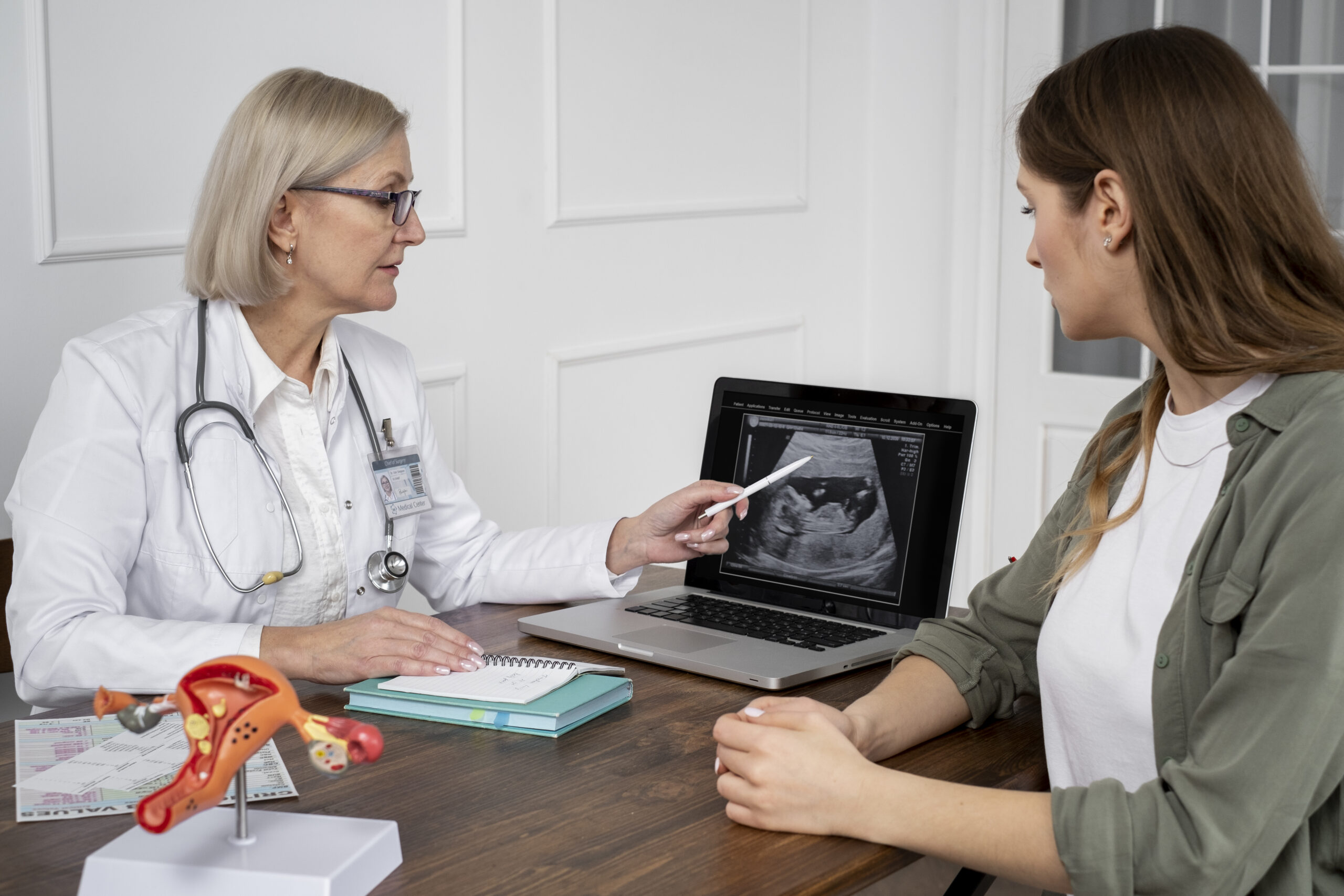
If you have symptomatic uterine fibroids, you may have been told that hysterectomy — surgical removal of the uterus — is your only definitive option. This is not accurate. Uterine fibroid embolization offers an effective, minimally invasive alternative that treats fibroids without removing the uterus, without general anesthesia, and with a significantly shorter recovery. Understanding how UFE and hysterectomy actually compare helps you make an informed decision.
Both UFE and hysterectomy can provide substantial relief from fibroid symptoms. The comparison between them is not simply about which one is “better” — it’s about which is more appropriate for your specific situation, your priorities, and your goals for treatment. A hysterectomy is definitively curative (there is no uterus remaining for fibroids to regrow in), while UFE preserves the uterus and may require treatment of new fibroids in the future. But the procedural experience, recovery, and implications are very different.
At Seamless Medical Centers, Dr. Zagum Bhatti, Board-Certified Interventional Radiologist, specializes in UFE and helps patients throughout Southeast Texas and the Houston area understand their complete range of options. Houston-area patients and Port Arthur patients are both served at our Port Arthur office.
The Fundamental Difference: Preserving vs. Removing the Uterus
Hysterectomy removes the uterus entirely. For women who are certain they do not want future pregnancies and want a permanent, definitively curative solution, hysterectomy achieves this. No uterus means no fibroids can regrow, no abnormal uterine bleeding, and no ongoing fibroid-related symptoms. The question is whether the trade-offs of major surgery are worth these outcomes for your specific situation.
UFE preserves the uterus by treating the fibroids within it. The fibroids shrink after embolization, symptoms improve, and the uterus remains. For women who want to preserve their uterus — whether for future fertility, personal preference, or body integrity — UFE provides meaningful symptom relief without the permanence of organ removal. It is worth noting that pregnancy after UFE is possible, though the data on outcomes is more limited than for myomectomy, and women planning future pregnancies should discuss this specifically with Dr. Bhatti.
Procedure and Anesthesia
Hysterectomy requires an operating room, general or spinal anesthesia, and either open abdominal surgery (with a significant incision) or laparoscopic/robotic surgery (with multiple smaller incisions). Each approach has its own recovery profile and risk considerations. Hospital stay ranges from one to three days depending on the surgical approach. Complications specific to hysterectomy include damage to surrounding structures (bladder, bowel, ureter), blood loss requiring transfusion, and adhesion formation.
UFE is performed in an interventional radiology suite using conscious sedation — not general anesthesia. The access point is a single small puncture in the wrist or groin. No abdominal incisions are made, and the procedure takes 45 to 90 minutes. Most patients go home the same day or after one overnight stay. There is no risk of adhesion formation, and the risks specific to UFE — primarily related to the catheter and embolization — are generally lower than surgical risks.
Recovery Time
Recovery from abdominal hysterectomy typically requires six to eight weeks before returning to normal activities, including work and exercise. Recovery from laparoscopic or robotic hysterectomy is somewhat shorter — typically three to four weeks — but still significantly longer than UFE. The abdominal muscles and pelvic floor require time to heal from surgical trauma even when incisions are small.
Recovery from UFE typically allows return to desk work within one to two weeks and return to full activities within two to four weeks. The acute post-embolization phase — cramping and fatigue in the first week — is the most intensive period. By week two, most patients are moving much more freely, and by week four most have returned to their full pre-procedure activity level.
Effectiveness and Long-Term Outcomes
Hysterectomy is definitively curative for fibroids. Once the uterus is removed, fibroid regrowth is impossible. Women who choose hysterectomy because they are certain they do not want future pregnancies and want a permanent end to fibroid symptoms achieve this reliably.

Are You a Candidate for UFE?
If you answer "yes" to any of these questions, you may be a candidate for this treatment.
Call Now — (409) 213-9575Your information is protected under HIPAA. We will never share your data.
UFE provides meaningful and lasting improvement in fibroid symptoms for many patients. The fibroids treated with UFE shrink and do not regrow, but the uterus remains capable of developing new fibroids over time. For some women, additional treatment may become necessary years later. Overall, most patients who undergo UFE report significant improvement in quality of life that is maintained over the medium and long term. Learn about the full UFE experience and what UFE recovery involves.
Making the Decision
The choice between UFE and hysterectomy is ultimately personal and depends on your priorities, your future fertility plans, your tolerance for different types of recovery, and the specifics of your fibroid situation. Women who want the definitive permanence of hysterectomy and are comfortable with surgical recovery should discuss that path with a gynecologist. Women who want a minimally invasive option that preserves the uterus and provides a faster recovery should discuss UFE. For many women, the right answer only becomes clear after having an honest conversation with both types of specialists. Contact Seamless Medical Centers to schedule a consultation with Dr. Bhatti.
Preserving the Uterus: Why It Matters to Many Women
The most fundamental difference between these two options is that UFE preserves the uterus while hysterectomy removes it, and that distinction means different things to different women. For some, it is about fertility: keeping the uterus keeps the possibility of pregnancy open, which matters greatly to women who are not finished having children or simply want to keep that door open. For many others, the significance is more personal – a sense that an organ that is healthy apart from the fibroids should not be removed if a less drastic option can address the symptoms. Some women also weigh the physical considerations that can accompany hysterectomy, including a longer recovery, the surgical risks of a major operation, and, when the ovaries are affected, hormonal changes. None of this means hysterectomy is the wrong choice – for many women it is exactly right – but it explains why the uterus-preserving nature of UFE is often the deciding factor for those who choose it. The key point is that this is a personal decision as much as a medical one. A good consultation makes space for what matters to you, not just the clinical particulars, and helps you weigh uterus preservation against the other factors in your situation rather than treating it as the only consideration, so that whatever you choose feels like a decision you arrived at rather than one made for you.
What Hysterectomy Offers That UFE Does Not
An honest comparison has to acknowledge what hysterectomy does well, because for some women it is the better choice. Its defining advantage is finality: once the uterus is removed, fibroids cannot return and menstrual bleeding ends completely. UFE, by contrast, treats the fibroids you have by cutting off their blood supply, and while results are durable for many women, new fibroids can theoretically develop over time, and a small number of women may need additional treatment later. For a woman who has finished having children, who wants the certainty that she will never deal with fibroids or heavy bleeding again, and who is prepared for a more involved recovery, hysterectomy delivers a definitiveness that UFE does not promise. Hysterectomy can also address certain other gynecologic conditions at the same time, which may be relevant if fibroids are not the only issue. The right way to use this comparison is not to crown a winner but to match the procedure to your priorities: if preserving the uterus and a quick recovery matter most, UFE is compelling; if absolute finality matters most and you are done with childbearing, hysterectomy has real appeal. It is also worth being clear that the decision runs in one direction: UFE leaves hysterectomy available later if fibroids recur or symptoms return, whereas hysterectomy is permanent and cannot be undone, so for women uncertain about future childbearing or who simply want to keep their options open, starting with the less irreversible choice has a logic of its own, and a specialist can help you think through that sequence rather than treating the first decision as the only one you will ever make. To understand the minimally invasive option more fully, see our overview of how UFE works and who it helps.
Schedule Your Consultation
If you’re ready to explore your options, contact Seamless Medical Centers to schedule a consultation with Dr. Bhatti. Phone: 409-213-9575. Address: 3300 Jimmy Johnson Blvd, Suite #130, Port Arthur, Texas 77642.
Medical Disclaimer
Individual results may vary. This information is for educational purposes only and should not replace professional medical advice. Treatment decisions should be made in consultation with qualified healthcare providers.
Published by Seamless Medical Centers | Clinical information reflects the expertise of Dr. Zagum Bhatti, MD, Board-Certified Interventional Radiologist, Founder of Seamless Medical Centers.
Why Choose Seamless Medical Centers?
- Minimally Invasive: Most procedures require only a small incision and are performed as outpatient services.
- Expert Care: Board-certified interventional radiologists with extensive training and experience.
- Faster Recovery: Less downtime compared to traditional surgery, getting you back to your life sooner.
- Advanced Technology: State-of-the-art imaging and treatment equipment for precise, effective care.
- Patient-Centered: Personalized treatment plans tailored to your unique needs and goals.