
VASCULAR
Peripheral Artery Disease (PAD)
Restore blood flow to your limbs and reduce leg pain with advanced, minimally invasive vascular treatments.


Improve Mobility With Peripheral Artery Disease (PAD) Treatment
Peripheral artery disease (PAD) occurs when plaque builds up in the arteries of the arms and legs, restricting blood flow and causing leg pain, cramping, non-healing wounds, and reduced mobility. Without proper treatment, PAD can progress and lead to serious, limb-threatening complications.
At Seamless Medical Centers in Port Arthur, TX, we offer advanced, minimally invasive treatments for peripheral artery disease designed to restore circulation, relieve symptoms, and help patients improve mobility – often without the need for major open surgery.
Symptoms Treated
Claudication
Pain, cramping, or discomfort in the legs that occurs during walking or exercise and improves with rest, caused by reduced blood flow.

Critical Limb Ischemia
Severe blockage in the arteries of the lower extremities that significantly reduces blood flow, causing pain at rest, non-healing wounds, or tissue loss.
Claudication
Pain, cramping, or discomfort in the legs that occurs during walking or exercise and improves with rest, caused by reduced blood flow.
Critical Limb Ischemia
Severe blockage in the arteries of the lower extremities that significantly reduces blood flow, causing pain at rest, non-healing wounds, or tissue loss.
Are You a Candidate for PAD Treatment?
If you answer "yes" to any of these questions, you may be a candidate for this treatment.
Call Now — (409) 213-9575Question 1 of 4
Have you been diagnosed with Peripheral Artery Disease (PAD) by a doctor?
Prefer to talk? Call (409) 213-9575
Your information is protected under HIPAA. We will never share your data.


Procedure Details
During your consultation, our specialists will:
Pre-Procedure Assessment
Endovascular Treatments
Post-Procedure Care
We'll answer all your questions and ensure you fully understand your options, even if that means we think you are better suited by procedures we don't offer.
Benefits and Risks
Typical Benefits
- •Significant improvement in walking distance and mobility
- •Reduction or elimination of leg pain
- •Avoidance of major surgery
- •Faster recovery compared to open surgical approaches
- •Potential to prevent serious complications like ulcers or amputation
Potential Risks
- •Temporary bruising or discomfort at access site
- •Rare risk of bleeding or infection
- •Rare risk of blood vessel injury requiring additional treatment
- •Possibility of restenosis (re-narrowing) of treated vessels over time
Recovery and Outlook
Recovery from PAD treatment is typically rapid, with most patients returning home the same day. Walking and light activity are encouraged soon after treatment to promote circulation.
Symptom improvement often begins shortly after the procedure and continues over several weeks. Studies show 80–90% of patients experience significant symptom relief following endovascular PAD treatment. Long-term success depends on disease severity, lifestyle changes, and proper medical management

Answers to Your
Common Questions
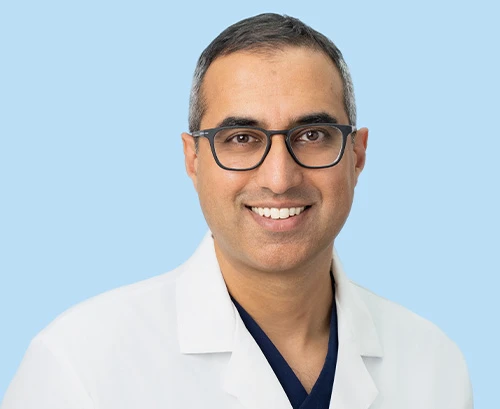
Your physician: Zagum Bhatti, M.D.
Board-Certified Interventional Radiologist · Former Assistant Professor of VIR, UTHealth Houston
Dr. Bhatti has published peer-reviewed research on vascular interventions.
Meet Dr. Bhatti →