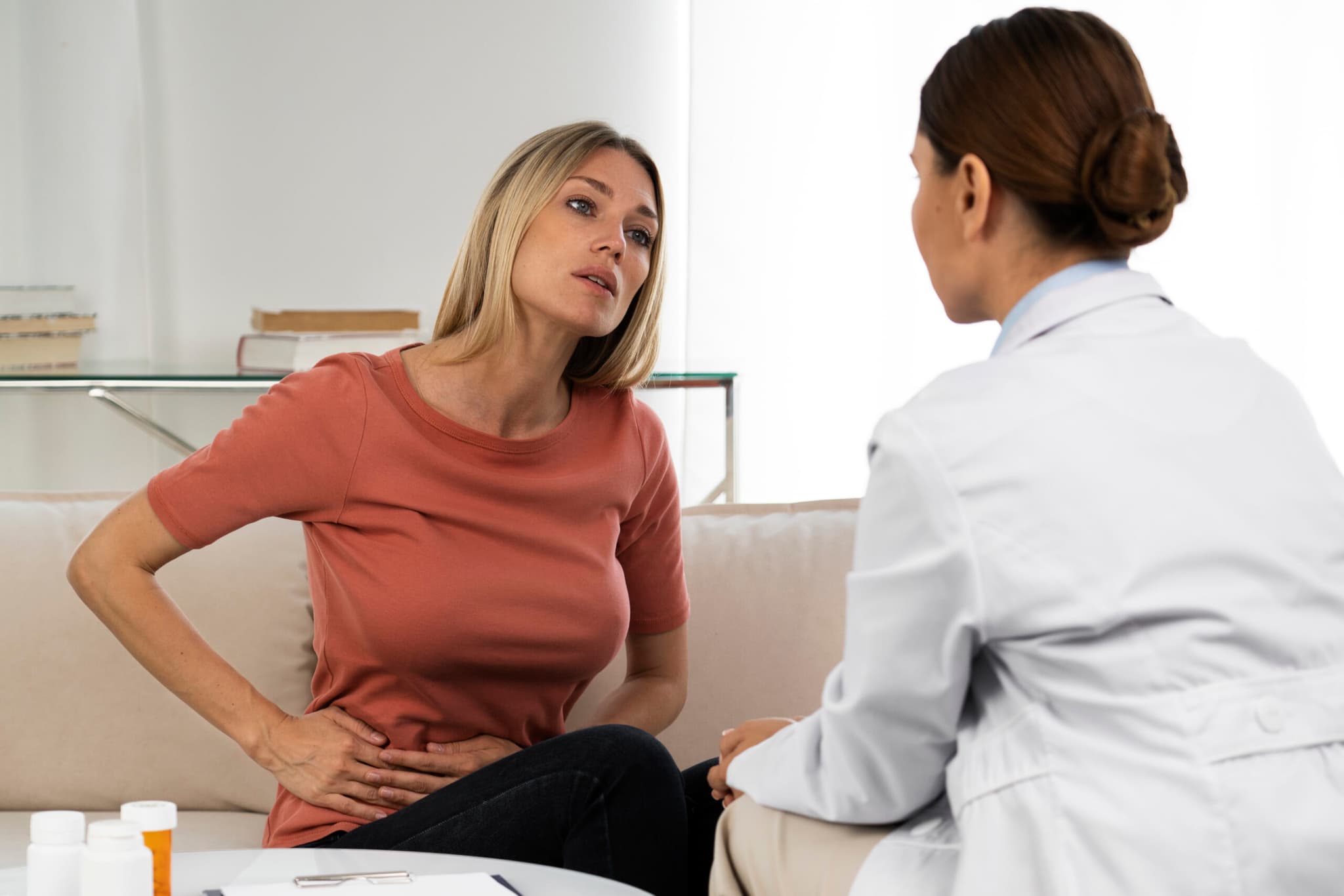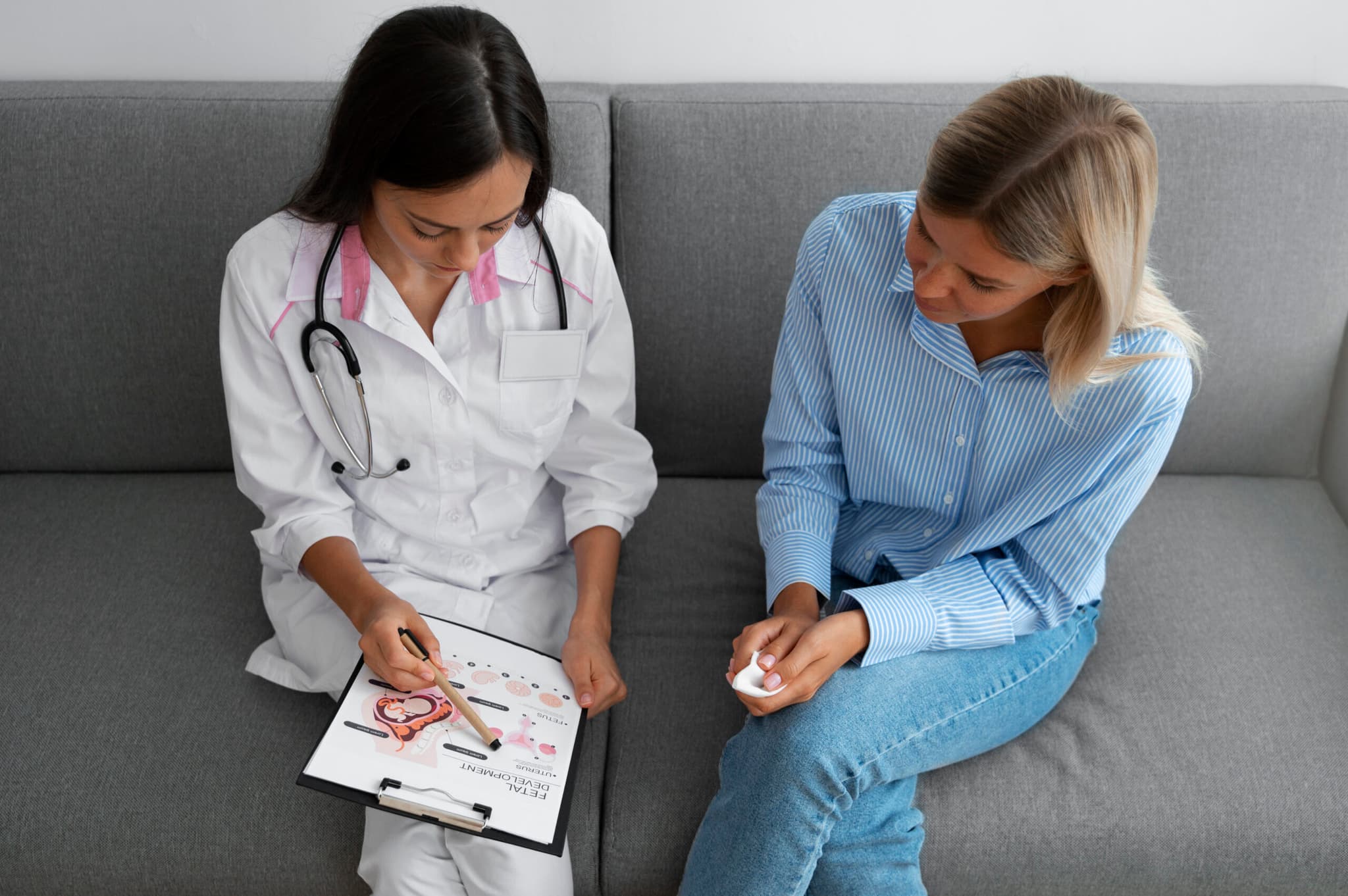
You’ve had painful periods before, but this is different. The cramping starts before your period even begins and continues for days after it ends. Over-the-counter medications that used to help don’t seem to touch it anymore. You’ve started dreading your period in a way you never did before, rearranging your schedule, canceling plans, and missing work during the worst days. Something has changed, and you can feel it.
Worsening menstrual cramps — particularly when they are getting progressively worse over time rather than staying consistent — can be a sign that something structural is driving the pain. Uterine fibroids are one of the most common causes of increasingly severe period pain in women of reproductive age. When fibroids grow in or near the uterine wall, they can interfere with normal uterine contractions and cause the kind of intensifying, hard-to-manage cramping that sends women to the emergency room.
At Seamless Medical Centers, Dr. Zagum Bhatti, Board-Certified Interventional Radiologist, helps Houston-area women from Katy, Sugar Land, The Woodlands, Pearland, League City, and Friendswood understand whether fibroids are the cause of their worsening period pain. Houston-area patients are seen at our Port Arthur office. Houston-area UFE service information. Menorrhagia treatment for Houston-area patients.
Understanding the connection between fibroids and menstrual pain — and knowing when your symptoms warrant evaluation rather than continued management with painkillers — is the first step toward finding relief.
How Fibroids Cause Worsening Period Cramps
Menstrual cramping is caused by the uterus contracting to shed its lining. In a uterus without fibroids, this process follows a predictable pattern. When fibroids are present — particularly intramural fibroids embedded in the uterine wall or submucosal fibroids that distort the uterine cavity — they disrupt the normal mechanics of uterine contractions. The uterus has to work harder to shed its lining, and the contractions become more intense and prolonged.
Fibroids also increase the surface area of the uterine lining that sheds during menstruation, which contributes both to heavier bleeding and to more significant cramping as the uterus contracts to expel the larger volume of tissue. The result is the combination many fibroid patients describe: periods that are both heavier than before and more painful, lasting longer and requiring more intervention to manage.
For women in Missouri City, Humble, Kingwood, Pasadena, and across Harris County and Fort Bend County who have noticed this progressive worsening pattern, evaluation for uterine fibroids is appropriate. Understanding what uterine fibroid embolization involves helps clarify what treatment options are available.
When Period Cramps Signal It’s Time for Evaluation
Period pain that responds adequately to over-the-counter medications and allows you to function normally during your period is less concerning than cramping that requires prescription-strength medication, causes missed work or activities regularly, or has been progressively worsening over months. If you are in the latter category, evaluation is warranted rather than continued pain management.
Additional symptoms that suggest fibroids as the cause include heavy menstrual bleeding (soaking through protection frequently, passing large clots), pelvic pressure or fullness outside of your period, urinary frequency or urgency, and back pain or leg pain during menstruation. Any of these alongside worsening cramps makes fibroid evaluation a reasonable next step.
How Fibroid Cramps Differ From Ordinary Period Pain
Many women have had uncomfortable periods for years, so it can be hard to know when cramping has crossed from ordinary to something worth investigating. Typical menstrual cramps come from the uterus contracting to shed its lining; they tend to peak in the first day or two of bleeding, respond reasonably well to over-the-counter pain relievers, and stay roughly consistent from cycle to cycle. Fibroid-related cramping often feels different. It is frequently more intense, can begin before bleeding starts and linger after it ends, and tends to respond poorly to the medications that used to work. Women often describe it less as the familiar wave-like cramp and more as a deep, dragging ache or pressure layered on top of sharper pains. Perhaps the most telling feature is the trajectory: ordinary cramps do not usually get progressively worse over months, whereas fibroid-related pain often does, tracking the growth of the fibroids themselves. If your periods have changed – becoming more painful, longer, or harder to manage than they used to be – that change from your own baseline is more meaningful than any absolute standard of what counts as bad. For women across Houston who have started dreading their periods in a way they did not before, that sense of escalation is exactly the signal worth paying attention to rather than dismissing as part of getting older.
Could It Be Endometriosis or Adenomyosis Instead?

Are You a Candidate for UFE?
If you answer "yes" to any of these questions, you may be a candidate for this treatment.
Call Now — (409) 213-9575Your information is protected under HIPAA. We will never share your data.
Fibroids are a common cause of worsening period pain, but they are not the only one, and two conditions in particular are worth understanding because they can mimic or accompany fibroids. Endometriosis occurs when tissue similar to the uterine lining grows outside the uterus; it causes cyclical pelvic pain that can be severe, sometimes with pain during intercourse or bowel movements, and it can exist alongside fibroids. Adenomyosis, in which endometrial-type tissue grows into the muscular wall of the uterus, classically produces both heavy bleeding and intense, deep cramping, and it is especially easy to confuse with fibroids because the symptoms overlap so closely. Distinguishing among these matters because the treatments differ. A pelvic ultrasound is the usual first step and can identify fibroids and suggest adenomyosis, while endometriosis often requires evaluation by a gynecologist, since it is not always visible on standard imaging. It is entirely possible to have more than one of these conditions at once, which is why a careful evaluation rather than an assumption is the right approach when cramps are worsening. Identifying exactly what is driving the pain is what allows treatment to be aimed accurately, and it spares you from pursuing a remedy for the wrong condition. The takeaway is not to self-diagnose from symptoms alone but to get imaging and, when warranted, a specialist’s assessment.
Managing Severe Cramps While You Seek Answers
While you arrange an evaluation, there are reasonable ways to manage severe cramping, with the understanding that these measures ease symptoms rather than treat any underlying fibroids. Over-the-counter anti-inflammatory medications taken as directed are often the most effective first step for menstrual pain, and starting them at the very onset of symptoms, or just before your period if your cycle is predictable, can work better than waiting until the pain is established. Heat helps many women – a heating pad or warm bath can relax the cramping uterus – and gentle activity, rest, and adequate hydration can take the edge off a difficult day. Tracking which measures help, and how much, is useful information to bring to your appointment. What is worth avoiding is an open-ended pattern of escalating pain medication month after month without an evaluation, especially if the cramps are steadily worsening, since that approach manages the symptom while leaving the cause unaddressed. If your pain consistently requires more than over-the-counter relief, causes you to miss work or activities, or has been getting worse over time, that is the signal that comfort measures have reached their limit and an evaluation is the more useful next step. Pain that is severe and sudden, particularly with fever, deserves prompt medical attention rather than home management.
When Worsening Cramps Warrant Evaluation
Pulling these threads together, the question is less about whether period pain is normal and more about whether yours is changing and disrupting your life. It is reasonable to seek evaluation if your cramps now require prescription-strength relief, cause you to miss work or cancel plans regularly, have been progressively worsening over several months, or are accompanied by other fibroid-suggestive symptoms. Those companion symptoms are an important clue: heavy menstrual bleeding with large clots, a sense of pelvic pressure or fullness between periods, increased urinary frequency, or back and leg pain during your period all raise the likelihood that fibroids are involved. When worsening cramps appear alongside any of these, evaluation becomes a sensible next step rather than continued management. Our related guides can help you recognize the broader pattern – how to gauge heavy periods and when to seek help, and how fibroids can cause pelvic pain and pressure. For women throughout Houston – in Missouri City, Humble, Kingwood, Pasadena, and across Harris and Fort Bend Counties – the goal is to move from simply enduring progressively worse periods to understanding what is causing them, so that the pain can be addressed at its source rather than masked indefinitely.
Frequently Asked Questions About Period Cramps and Fibroids
Can fibroids cause period cramps that feel different from normal menstrual cramps?
Yes. Fibroid-related cramping is often described as more severe, more prolonged, and less responsive to standard pain management than typical menstrual cramping. The pain may start before the period begins and continue after it ends, and may include a deep pelvic aching or pressure that differs from the wave-like cramping of a typical period.
How do I know if my cramps are from fibroids or something else like endometriosis?
Fibroids and endometriosis can both cause severe period cramps, and they can coexist. Diagnosis requires a pelvic ultrasound to evaluate for fibroids and, if endometriosis is suspected, evaluation by a gynecologist. The treatment approaches differ, so accurate diagnosis is important. Dr. Bhatti can review your imaging and discuss whether UFE is appropriate for your specific situation.
Can UFE help with period cramps specifically?
When fibroids are the cause of worsening menstrual cramping, many patients experience significant improvement in period pain after UFE as the fibroids shrink and the uterus is no longer working against fibroid-related mechanical interference. Individual results vary, and the degree of improvement depends on the size, number, and location of fibroids.
Where are Houston patients seen for UFE?
Houston-area patients are seen at the Seamless Medical Centers Port Arthur office, approximately 90 miles from central Houston. Visit the Houston UFE service page for scheduling information.
Schedule Your Consultation
Houston-area patients are seen at our Port Arthur office. Contact Seamless Medical Centers to schedule a consultation. Visit our Houston-area UFE service page for more information. Port Arthur and Southeast Texas patients: UFE service at our Port Arthur office. Phone: 409-213-9575. Address: 3300 Jimmy Johnson Blvd, Suite #130, Port Arthur, Texas 77642.
Medical Disclaimer
Individual results may vary. This information is for educational purposes only and should not replace professional medical advice. Treatment decisions should be made in consultation with qualified healthcare providers.
Published by Seamless Medical Centers | Clinical information reflects the expertise of Dr. Zagum Bhatti, MD, Board-Certified Interventional Radiologist, Founder of Seamless Medical Centers.
Why Choose Seamless Medical Centers?
- Minimally Invasive: Most procedures require only a small incision and are performed as outpatient services.
- Expert Care: Board-certified interventional radiologists with extensive training and experience.
- Faster Recovery: Less downtime compared to traditional surgery, getting you back to your life sooner.
- Advanced Technology: State-of-the-art imaging and treatment equipment for precise, effective care.
- Patient-Centered: Personalized treatment plans tailored to your unique needs and goals.