Published by Seamless Medical Centers | Clinical information reflects the expertise of Dr. Zagum Bhatti, MD, Board-Certified Interventional Radiologist, Founder of Seamless Medical Centers.
Soaking through a tampon or pad every hour. Changing protection in the middle of the night. Passing blood clots the size of quarters. Feeling exhausted all the time. If this describes your menstrual experience, you’re dealing with heavy periods—and you don’t have to accept this as normal.
For women throughout the Houston area—from Katy and Sugar Land to The Woodlands and Pearland—heavy menstrual bleeding often signals an underlying condition that can be treated. At Seamless Medical Centers, Dr. Zagum Bhatti provides treatment for heavy periods in Houston, helping patients across Harris County, Fort Bend County, and Montgomery County understand what’s causing their symptoms and find effective solutions.
What Defines Heavy Menstrual Bleeding?
Heavy menstrual bleeding—medically called menorrhagia—is generally defined, including in guidance from the Centers for Disease Control and Prevention, as losing more than 80 milliliters of blood during a period or having periods that last longer than seven days. Since measuring blood loss isn’t practical, healthcare providers use more straightforward indicators. Signs of heavy menstrual bleeding include situations where you soak through a pad or tampon every hour for several consecutive hours, pass blood clots larger than a quarter, need to double up on protection, wake up at night to change protection, or feel tired and weak from blood loss.
While some variation in flow is normal from cycle to cycle, consistently heavy bleeding that disrupts your daily activities or causes anemia is not something you should ignore. Many women throughout League City, Friendswood, and Missouri City delay seeking help because they assume heavy periods are just part of being a woman. This assumption prevents them from getting treatment that could significantly improve their quality of life.
Common Causes of Heavy Periods
Several conditions can cause heavy menstrual bleeding. Uterine fibroids—benign growths in or on the uterus—are one of the most common causes, particularly when fibroids grow into the uterine cavity or increase the surface area of the uterine lining. Hormonal imbalances that prevent normal shedding of the uterine lining can also lead to heavy flow. Adenomyosis, where uterine lining tissue grows into the muscular wall, often causes both heavy bleeding and severe cramping.
Polyps—small growths on the uterine lining—may contribute to heavy bleeding, as can certain intrauterine devices (IUDs). Blood clotting disorders, thyroid problems, and certain medications can also affect menstrual flow. For women in Cypress, Spring, or Humble experiencing heavy periods, identifying the underlying cause is the first step toward finding effective treatment.
If fibroids are causing your heavy bleeding, learn about uterine fibroid embolization as a treatment option that preserves the uterus while addressing the source of bleeding.
How Heavy Periods Affect Your Life
Heavy menstrual bleeding does more than create inconvenience. The constant worry about leaking through clothing affects your confidence at work, during social activities, and in daily interactions. Planning your schedule around your period—avoiding travel, missing events at the Houston Zoo or Discovery Green, turning down invitations—becomes exhausting. The fatigue and weakness from chronic blood loss make it difficult to maintain energy for your job, family responsibilities, and activities you enjoy.
Iron deficiency anemia develops when heavy bleeding depletes your body’s iron stores faster than they can be replaced. Symptoms include persistent fatigue, weakness, pale skin, shortness of breath with exertion, and difficulty concentrating. Many women throughout Pasadena, Kingwood, and Pearland find themselves too tired to exercise, struggle to keep up at work, or lack the energy to spend quality time with family—all because of untreated heavy periods.
The emotional toll matters too. Feeling trapped by your menstrual cycle, frustrated by ineffective treatments, or embarrassed by heavy bleeding in public situations takes a psychological toll that deserves recognition and appropriate care.
When to See a Specialist About Heavy Periods
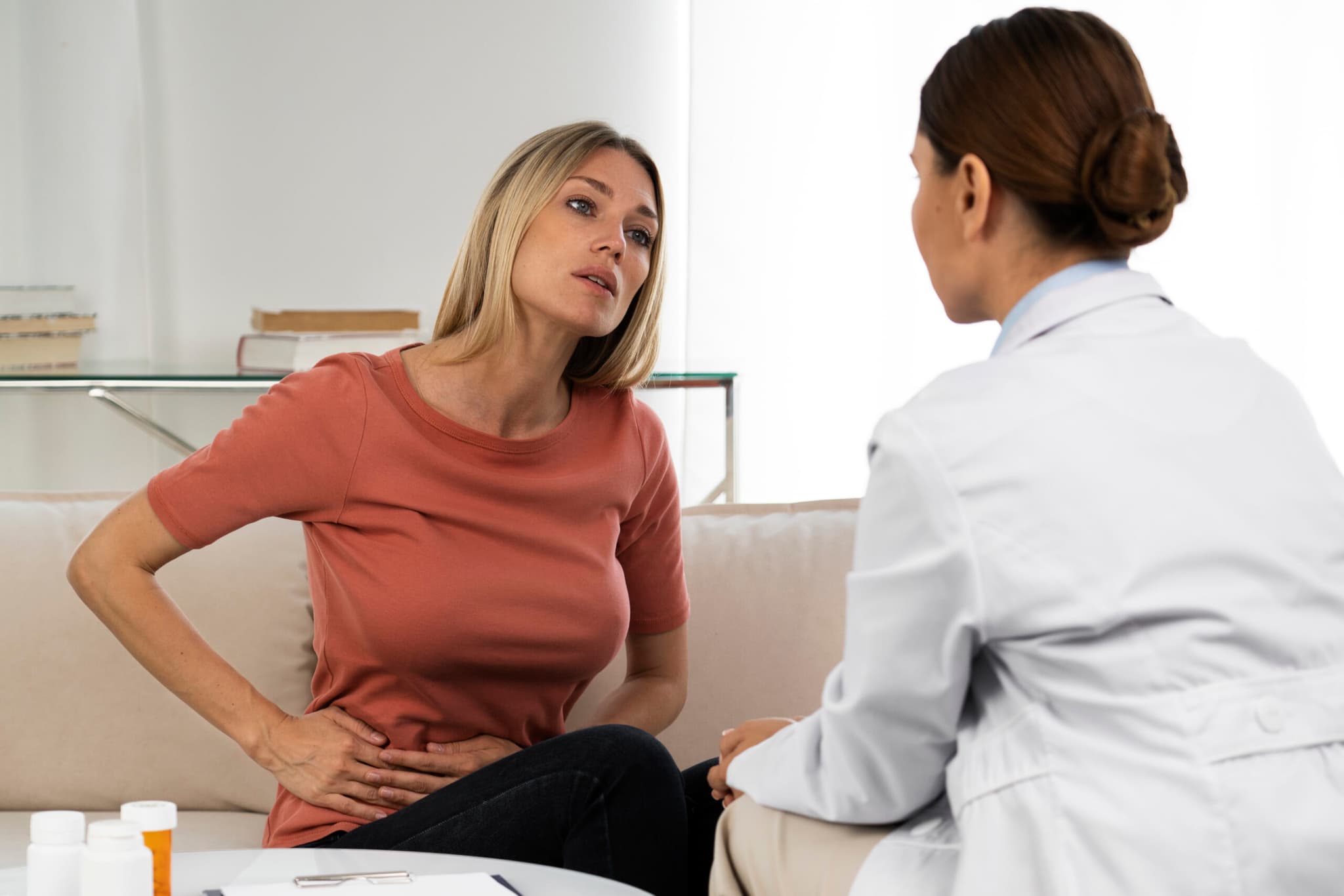
You should see a healthcare provider if your periods regularly last longer than seven days, you soak through protection every one to two hours, you pass large blood clots, bleeding interferes with your daily activities, or you experience symptoms of anemia like fatigue and weakness. These signs indicate that your bleeding exceeds normal parameters and warrants evaluation.
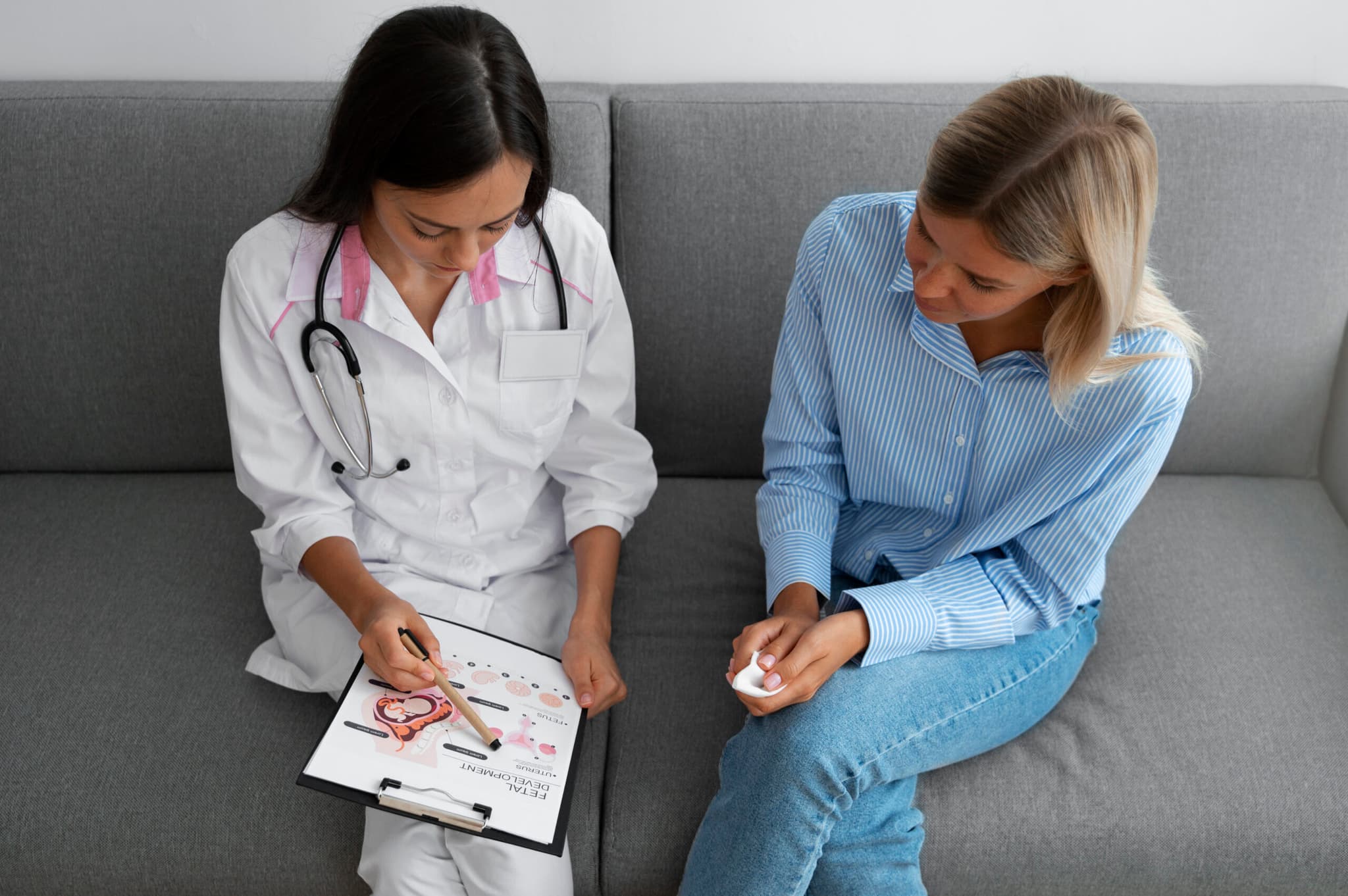
Initial evaluation typically includes a pelvic exam, blood tests to check for anemia and thyroid problems, and imaging studies like ultrasound to visualize your uterus and identify potential causes such as fibroids or polyps. Understanding what’s causing your heavy bleeding allows your physician to recommend appropriate treatment rather than simply trying to manage symptoms.
If you’ve been diagnosed with fibroids and conservative treatments haven’t adequately controlled your heavy bleeding, explore how UFE compares to hysterectomy for treating fibroid-related menorrhagia.
Treatment Options for Heavy Menstrual Bleeding
Treatment for heavy periods depends on the underlying cause, your desire for future pregnancy, and the severity of your symptoms. Hormonal medications like birth control pills or hormonal IUDs can reduce flow for some women. Iron supplements address anemia but don’t fix the underlying bleeding problem. For fibroid-related heavy bleeding, minimally invasive procedures like uterine fibroid embolization offer effective treatment without requiring hysterectomy.

Are You a Candidate for UFE?
If you answer "yes" to any of these questions, you may be a candidate for this treatment.
Call Now — (409) 213-9575Your information is protected under HIPAA. We will never share your data.
Uterine fibroid embolization blocks blood flow to fibroids, causing them to shrink and reducing heavy bleeding. The procedure is performed through a tiny puncture with no abdominal incisions, allowing most women to return to normal activities within a week. For Houston-area women seeking fibroid treatment that preserves the uterus, UFE in Houston provides an alternative to more invasive surgical options.
Understanding UFE recovery timelines helps you plan treatment around your work and family schedule.
Tracking Your Bleeding Before Your Appointment
One of the most useful things you can do before seeing a specialist is to track your bleeding for a cycle or two, because concrete details help your physician far more than a general sense that your periods are heavy. Note how often you change a pad or tampon and whether you are ever soaking through in an hour, how many days the heavy flow lasts, and the size of any clots – comparing them to a coin makes this easier to describe. Record the first and last days of bleeding so the length of your cycle is clear, and jot down any spotting between periods. It also helps to note how the bleeding affects you day to day: nights you wake to change protection, days you stayed home or changed plans, and whether you feel drained or light-headed. You do not need anything elaborate; a note on your phone or a period-tracking app works well. Bringing this record to your visit turns a vague complaint into a clear picture a physician can act on, and it often reveals patterns – steadily worsening flow, or bleeding that has crept past seven days – that are easy to miss when each month blurs into the next. If the exhaustion that so often accompanies heavy bleeding sounds familiar, our companion guide on heavy bleeding and anemia explains how ongoing blood loss affects your iron levels and energy.
Heavy Periods at Different Stages of Life
Heavy menstrual bleeding can show up at any point in a woman’s reproductive life, and the likely explanations shift with age. In your twenties and early thirties, heavy periods are often driven by hormonal patterns or by fibroids, which are common and frequently develop during these years. As women move through their late thirties and forties, fibroids and adenomyosis become more frequent contributors, and the hormonal fluctuations of perimenopause can make cycles heavier, longer, or less predictable than they used to be – sometimes after years of regular periods. Bleeding can also change after childbirth or after starting or stopping a contraceptive. What matters is less your age than a change from your own normal: a flow that has become noticeably heavier, periods that now last longer, or new clotting and spotting all deserve attention regardless of the decade you are in. For women throughout the Houston area – in Katy, Sugar Land, The Woodlands, Pearland, and across Harris and Fort Bend Counties – it is worth resisting the common assumption that worsening periods are simply an inevitable part of getting older. Whatever your stage of life, bleeding heavy enough to disrupt your days or wear down your energy can usually be explained and treated once its cause is identified, rather than something you have to wait out.
Frequently Asked Questions About Heavy Periods
Can fibroids cause heavy periods?
Yes, uterine fibroids are one of the most common causes of heavy menstrual bleeding. Fibroids increase the surface area of the uterine lining and interfere with normal uterine contractions, leading to heavier, longer periods with larger blood clots.
When should I see a doctor about heavy periods?
See a doctor if you regularly soak through a pad or tampon every hour, pass blood clots larger than a quarter, have periods lasting more than seven days, or experience fatigue and weakness from blood loss. These signs indicate abnormal bleeding that warrants evaluation.
Why are my periods so heavy?
Heavy periods can result from uterine fibroids, hormonal imbalances, adenomyosis, polyps, blood clotting disorders, or thyroid problems. Imaging studies and blood tests help identify the underlying cause so appropriate treatment can be recommended.
Can heavy periods cause anemia?
Yes, chronic heavy menstrual bleeding can lead to iron deficiency anemia. When you lose more blood than your body can replace, iron stores become depleted, causing fatigue, weakness, pale skin, and shortness of breath. Blood tests can confirm anemia.
What treatment options exist for heavy bleeding from fibroids?
Treatment options for fibroid-related heavy bleeding include hormonal medications, uterine fibroid embolization, myomectomy (fibroid removal), and hysterectomy. UFE offers a minimally invasive approach that preserves the uterus while effectively reducing bleeding for many women.
Is UFE appropriate if I want to become pregnant?
Uterine fibroid embolization is not automatically the first-line option for women planning future pregnancies. Each situation differs, and this is an important discussion to have at consultation.
Find Relief from Heavy Periods in Houston
If heavy menstrual bleeding is affecting your quality of life, contact Seamless Medical Centers to schedule a consultation with Dr. Bhatti. We serve patients throughout the Houston area and can help determine what’s causing your heavy periods and discuss treatment options that fit your goals.
Phone: 409-213-9575
Address: 3300 Jimmy Johnson Blvd, Suite #130, Port Arthur, Texas 77642
Medical Disclaimer
Individual results may vary. This information is for educational purposes only and should not replace professional medical advice. Treatment decisions should be made in consultation with qualified healthcare providers who can evaluate your specific symptoms.
Why Choose Seamless Medical Centers?
- Minimally Invasive: Most procedures require only a small incision and are performed as outpatient services.
- Expert Care: Board-certified interventional radiologists with extensive training and experience.
- Faster Recovery: Less downtime compared to traditional surgery, getting you back to your life sooner.
- Advanced Technology: State-of-the-art imaging and treatment equipment for precise, effective care.
- Patient-Centered: Personalized treatment plans tailored to your unique needs and goals.