If you live in Lake Charles, Sulphur, or anywhere across southwest Louisiana, you already know the routine that comes with needing specialist care: the referral points you toward Houston, Baton Rouge, or New Orleans, and suddenly a medical decision is also a logistics problem — hours on I-10, someone to drive you home, a day of work gone before the appointment even starts.
For fibroid treatment specifically, that calculation deserves updating. Uterus-preserving, non-surgical fibroid treatment is available in Port Arthur — just across the state line, closer to Lake Charles than Baton Rouge and far closer than New Orleans. For women across Calcasieu and Cameron parishes, the specialist option is nearer than the default referral routes suggest.
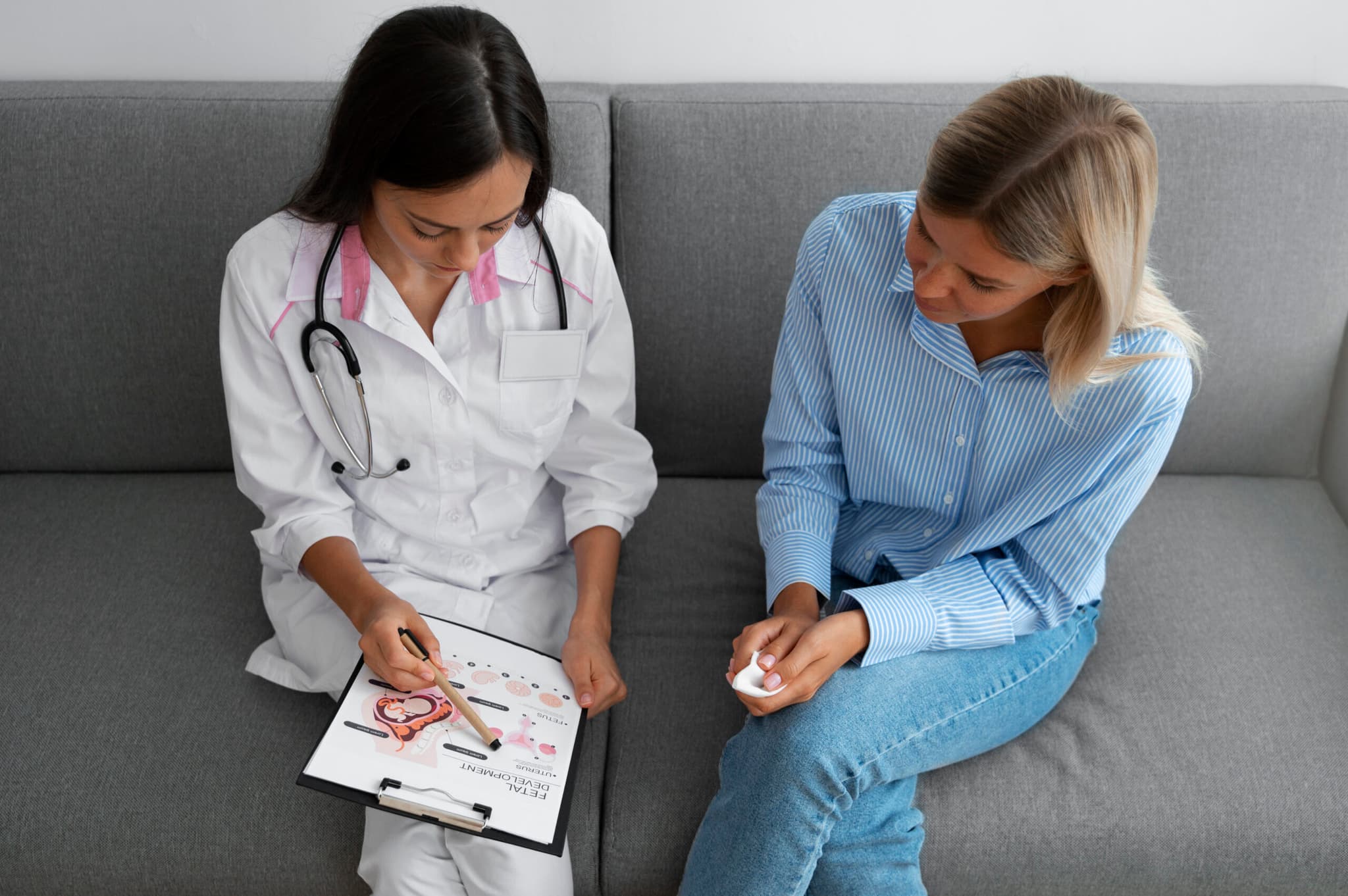
At Seamless Medical Centers in Port Arthur, Dr. Zagum Bhatti, Board-Certified Interventional Radiologist and Founder & Chief Medical Officer of Seamless Medical Centers, regularly treats women from Lake Charles, Sulphur, Vinton, Westlake, and the communities along the state line. This guide covers what uterus-preserving fibroid treatment involves, who it suits, and what accessing it from western Louisiana actually looks like.
When Fibroid Symptoms Stop Being Something You Manage
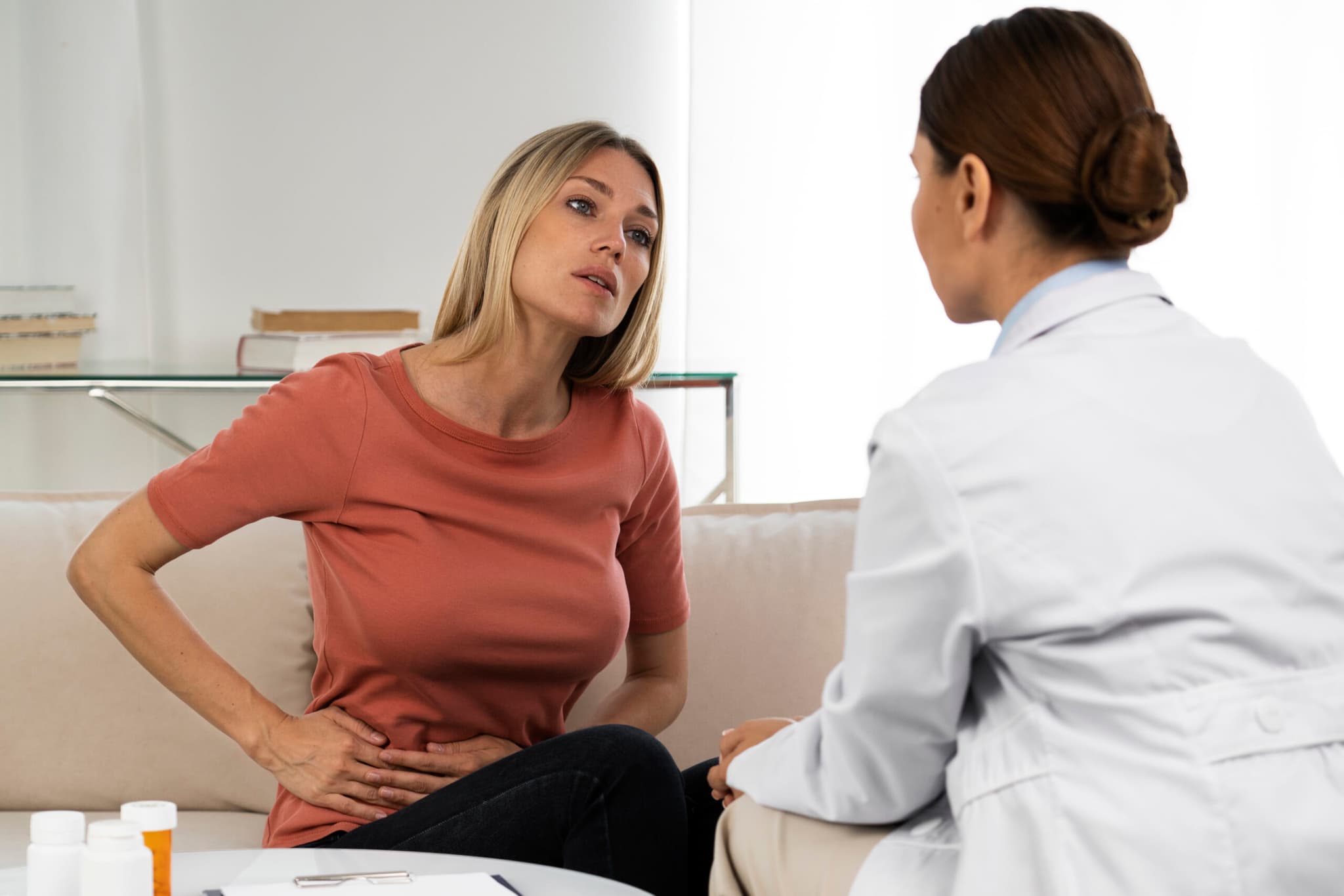
Most women who eventually seek treatment describe the same slow escalation. Periods that grew heavier over a few years until the first two days required planning. Clots that got larger. A pressure low in the pelvis that stopped going away. Iron tablets from a doctor who never quite explained why the iron kept dropping. No single month alarming on its own — all of it adding up.
The markers that separate a heavy period from one worth evaluating are concrete: soaking through a pad or tampon every hour for several consecutive hours, clots larger than a quarter, bleeding past seven days, and fatigue that has crept into ordinary life. Our guide to heavy menstrual bleeding sets out the full picture, and our guide to bleeding-related anemia explains why persistent tiredness alongside heavy periods deserves blood work — including ferritin — rather than reassurance.
Timing matters more than most women are told. Heavy bleeding that has been depleting your iron for two years does not undo itself when the bleeding is finally treated — the iron still has to be rebuilt, and the fatigue lifts on iron’s timeline rather than the procedure’s. The earlier the cause is identified, the less there is to recover from. Women who waited years consistently say the same thing afterward: not that the treatment was difficult, but that they wish someone had connected the symptoms sooner.
Pressure symptoms count just as much, though they are reported less. A firmness or fullness low in the abdomen, needing the bathroom constantly, clothes fitting differently at the waist. Women from Moss Bluff to DeQuincy tell the same story: each symptom was addressed separately for years before anyone connected them and imaged the pelvis. If several of these apply to you at once, the combination is the signal.
What Uterus-Preserving Treatment Means
For decades the default endpoint for problem fibroids was hysterectomy, and in much of southwest Louisiana it often still is what gets offered first. Hysterectomy resolves fibroid symptoms definitively and is a legitimate choice for some women. What it should never be is the only option presented, because for many women the uterus can be kept and the symptoms still treated. Our uterine fibroids condition overview covers the full treatment landscape.
The uterus-preserving options split into surgical and non-surgical. Myomectomy removes fibroids surgically while leaving the uterus — typically the preferred route where future pregnancy is planned. Uterine fibroid embolization takes the non-surgical path: no incision, no general anesthesia, and no hospital stay, which matters practically when home is an hour away in Sulphur or Iowa.
Our guide to non-surgical fibroid treatment options compares the full non-surgical tier. The honest summary: medication can control bleeding but does not shrink fibroids or relieve pressure, while embolization reduces the fibroids themselves — which is why it addresses both problems at once.
What Uterine Fibroid Embolization Involves
The procedure is performed by an interventional radiologist through a puncture the size of a pinhole, usually in the wrist. A thin catheter is guided under imaging to the arteries feeding the fibroids, and tiny particles are released to block that supply. Cut off from blood flow, the fibroids shrink over the months that follow. The uterus itself, supplied separately, is preserved.
Because the mechanism is volume reduction, the benefits arrive on volume’s timeline: bleeding often improves within the first cycles, while pressure symptoms ease gradually as the fibroids shrink. For appropriate candidates, many patients experience meaningful improvement in both. Individual results may vary, and the degree depends on fibroid size, number, and position. Our overview of how UFE works and who it helps covers candidacy in full.
Recovery is measured in days rather than weeks for most women — with a predictable period of significant cramping in the first day or two that deserves to be planned for rather than discovered. Our guide to UFE recovery walks the timeline honestly, including the parts other descriptions compress.
The Practical Reality From Western Louisiana
What the appointment itself involves is worth knowing before you drive over. The consultation reviews your symptoms, your history, and your imaging together — which is why bringing the actual images matters — and it should end with a clear account of which options fit your specific fibroids, not a generic menu. If embolization is appropriate, an MRI is often the next step, because it maps the arterial supply the procedure will use and confirms the fibroid positions in the detail that planning requires. None of this commits you to anything; evaluation and decision are separate steps, and they should feel separate.
From Lake Charles, Port Arthur is roughly an hour west on I-10 — closer than Baton Rouge, less than half the distance to New Orleans, and without the traffic that turns Houston’s medical center into a full-day undertaking. From Sulphur, Vinton, or Starks, it is closer still. Consultation and imaging review, the procedure itself, and follow-up all happen at the Port Arthur office, and the same-day nature of the procedure means one trip per stage rather than a hospital admission.

Are You a Candidate for UFE?
If you answer "yes" to any of these questions, you may be a candidate for this treatment.
Call Now — (409) 213-9575Your information is protected under HIPAA. We will never share your data.
For women coming from the smaller communities — Hackberry, Carlyss, or out toward Cameron — the practical picture is the same, simply with a few more minutes on the road. The point is not that the drive is trivial; it is that it is a single manageable trip per stage, which is a different proposition from the repeated long-distance appointments a Houston or New Orleans referral tends to become.
Bring any imaging you already have — an ultrasound report from a Lake Charles provider travels perfectly well, and reviewing the actual images often avoids a repeat scan. Most major plans accepted, including Medicare/Medicaid — we verify before your visit, which resolves the cross-state insurance question most Louisiana women reasonably ask before anything else.
The distance question deserves honest handling in the other direction too, because the procedure day has real logistics. You will need someone to drive you home, and the first night belongs to recovery — cramping is expected and often significant as the fibroids begin responding, and it is far easier to manage on a couch in Lake Charles with your medication already collected than discovered unprepared. Plan the first two days as genuine rest, whatever the drive home looked like. Women who treat the short recovery as short but real consistently do better than those who heard “non-surgical” and planned to work the next morning.
It is worth saying plainly what this is not: a sales case against your local providers. Your Lake Charles gynecologist remains central to your care, and evaluation may well conclude that monitoring, medication, or surgery closer to home fits you better. What crossing the state line adds is an option — the non-surgical, uterus-preserving one — that is otherwise a Houston-or-farther proposition.
Who UFE Suits, and Who It Suits Less Well
Embolization suits women with symptomatic fibroids — heavy bleeding, pressure, or both — who want to avoid surgery and keep their uterus, including women with multiple fibroids, which it treats collectively. It is generally not recommended as a first-line option for women planning future pregnancy; myomectomy is typically preferred there. Certain fibroid positions also favour other approaches, which is a question your imaging answers. Our guide to how fibroids are diagnosed covers the evaluation that settles it.
Age shapes the conversation as well, in both directions. Women in their late forties are sometimes advised to wait for menopause, when fibroids commonly become less active — advice that is not unreasonable in principle but carries a real cost if menopause is years away and the bleeding is depleting you now. Younger women, meanwhile, are the group for whom the fertility question matters most and should be raised first, and for whom the possibility of embolization affecting ovarian function — uncommon, but real — belongs explicitly in the consultation. Neither situation has a default answer; both have a right process, which is an evaluation that weighs what the symptoms are costing you against what each option asks.
And where fibroids are found but do not convincingly explain your symptoms, the right next step is more evaluation rather than a procedure. That honesty is the standard any consultation should meet, whichever side of the state line it happens on.
Frequently Asked Questions From Western Louisiana Patients
Is fibroid embolization available near Lake Charles?
The nearest location offering uterine fibroid embolization is Seamless Medical Centers in Port Arthur, Texas — roughly an hour from Lake Charles on I-10, closer than Baton Rouge and far closer than New Orleans. Consultation, procedure, and follow-up all happen at the Port Arthur office.
Will my Louisiana insurance work across the state line?
Most major plans are accepted, including Medicare and Medicaid, and coverage is verified before your visit so the answer is settled in advance rather than discovered afterward.
Do I need a referral from my Lake Charles doctor?
You can contact the practice directly to arrange a consultation. Any imaging or records from your Louisiana providers are worth bringing, and your existing gynecologist remains part of your ongoing care.
How many trips will treatment involve?
Typically one for consultation and imaging review, one for the procedure itself — performed as a same-day procedure with recovery at home — and follow-up as advised. Someone should drive you home on the procedure day.
Can fibroids be treated without a hysterectomy?
Frequently, yes. Uterine fibroid embolization treats fibroids while preserving the uterus, and myomectomy removes them surgically while doing the same. If hysterectomy has been presented as your only option, a second opinion from someone who performs the alternatives is reasonable.
Is UFE appropriate if I want to become pregnant?
Uterine fibroid embolization is generally not recommended as a first-line option for women planning future pregnancy; myomectomy is typically preferred in that situation. Raise your fertility plans at consultation so the recommendation reflects them.
Talk to a Specialist About Your Symptoms
If you are in western Louisiana and want a uterus-preserving answer to fibroid symptoms, Contact Seamless Medical Centers to discuss your options. An evaluation establishes what is driving your symptoms and what can reasonably be done about it.
Phone: 409-213-9575
Address: 3300 Jimmy Johnson Blvd, Suite #130, Port Arthur, Texas 77642
Medical Disclaimer
Individual results may vary. This information is for educational purposes only and should not replace professional medical advice. Treatment decisions should be made in consultation with qualified healthcare providers.
Published by Seamless Medical Centers | Clinical information reflects the expertise of Dr. Zagum Bhatti, MD, Board-Certified Interventional Radiologist, Founder of Seamless Medical Centers.
Why Choose Seamless Medical Centers?
- Minimally Invasive: Most procedures require only a small incision and are performed as outpatient services.
- Expert Care: Board-certified interventional radiologists with extensive training and experience.
- Faster Recovery: Less downtime compared to traditional surgery, getting you back to your life sooner.
- Advanced Technology: State-of-the-art imaging and treatment equipment for precise, effective care.
- Patient-Centered: Personalized treatment plans tailored to your unique needs and goals.
Published by Seamless Medical Centers
Clinical information on this site is based on the expertise of Zagum Bhatti, M.D. — Board Certified in Interventional Radiology/Diagnostic Radiology (American Board of Radiology), dual-fellowship-trained (Neuroradiology; Vascular & Interventional Radiology, Rush University Medical Center), former Assistant Professor of VIR at UTHealth Houston, and Founder & Chief Medical Officer of Seamless Medical Centers.
Why Choose Seamless Medical Centers?
- Minimally Invasive: Most procedures require only a small incision and are performed as outpatient services.
- Expert Care: Board-certified interventional radiologists with extensive training and experience.
- Faster Recovery: Less downtime compared to traditional surgery, getting you back to your life sooner.
- Advanced Technology: State-of-the-art imaging and treatment equipment for precise, effective care.
- Patient-Centered: Personalized treatment plans tailored to your unique needs and goals.