Published by Seamless Medical Centers | Clinical information reflects the expertise of Dr. Zagum Bhatti, MD, Board-Certified Interventional Radiologist, Founder of Seamless Medical Centers.
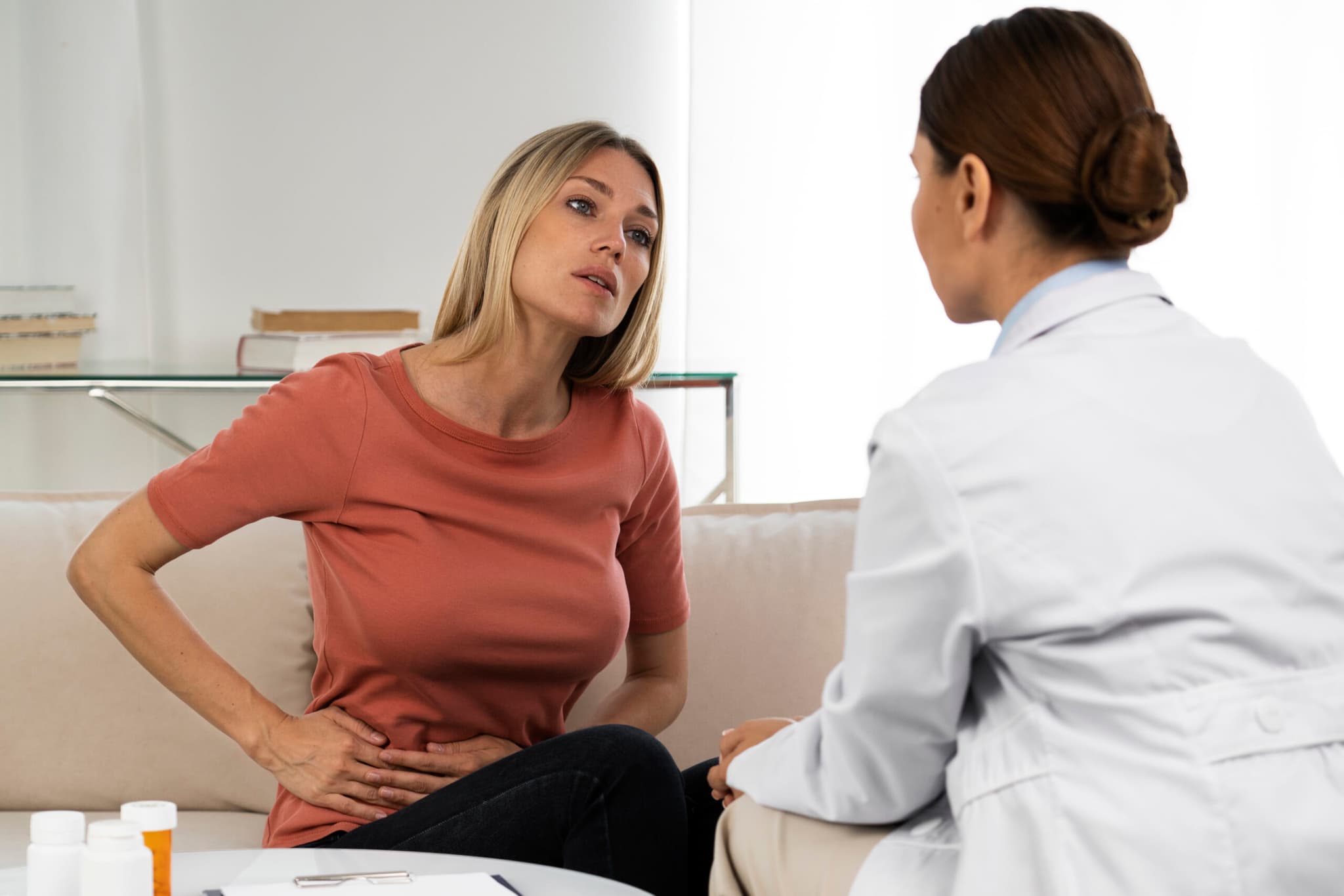
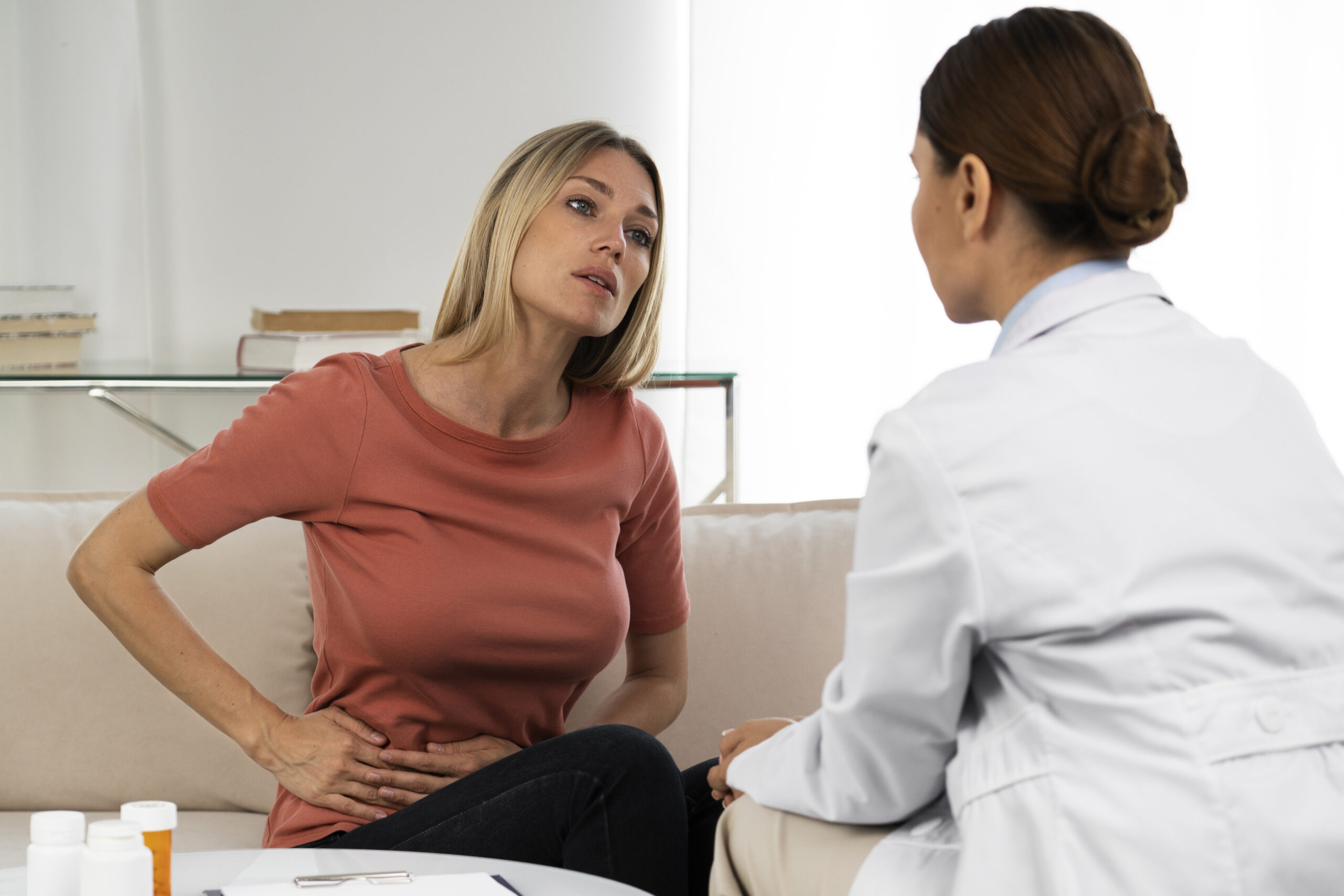
A constant feeling of pressure in your pelvis. Aching that worsens as the day goes on. Discomfort during intercourse. Pain when your bladder fills. If fibroids are causing pelvic pain and pressure that disrupts your daily life, you don’t have to accept it as normal.
For women throughout the Houston area—from Sugar Land and Katy to The Woodlands and Pearland—pelvic pain from fibroids often goes untreated for years. At Seamless Medical Centers, Dr. Zagum Bhatti provides treatment for fibroid-related pelvic pain in Houston, helping patients across Harris County and Fort Bend County find relief through minimally invasive approaches.
How Fibroids Cause Pelvic Pain and Pressure
Uterine fibroids cause pelvic pain through several mechanisms. Large fibroids create a sense of pelvic fullness and pressure simply by taking up space in your pelvis. When fibroids press against your bladder, you may experience frequent urination, urgency, or difficulty emptying your bladder completely. Fibroids pressing on your rectum can cause constipation or a sensation of rectal fullness. When they press on nerves, you may experience pain that radiates to your lower back or down your legs.
Submucosal fibroids—those that grow into the uterine cavity—often cause severe cramping as your uterus tries to expel them. Intramural fibroids embedded in the uterine wall can cause the uterus to enlarge significantly, creating constant pelvic pressure and a visibly distended lower abdomen. Pedunculated fibroids attached by a stalk can twist, causing sudden severe pain that requires urgent evaluation.
Some fibroids undergo degeneration when they outgrow their blood supply, causing acute pain that can last several days. This pain is often sharp and localized, accompanied by fever and tenderness. While the pain eventually subsides as the fibroid tissue dies and shrinks, the episode can be frightening and debilitating.
Recognizing Fibroid-Related Pelvic Pain Patterns
Pelvic pain from fibroids often has characteristic patterns that distinguish it from other causes. The pressure may worsen when you stand for long periods or at the end of the day, improving somewhat when you lie down and allow gravity to reduce the pressure on pelvic structures. Pain during intercourse—particularly with deep penetration—can signal fibroids pressing on sensitive areas.
Many women throughout Cypress, Spring, and Humble notice that their pelvic pain correlates with their menstrual cycle. Pain may intensify just before and during menstruation when hormones cause fibroids to swell slightly. Some women experience constant background pressure punctuated by episodes of sharper cramping pain, while others have continuous dull aching that never fully resolves.
The impact on daily activities helps gauge severity. If pelvic pain prevents you from exercising, standing for your job, sitting comfortably during your commute, or enjoying activities with family, it warrants treatment regardless of fibroid size. Quality of life matters as much as objective measurements.
When Pelvic Pressure Signals a Problem
A feeling of pelvic fullness or heaviness that persists most of the time indicates significant fibroid growth. When you can feel a firm mass in your lower abdomen, when your pants fit tighter around your midsection despite no weight gain, or when you look several months pregnant, fibroids have likely grown large enough to warrant evaluation.
Pressure symptoms that interfere with bladder or bowel function deserve attention. Needing to urinate every hour, waking multiple times at night to use the bathroom, experiencing urinary urgency, or developing new-onset constipation can all result from fibroids compressing adjacent organs. These symptoms affect your ability to work, travel, sleep, and participate in normal activities.
If you’re experiencing pelvic pressure along with heavy periods, learn how UFE compares to myomectomy for treating multiple fibroid symptoms while preserving your uterus.
Treatment Options for Fibroid-Related Pelvic Pain
Pain medications and hormonal treatments may reduce fibroid-related discomfort temporarily but do not address the underlying fibroids. As fibroids continue growing, symptoms typically worsen over time. For meaningful long-term relief, treatment must target the fibroids themselves.
Uterine fibroid embolization blocks blood flow to fibroids, causing them to shrink and reducing both pain and pressure. The procedure is performed through a tiny puncture in your wrist or groin with no abdominal incisions. Most women return to normal activities within a week. For Houston-area women seeking fibroid treatment that preserves the uterus, UFE in Houston provides an alternative to hysterectomy or myomectomy.
Understanding what to expect during UFE recovery helps you plan treatment around your work and family schedule.
The Bulk Symptoms: When Fibroids Take Up Space

Are You a Candidate for UFE?
If you answer "yes" to any of these questions, you may be a candidate for this treatment.
Call Now — (409) 213-9575Your information is protected under HIPAA. We will never share your data.
Beyond pain, one of the most distinctive ways fibroids affect women is through what physicians call bulk symptoms – the consequences of fibroids simply occupying space and enlarging the uterus. As fibroids grow, the uterus can expand to the point where it presses outward and creates a visibly distended lower abdomen; many women describe looking several months pregnant, finding that their waistbands no longer fit despite no change in weight or diet, or feeling bloated and full much of the time. This enlargement can also produce a heavy, dragging sensation low in the pelvis, as though something is weighing you down, which tends to be most noticeable after standing for long stretches and to ease somewhat when you lie down. Some women can feel a firm mass low in the abdomen when they press there. These bulk symptoms are mechanical rather than hormonal – they reflect the physical size and position of the fibroids – which is why they generally do not improve with pain relievers or hormonal medication and instead persist or worsen as the fibroids grow. For women across Houston, from Sugar Land and Katy to The Woodlands and Pearland, the gradual nature of this enlargement means the changes are often dismissed as weight gain or normal aging until the pressure becomes hard to ignore. Recognizing bulk and pressure as fibroid symptoms in their own right, distinct from bleeding or pain, is what reframes them as something treatable.
Pressure on the Bladder and Bowel
Because the uterus sits between the bladder in front and the rectum behind, an enlarged, fibroid-filled uterus often presses on these neighboring organs, and the resulting symptoms are among the most disruptive that fibroids cause. Pressure on the bladder can reduce how much it comfortably holds, producing a need to urinate more often, a sense of urgency, waking at night to go, or a feeling that you cannot fully empty. Pressure on the rectum can lead to constipation, straining, or a sensation of fullness or incomplete emptying after a bowel movement. These symptoms are easy to misattribute – the urinary ones are frequently mistaken for a bladder problem or recurrent infection, and the bowel ones for a digestive issue – when the underlying driver is the fibroid mass pressing from within the pelvis. If urinary symptoms are your most prominent complaint, our detailed guide on fibroid-related urinary symptoms explains the bladder connection more fully. The practical point is that when frequent urination, urgency, or new constipation appear alongside pelvic pressure and the bulk symptoms described above, the bladder and bowel are usually not the primary problem – they are responding to pressure from an enlarged uterus, and treatment aimed at reducing fibroid size is what addresses the cause rather than just the symptom.
When Pressure and Pain Point in Different Directions
Fibroids can cause pressure, pain, or both, and distinguishing which you are experiencing helps clarify what is going on and what to discuss at an evaluation. Pressure and bulk symptoms – fullness, heaviness, abdominal enlargement, and the bladder or bowel effects just described – come from the physical size and position of the fibroids. Pain, by contrast, can arise from different mechanisms, including the intense cramping of submucosal fibroids or the acute, sharp pain of a fibroid that outgrows its blood supply and degenerates. Many women have a mix: a constant background pressure punctuated by episodes of sharper pain, often intensifying around their period. If pain rather than pressure is your dominant symptom, our companion guide on fibroid pain and when to seek treatment addresses pain specifically, and if worsening menstrual cramps are the main issue, our guide on period cramps and fibroids goes deeper there. What unites pressure and pain is that both, when significant enough to disrupt your daily life, are valid reasons to seek evaluation regardless of how large the fibroids are. Describing your symptoms accurately – whether the problem is mainly weight and pressure, mainly pain, or a combination – gives your physician a clearer starting point for identifying the cause and matching treatment to it.
Frequently Asked Questions About Pelvic Pain from Fibroids
Can fibroids cause constant pelvic pressure?
Yes, large fibroids can cause constant pelvic fullness and pressure by physically taking up space in your pelvis and pressing on surrounding organs. This pressure often worsens when standing and improves when lying down.
Why does fibroid pain get worse during my period?
Hormonal changes during menstruation can cause fibroids to swell slightly, increasing pressure and pain. Submucosal fibroids in the uterine cavity also cause severe cramping as your uterus contracts during menstruation.
Can fibroids cause pain during intercourse?
Yes, fibroids can cause pain during intercourse, particularly with deep penetration. Large fibroids pressing on sensitive pelvic structures or fibroids located near the cervix commonly cause this symptom.
Do fibroids cause lower back pain?
Large fibroids can press on nerves and cause lower back pain that may radiate down the legs. Fibroids located on the back wall of the uterus are particularly likely to cause back pain and pressure.
Will pelvic pain from fibroids go away without treatment?
Fibroid-related pelvic pain typically worsens over time as fibroids continue growing. While fibroids may shrink after menopause, relying on this can mean years of pain and diminished quality of life. Treatment addresses symptoms now rather than waiting.
Find Relief from Pelvic Pain in Houston
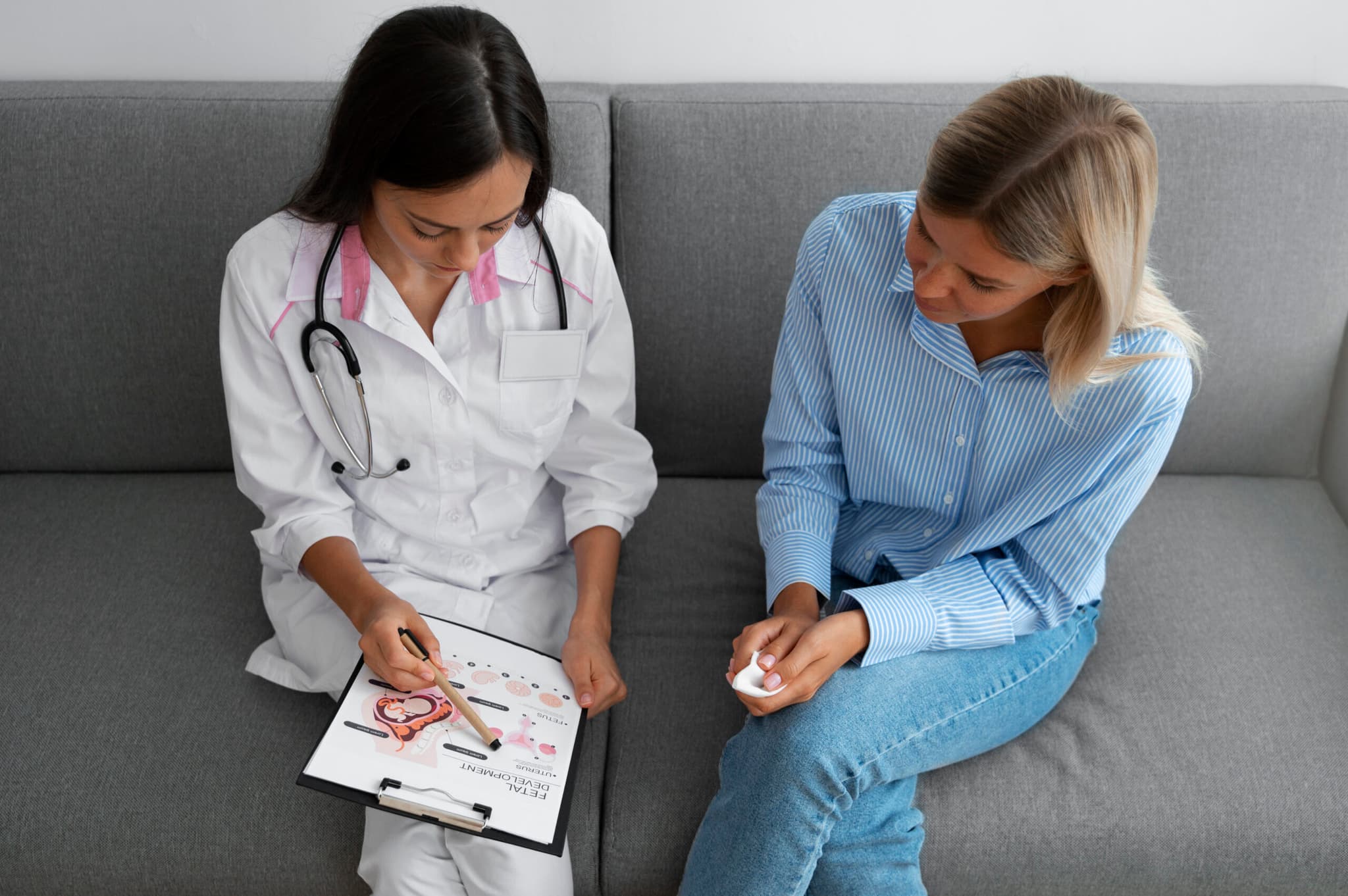
If pelvic pain and pressure from fibroids are affecting your quality of life, contact Seamless Medical Centers to schedule a consultation with Dr. Bhatti. We serve patients throughout the Houston area and can help determine whether UFE is appropriate for your situation.
Phone: 409-213-9575
Address: 3300 Jimmy Johnson Blvd, Suite #130, Port Arthur, Texas 77642
Medical Disclaimer
Individual results may vary. This information is for educational purposes only and should not replace professional medical advice. Treatment decisions should be made in consultation with qualified healthcare providers.
Why Choose Seamless Medical Centers?
- Minimally Invasive: Most procedures require only a small incision and are performed as outpatient services.
- Expert Care: Board-certified interventional radiologists with extensive training and experience.
- Faster Recovery: Less downtime compared to traditional surgery, getting you back to your life sooner.
- Advanced Technology: State-of-the-art imaging and treatment equipment for precise, effective care.
- Patient-Centered: Personalized treatment plans tailored to your unique needs and goals.