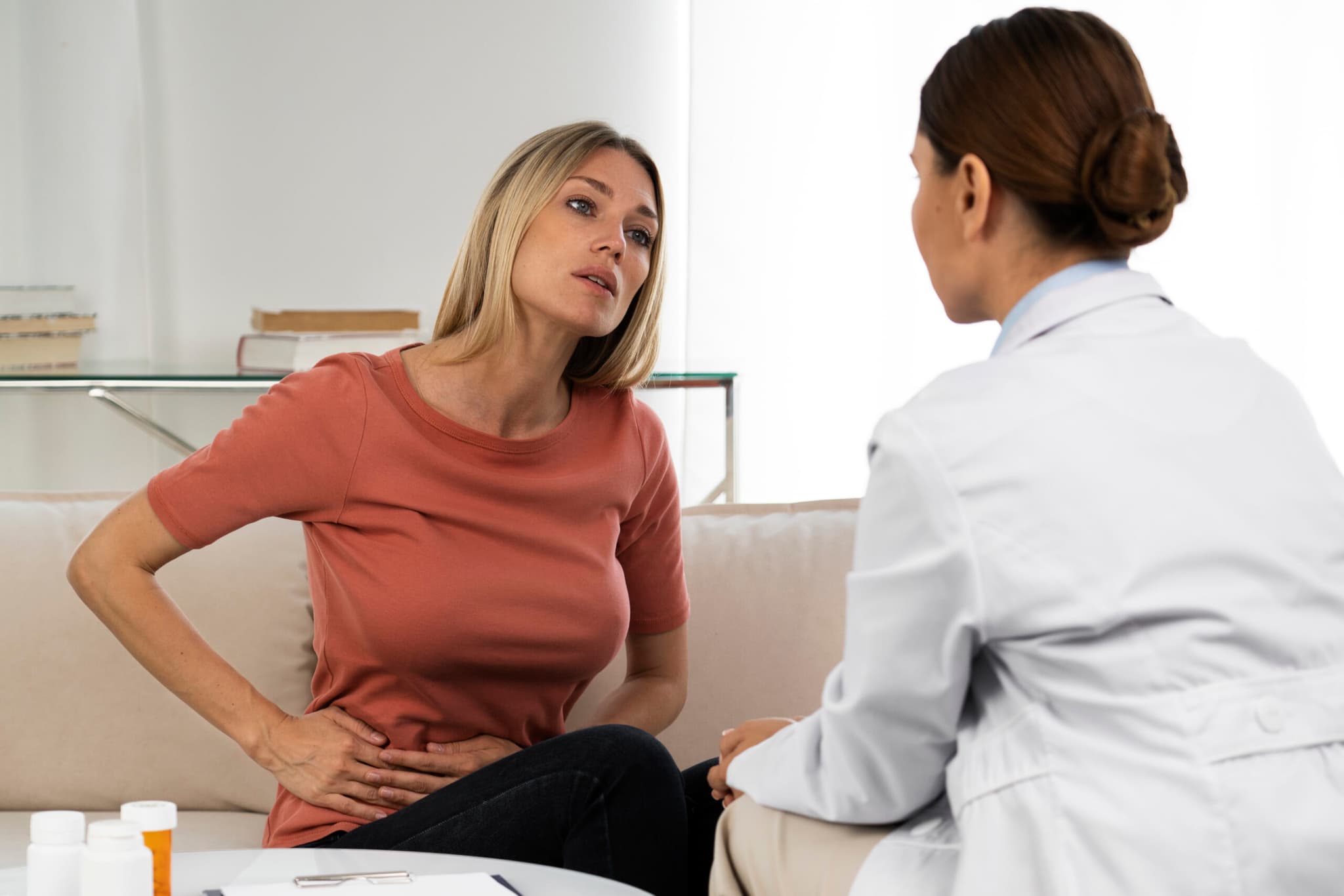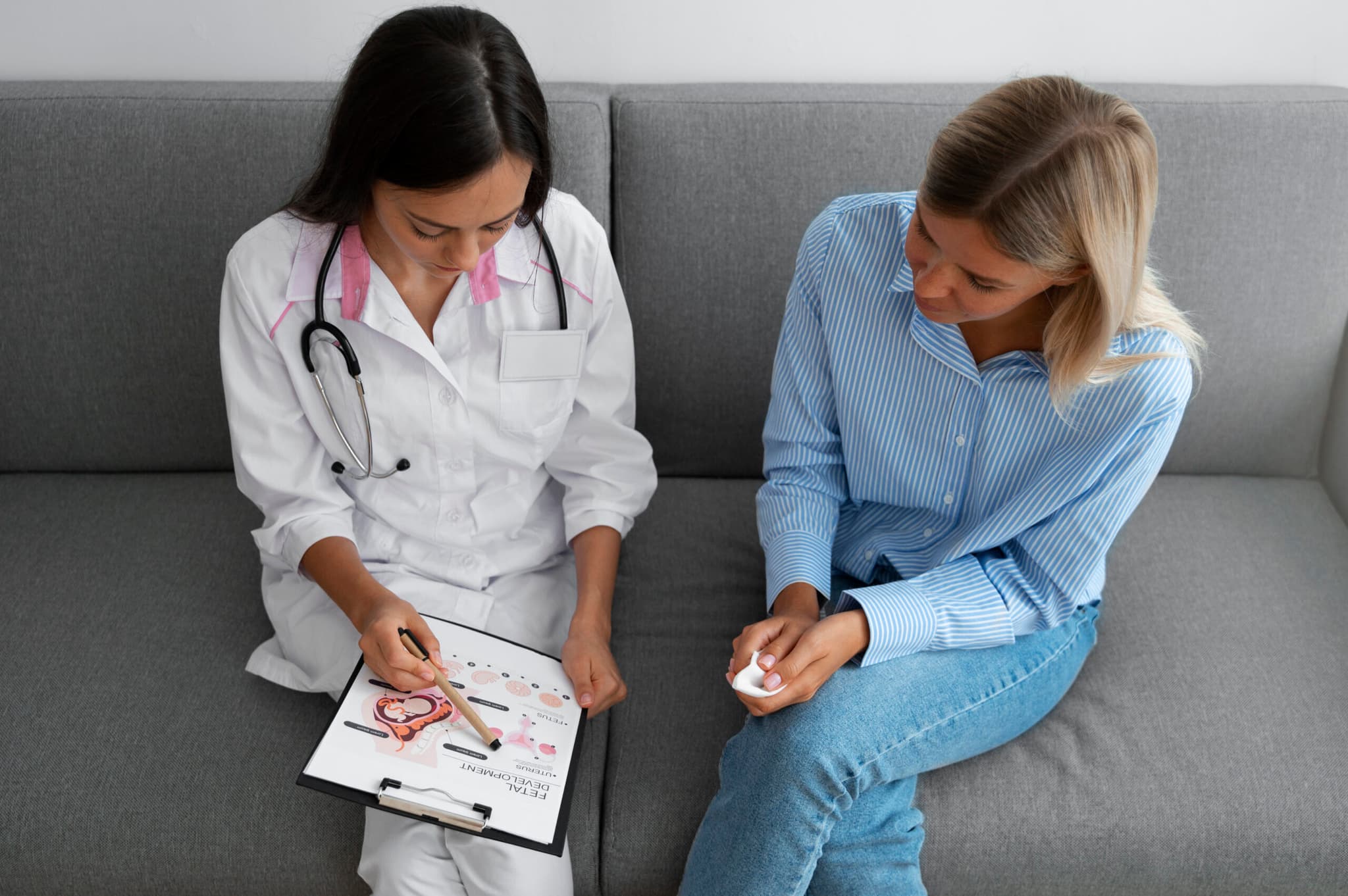

You’re exhausted in a way that rest doesn’t fix. You’re pale, you feel short of breath climbing stairs, and your heart races doing things that never used to wind you. Your periods are heavy—so heavy that you plan your schedule around them, keep extra supplies everywhere, and have stopped wearing anything light-colored. You may have started putting these two things together: the blood loss and the exhaustion.
Heavy menstrual bleeding that leads to iron-deficiency anemia is one of the most medically significant—and most commonly undertreated—consequences of uterine fibroids. Women across Houston and surrounding communities often accept this level of blood loss as “just how their periods are,” not realizing that the fatigue, weakness, and shortness of breath they’ve normalized are symptoms of anemia caused by their periods, not simply stress or being busy.
At Seamless Medical Centers, Dr. Zagum Bhatti, Board-Certified Interventional Radiologist, treats women with fibroid-related heavy bleeding from across the Houston area—including Katy, Sugar Land, The Woodlands, Pearland, League City, Friendswood, and Pasadena. Houston-area patients are seen at our Port Arthur office. Learn about UFE for Houston-area patients or our menorrhagia treatment page.
How Fibroids Cause Heavy Bleeding and Anemia
Uterine fibroids are noncancerous growths that develop within or around the uterine wall. When fibroids grow in certain locations—particularly submucosal fibroids that protrude into the uterine cavity—they significantly increase the surface area of uterine lining that sheds during menstruation. They also interfere with the uterus’s ability to contract effectively, which is the mechanism that normally limits menstrual blood loss.
The result is menorrhagia: heavy menstrual bleeding defined as soaking through more than one pad or tampon per hour for several consecutive hours, passing large blood clots, or bleeding for more than seven days. When this level of blood loss occurs month after month, the body cannot replace the lost iron and red blood cells fast enough. Iron-deficiency anemia develops, characterized by fatigue, weakness, pallor, shortness of breath with exertion, headaches, and difficulty concentrating.
For women in Houston’s sprawling suburbs—managing demanding jobs in The Woodlands’ corporate corridors, caring for families in Katy and Friendswood, commuting across Harris County and Fort Bend County—the fatigue of fibroid-related anemia can make an already demanding life feel unmanageable. Read more about UFE and how it addresses fibroid symptoms to understand how treatment works.
Why Iron Supplementation Alone Is Not Enough
Many women with fibroid-related anemia are prescribed iron supplements. Iron supplementation is appropriate and helps replenish iron stores, but it cannot solve the underlying problem if heavy bleeding continues. If you’re taking iron every day but your periods are still soaking through a pad every hour, you’re supplementing at the same time as the problem continues. It’s like trying to fill a bath with the drain still open.
Meaningful resolution of fibroid-related anemia requires addressing the heavy bleeding itself—which requires addressing the fibroids causing it. Once the source of the excessive blood loss is treated, iron stores can recover and anemia resolves. For many women, this represents a turning point: energy returns, shortness of breath resolves, and they feel like themselves again.
UFE: Treating the Bleeding at the Source
Uterine fibroid embolization (UFE) is a minimally invasive procedure that treats fibroids by blocking the blood vessels that supply them. Without a blood supply, fibroids shrink over the following weeks and months, and the heavy bleeding they were causing typically decreases significantly. For appropriate candidates, UFE offers a fibroid treatment option that does not require surgery, does not require a hysterectomy, and allows most patients to return to normal activities within one to two weeks. Compare UFE to hysterectomy and UFE to myomectomy to understand how the options compare.
Patients with significant anemia at the time of evaluation may also benefit from iron supplementation or other anemia management in the weeks before UFE, so that any necessary sedation or procedure is done with the best possible hemoglobin level. The team at Seamless Medical Centers accounts for anemia in the pre-procedure planning process.
Learn about UFE at our Port Arthur location, where Houston-area patients are seen. Port Arthur is approximately 90 miles from central Houston.
The Hidden Toll of Living With Anemia

Are You a Candidate for UFE?
If you answer "yes" to any of these questions, you may be a candidate for this treatment.
Call Now — (409) 213-9575Your information is protected under HIPAA. We will never share your data.
Iron-deficiency anemia from heavy periods rarely announces itself. It builds slowly, over months or years of blood loss, and because the decline is gradual, many women adapt to it without realizing how depleted they have become. The exhaustion is the kind that sleep does not fix – you wake tired, fade by mid-afternoon, and find that activities you once managed easily now leave you winded. Climbing stairs, carrying groceries, or keeping up with children can bring on breathlessness or a racing heart. Beyond the fatigue, low iron can cause difficulty concentrating and a mental fogginess that makes work and daily decisions harder, along with headaches, dizziness, pale skin, brittle nails, hair shedding, cold hands and feet, and even restless legs at night. Some women develop unusual cravings for ice. Because these symptoms are easy to attribute to stress, a busy schedule, or simply getting older, the underlying cause – the heavy periods steadily draining iron stores – often goes unaddressed for far too long. Recognizing that the bleeding and the exhaustion are connected is frequently the turning point. The fatigue is not a personal failing or something to push through; it is a physiological consequence of blood loss, and when the bleeding is brought under control, the energy that anemia has been quietly stealing can return.
How Anemia From Heavy Periods Is Diagnosed
Confirming whether heavy bleeding has affected your iron is straightforward and worth doing rather than guessing. A complete blood count measures your hemoglobin and hematocrit, which indicate whether you are anemic, while iron studies – particularly ferritin, which reflects your stored iron – reveal iron deficiency even before full-blown anemia develops. This distinction matters: many women are iron-deficient and symptomatic well before their hemoglobin drops low enough to be flagged as anemic, so a normal hemoglobin alone does not rule out an iron problem if your ferritin is low. If your periods are heavy and you have been feeling persistently tired, it is reasonable to ask specifically for both a complete blood count and a ferritin level. Alongside the blood work, identifying the source of the bleeding is essential, and a pelvic ultrasound is the usual first step, since it can detect fibroids and show their size, number, and location – especially the submucosal fibroids most associated with heavy bleeding. Putting the two together – blood work that quantifies the anemia and imaging that explains the bleeding – gives a complete picture and points toward the right treatment. For women across the Houston area, getting both evaluated rather than treating fatigue in isolation is what connects the symptom you feel to the cause behind it.
Rebuilding Your Iron After the Bleeding Is Treated
Treating the source of heavy bleeding changes the trajectory of anemia, but iron recovery is a process rather than an overnight switch, and knowing the timeline helps you set realistic expectations. After UFE, many women notice their menstrual bleeding ease over the first one to three cycles as the fibroids begin to shrink, with the fuller benefit developing over three to six months. As the monthly blood loss drops, the body is finally able to replace iron faster than it is being lost – the drain, in effect, is closed – and iron stores can steadily rebuild. During this period, your physician may continue iron supplementation and recommend iron-rich foods to speed repletion, and follow-up blood work can track your hemoglobin and ferritin climbing back toward normal. Most women find that the fatigue, breathlessness, and brain fog lift gradually as their iron recovers, often describing it as feeling like themselves again after a long time. The key difference from supplementing while still bleeding heavily is that now the iron you take and absorb actually accumulates rather than being washed out each cycle. You can review what the procedure recovery itself looks like in our guide to UFE recovery. Restoring iron is the final step in undoing the toll heavy periods have taken, and for many women it is the part that most clearly marks their return to normal life.
Frequently Asked Questions About Fibroid-Related Heavy Bleeding and Anemia
How do I know if my heavy bleeding is caused by fibroids?
A pelvic ultrasound can identify uterine fibroids in most cases. Women with heavy periods who have not had a recent ultrasound should ask their gynecologist for imaging. If fibroids are identified, the size, number, and location help determine whether they are likely causing the heavy bleeding. Submucosal fibroids—those that grow into the uterine cavity—are most commonly associated with menorrhagia.
Can I be treated for anemia before having UFE?
Yes. Optimizing hemoglobin levels before the procedure is often recommended. Iron supplementation, dietary changes, and in some cases other medications can help build iron stores before UFE. Dr. Bhatti will evaluate your hemoglobin and iron levels as part of the pre-procedure assessment and make specific recommendations.
How long after UFE does heavy bleeding typically improve?
Many women notice a reduction in menstrual bleeding within the first one to three cycles after UFE as fibroids begin to shrink. The full benefit typically develops over three to six months as the fibroids continue to reduce in size. Individual results vary based on fibroid size, number, and type.
Is UFE appropriate if I still want to have children?
UFE is generally not recommended as a first-line option for women who plan future pregnancies. Myomectomy—surgical removal of the fibroids—is typically the preferred approach for women seeking fibroid treatment while preserving fertility. However, each situation is different, and this is an important discussion to have during the consultation.
Schedule Your Consultation
If heavy periods have been affecting your quality of life and you’re ready to explore your options, contact Seamless Medical Centers to schedule a consultation.
Houston-area patients are seen at our Port Arthur office. Phone: 409-213-9575. Address: 3300 Jimmy Johnson Blvd, Suite #130, Port Arthur, Texas 77642.
Seamless Medical Centers home page
Medical Disclaimer
Individual results may vary. This information is for educational purposes only and should not replace professional medical advice. Treatment decisions should be made in consultation with qualified healthcare providers.
Published by Seamless Medical Centers | Clinical information reflects the expertise of Dr. Zagum Bhatti, MD, Board-Certified Interventional Radiologist, Founder of Seamless Medical Centers.
Why Choose Seamless Medical Centers?
- Minimally Invasive: Most procedures require only a small incision and are performed as outpatient services.
- Expert Care: Board-certified interventional radiologists with extensive training and experience.
- Faster Recovery: Less downtime compared to traditional surgery, getting you back to your life sooner.
- Advanced Technology: State-of-the-art imaging and treatment equipment for precise, effective care.
- Patient-Centered: Personalized treatment plans tailored to your unique needs and goals.