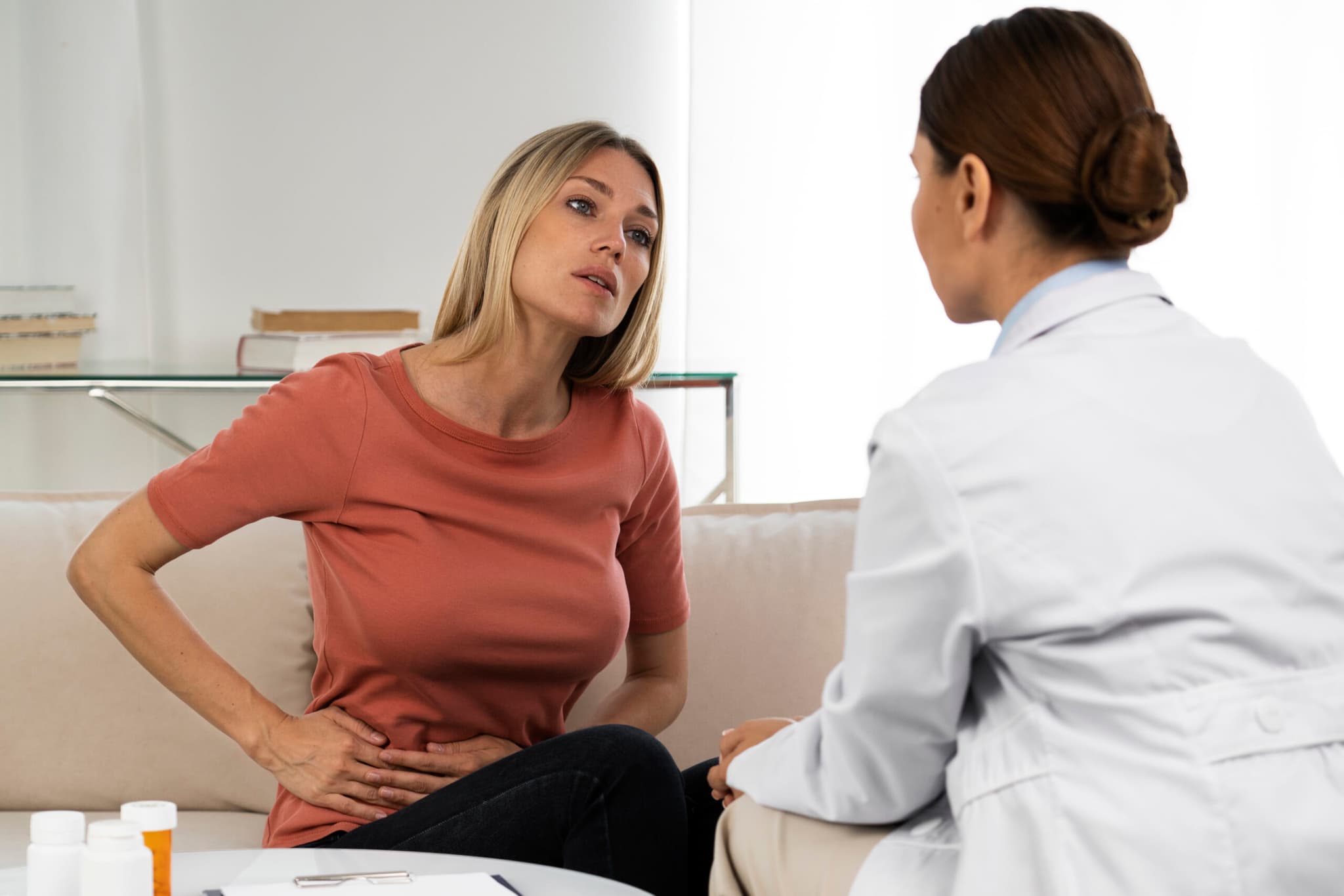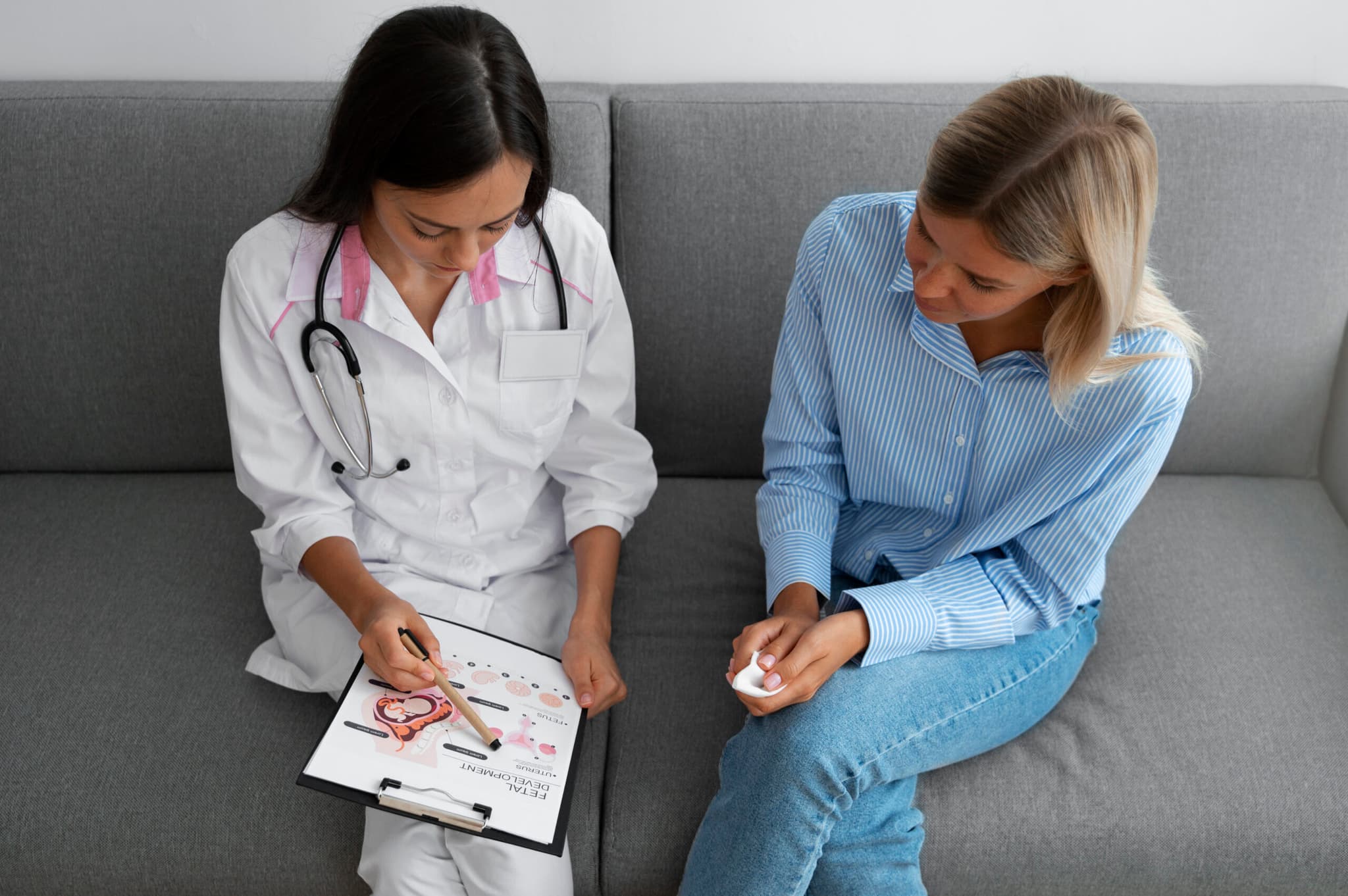
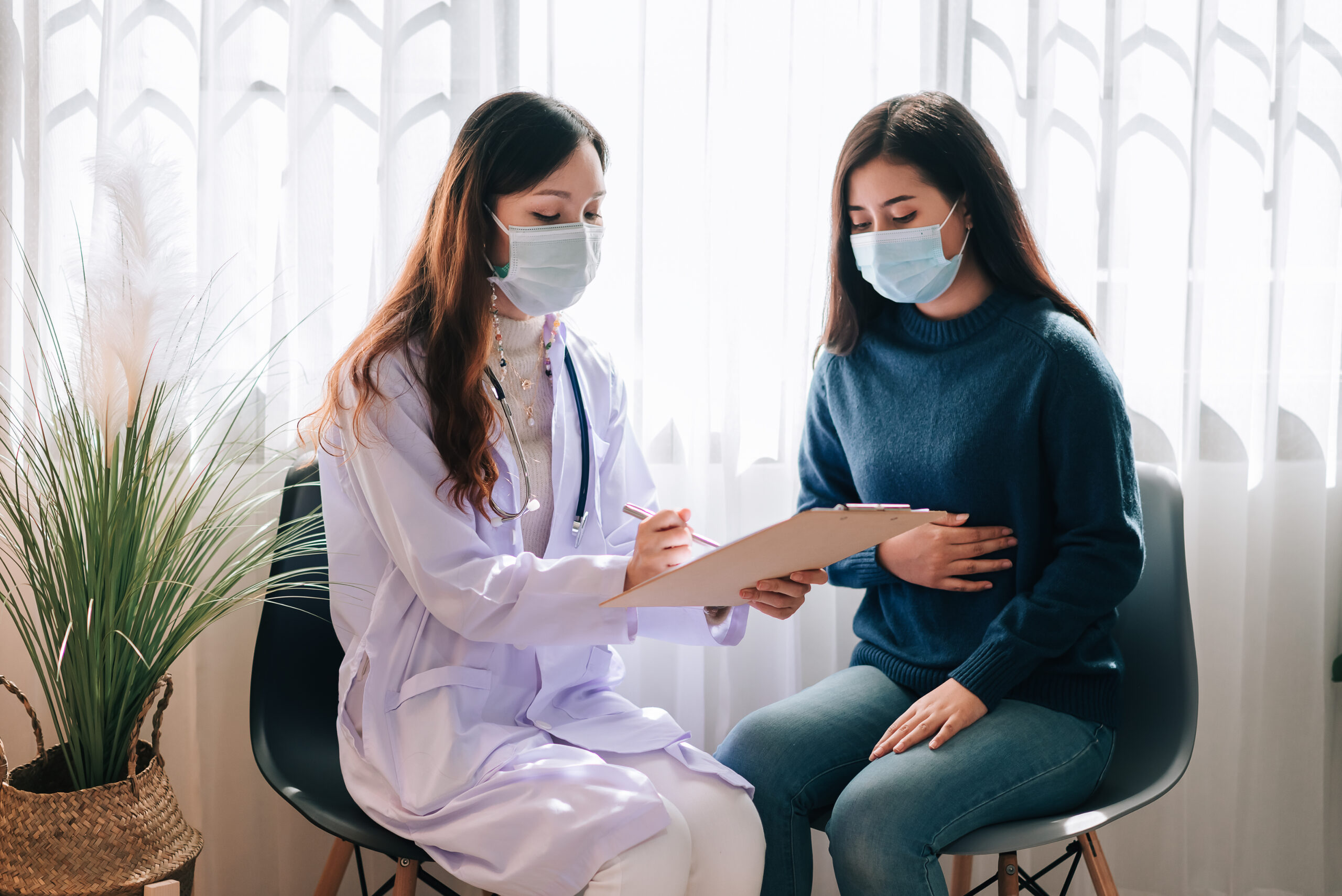
Severe cramping that doubles you over. Constant pelvic aching that worsens throughout the day. Sharp pain that makes you catch your breath. Back pain that radiates down your legs. If fibroids are causing pain that disrupts your ability to work, care for your family, or enjoy daily activities, you don’t have to accept it as something you just have to live with.
For women throughout the Golden Triangle—Port Arthur, Beaumont, Orange, and Nederland—fibroid-related pain often goes untreated for years because they’ve been told it’s normal or that hysterectomy is the only solution. At Seamless Medical Centers, Dr. Zagum Bhatti provides treatment for fibroid pain in Port Arthur, offering minimally invasive relief that preserves your uterus and gets you back to your life quickly.
Understanding Fibroid-Related Pain
Fibroids cause pain through several mechanisms. Large fibroids create constant pelvic pressure and aching simply by taking up space in your pelvis and pressing on surrounding organs. Submucosal fibroids that protrude into the uterine cavity trigger severe cramping as your uterus contracts trying to expel them, especially during menstruation. When fibroids press on nerves, you may experience pain that radiates to your lower back, hips, or down your legs.
Fibroid degeneration—when a fibroid outgrows its blood supply—causes acute pain that can be severe and alarming. This pain is sharp and localized, often accompanied by fever and tenderness over the affected area. The pain typically lasts several days to a week as the fibroid tissue dies and begins to shrink. Pedunculated fibroids attached by a stalk can twist on themselves, causing sudden severe pain that may require emergency evaluation.
Some women experience pain only during certain activities or times of their cycle, while others have constant background discomfort punctuated by episodes of sharper pain. The pain may interfere with work, exercise, intimacy, and sleep. When fibroid pain significantly affects your quality of life, treatment becomes appropriate regardless of fibroid size.
Pain Patterns That Signal Fibroids
Fibroid pain often has characteristic patterns. Cramping that is significantly worse than your typical menstrual cramps and doesn’t respond well to over-the-counter pain medications may indicate submucosal fibroids. Pelvic pressure and aching that worsen as the day progresses and improve when you lie down suggest large fibroids creating mechanical pressure. Pain during intercourse, particularly with deep penetration, can signal fibroids pressing on sensitive pelvic structures.
Lower back pain that doesn’t respond to typical back pain treatments may actually be referred pain from posterior fibroids pressing on nerves. Leg pain, particularly pain that runs down the back of your thigh, can occur when large fibroids compress nerves in the pelvis. For women in western Louisiana who have traveled to Baton Rouge or New Orleans for care, Port Arthur offers closer access to specialized fibroid treatment.
Understanding how UFE works to reduce fibroid pain helps you evaluate whether this minimally invasive procedure is right for you.
When Fibroid Pain Requires Treatment
Pain that interferes with your daily activities warrants evaluation and treatment. If you’re missing work because of fibroid pain, avoiding activities you enjoy, unable to exercise, having difficulty sleeping, or relying on pain medications daily, your fibroids are significantly impacting your quality of life. Pain during intercourse that affects your relationship or prevents intimacy is another valid reason to seek treatment.
Sudden severe pain, particularly if accompanied by fever, requires prompt medical evaluation to rule out fibroid degeneration, torsion of a pedunculated fibroid, or other complications. While these conditions may resolve on their own, proper evaluation ensures appropriate care and rules out other serious problems.
If conservative treatments like pain medications haven’t adequately controlled your fibroid pain, learn how UFE compares to hysterectomy for treating fibroid-related symptoms while preserving your uterus.
Treatment Options for Fibroid Pain
Pain medications can help manage fibroid discomfort temporarily but don’t address the underlying problem. Hormonal treatments may slow fibroid growth or reduce symptoms for some women, though effects are typically temporary and symptoms return when treatment stops. For lasting relief, treatment must target the fibroids themselves.
Uterine fibroid embolization blocks blood flow to fibroids, causing them to shrink and die. As fibroids shrink, pressure on surrounding organs decreases and pain improves. The procedure is performed through a tiny puncture with no abdominal surgery, allowing most women to return to work within a week. For Golden Triangle women seeking relief from fibroid pain, UFE in Port Arthur offers effective treatment close to home.
Telling Fibroid Pain Apart From Other Pelvic Pain

Are You a Candidate for UFE?
If you answer "yes" to any of these questions, you may be a candidate for this treatment.
Call Now — (409) 213-9575Your information is protected under HIPAA. We will never share your data.
Pelvic pain has many possible sources, and part of the value of an evaluation is sorting out whether fibroids are truly the cause or whether something else is contributing. Fibroid pain tends to have recognizable features: cramping that tracks with your menstrual cycle and is worse than your usual period pain, a deep pelvic ache or pressure that can worsen as the day goes on, or sharp, localized pain if a fibroid degenerates. But other conditions can mimic or accompany it. Endometriosis causes cyclical pelvic pain and can coexist with fibroids. Adenomyosis, in which uterine lining tissue grows into the muscular wall, produces both heavy bleeding and significant cramping and is easy to confuse with fibroids. Ovarian cysts, pelvic inflammatory conditions, bladder conditions, and even gastrointestinal problems can all generate pelvic pain. Because of this overlap, self-diagnosis is unreliable, and a pelvic ultrasound is the usual starting point to determine whether fibroids are present and whether their size and location fit your symptoms. For women throughout the Golden Triangle – Port Arthur, Beaumont, Orange, and Nederland – the goal of evaluation is not just to confirm fibroids but to make sure the pain is actually coming from them, so that treatment is directed at the real source rather than assumed. If pressure and bulk rather than pain are your main complaint, our guide on fibroid pelvic pain and pressure covers that side of the picture.
Managing Fibroid Pain – and the Limits of Pain Relief
Most women with fibroid pain begin with the gentlest measures, and it is worth understanding both what they offer and where they fall short. Over-the-counter anti-inflammatory medications can take the edge off cramping for milder cases, and a heating pad, rest, and similar comfort measures help during flares. Hormonal treatments, including certain birth control formulations, may reduce pain for some women by lightening periods or temporarily influencing the fibroids, though the effects are generally temporary and symptoms tend to return once the treatment stops. The common thread is that these approaches manage the pain rather than remove its cause: the fibroids remain, and as they grow, the pain often outpaces what comfort measures and medication can control. This is the point many women in Southeast Texas reach when they have been relying on painkillers around their period for months, increasing doses with diminishing return, or planning life around predictable bad days. When conservative measures are no longer giving adequate relief, it is reasonable to move from managing the pain to treating the fibroids responsible for it. That shift is not a failure of the earlier steps – they are the sensible place to start – but a recognition that lasting relief requires addressing the source. You can read how the minimally invasive option works in our overview of how UFE works and who it helps.
Acute Pain and When It Needs Prompt Attention
While most fibroid pain is chronic and builds gradually, fibroids can occasionally cause sudden, severe pain that warrants prompt evaluation. The most common reason is degeneration, when a fibroid grows large enough to outstrip its blood supply and part of the tissue begins to break down; this produces sharp, localized pain, sometimes with a low-grade fever and tenderness over the area, and typically lasts from several days to about a week as the tissue settles. Less commonly, a pedunculated fibroid – one attached to the uterus by a stalk – can twist on that stalk, cutting off its blood supply and causing abrupt, intense pain that may require urgent care. These episodes can be frightening, and while they often resolve, sudden severe pelvic pain, particularly with fever, should be evaluated rather than waited out, both to confirm the cause and to rule out other problems that can present similarly. Knowing this in advance helps you respond calmly: chronic, manageable fibroid pain can be addressed in a planned way through an evaluation and discussion of treatment, whereas a sudden, severe episode deserves a prompt call to a provider or, if intense, more urgent attention. For women weighing longer-term treatment after such an episode, comparing options – including how UFE compares with hysterectomy – is a reasonable next step once the acute pain is under control.
Frequently Asked Questions About Fibroid Pain
Why do fibroids cause so much pain?
Fibroids cause pain by pressing on surrounding organs and nerves, triggering uterine cramping (especially submucosal fibroids), or degenerating when they outgrow their blood supply. The type and severity of pain depends on fibroid size, location, and number.
Can fibroid pain come and go?
Yes, fibroid pain can be constant or intermittent. Some women experience pain only during menstruation or certain activities, while others have ongoing discomfort with episodes of sharper pain. Pain patterns often correlate with hormonal fluctuations during your menstrual cycle.
Will fibroid pain get worse over time?
Fibroid pain typically worsens as fibroids grow larger. Without treatment, fibroids often continue growing during reproductive years, leading to progressively worse symptoms. Waiting for menopause to shrink fibroids can mean years of pain.
Can I treat fibroid pain without surgery?
Yes, uterine fibroid embolization is a minimally invasive procedure performed through a tiny puncture rather than abdominal surgery. UFE effectively reduces fibroid pain without requiring hysterectomy or surgical removal of fibroids, preserving your uterus with faster recovery than traditional surgery.
Find Relief from Fibroid Pain in Southeast Texas
If fibroid pain is affecting your quality of life, contact Seamless Medical Centers to schedule a consultation with Dr. Bhatti. We serve patients throughout Southeast Texas and western Louisiana, providing advanced fibroid treatment without the need to travel to Houston or Louisiana cities.
Phone: 409-213-9575
Address: 3300 Jimmy Johnson Blvd, Suite #130, Port Arthur, Texas 77642
Medical Disclaimer
Individual results may vary. This information is for educational purposes only and should not replace professional medical advice. Treatment decisions should be made in consultation with qualified healthcare providers.
Published by Seamless Medical Centers | Clinical information reflects the expertise of Dr. Zagum Bhatti, MD, Board-Certified Interventional Radiologist, Founder of Seamless Medical Centers.
Why Choose Seamless Medical Centers?
- Minimally Invasive: Most procedures require only a small incision and are performed as outpatient services.
- Expert Care: Board-certified interventional radiologists with extensive training and experience.
- Faster Recovery: Less downtime compared to traditional surgery, getting you back to your life sooner.
- Advanced Technology: State-of-the-art imaging and treatment equipment for precise, effective care.
- Patient-Centered: Personalized treatment plans tailored to your unique needs and goals.