You’ve been telling yourself the leg cramping is just getting older. Your knees have been bothering you, your back has its moments, and leg cramps seem like just another thing on the list of changes that come with being in your 60s or 70s. But there’s something specific about this cramping that nags at you: it comes on when you walk, it forces you to stop, and it goes away when you rest. Every time. Predictably.
That pattern — walking-induced muscle cramping that reliably resolves with rest — is not a generic aging phenomenon. It is the hallmark of claudication, and claudication is a symptom of peripheral artery disease. PAD is treatable, and recognizing it early gives you the most options for restoring your walking capacity before the disease progresses further.
At Seamless Medical Centers in Port Arthur, TX, Dr. Zagum Bhatti, Board-Certified Interventional Radiologist, evaluates and treats PAD for patients across the Golden Triangle — Port Arthur, Beaumont, Nederland, Orange, Vidor, Lumberton, Bridge City, and surrounding communities. Patients from western Louisiana including Lake Charles and Sulphur also access care at our Port Arthur location. Port Arthur PAD service.
The Difference Between Aging and PAD Leg Pain
Leg pain from aging is nonspecific: general muscle soreness after activity, joint stiffness that loosens with movement, fatigue that varies day to day. It doesn’t follow rules. PAD claudication follows very specific rules: it comes on at a predictable walking distance, affects a specific muscle group (usually the calf, sometimes the thigh or buttock), and reliably resolves within two to five minutes of standing still. If your leg cramping is this predictable, it is not generic aging.
Other age-related conditions that cause leg pain — arthritis, spinal stenosis, venous insufficiency — have their own patterns that differ from vascular claudication. For patients in Silsbee, Groves, Orangefield, and Port Neches who have been dismissing leg pain as part of getting older, a simple screening test (the ankle-brachial index) can quickly determine whether the vascular system is involved.
Risk Factors Common in the Golden Triangle
Several PAD risk factors are common across the Southeast Texas region, including diabetes, hypertension, and obesity, with diabetes prevalence running above state and national averages. These factors compound each other — a patient who smokes and has diabetes has dramatically higher PAD risk than someone with only one risk factor. If you have multiple risk factors and walking-induced leg cramping, PAD evaluation is particularly important.
Understanding PAD and its symptoms and how claudication is distinguished from other leg pain provides useful context before your evaluation.
How Doctors Tell PAD Apart From Other Causes of Leg Pain
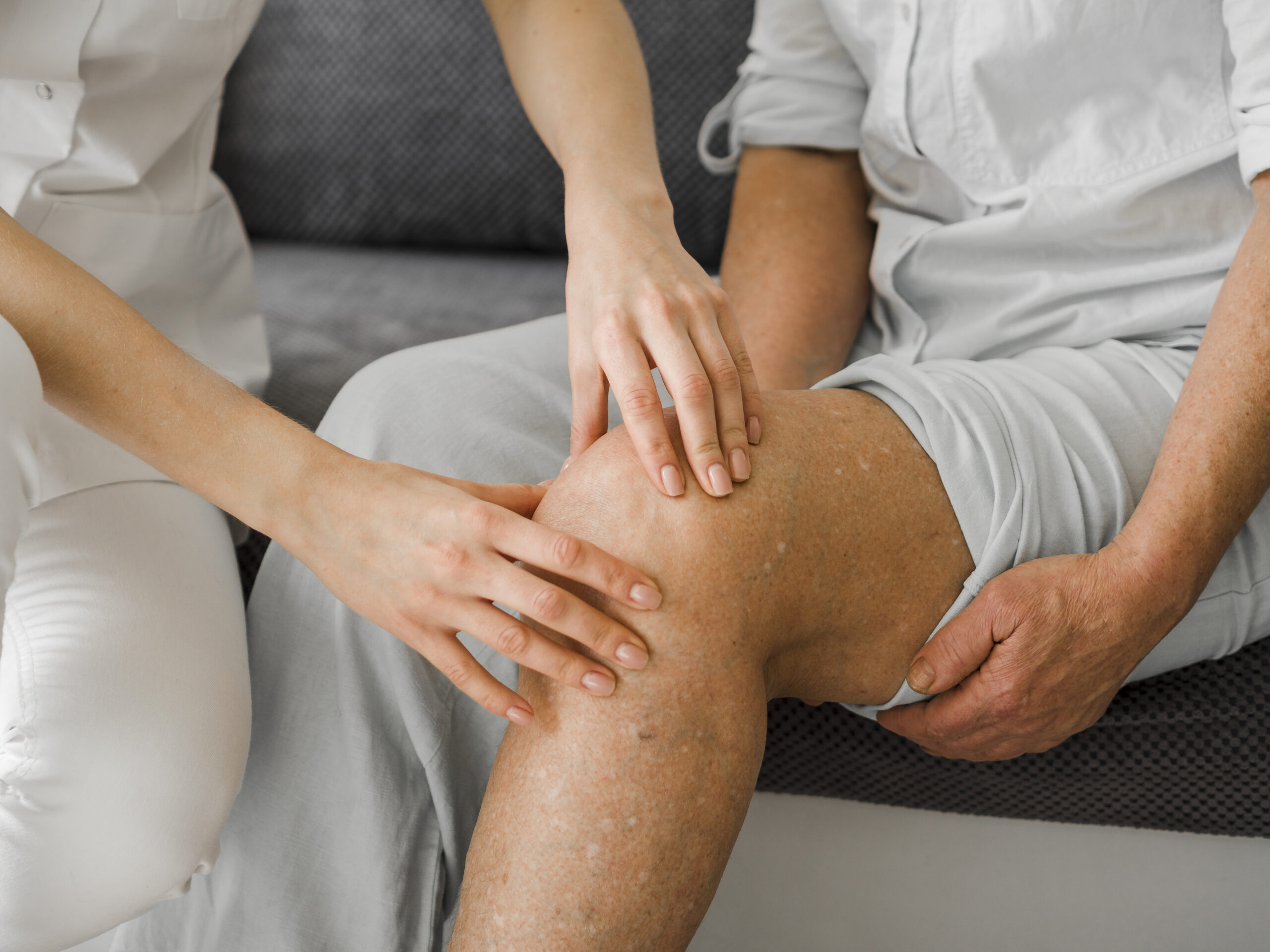
Several conditions can cause leg pain in older adults, and telling them apart shapes the right treatment. Vascular claudication from PAD appears at a predictable walking distance, affects a specific muscle group such as the calf, and eases within minutes of rest in any position. Pain from spinal stenosis also worsens with walking but is typically relieved by sitting or leaning forward rather than simply stopping, and often involves numbness or tingling. Arthritis pain is centered at a joint, varies with position and activity rather than tracking a walking distance, and tends to be stiff after rest.
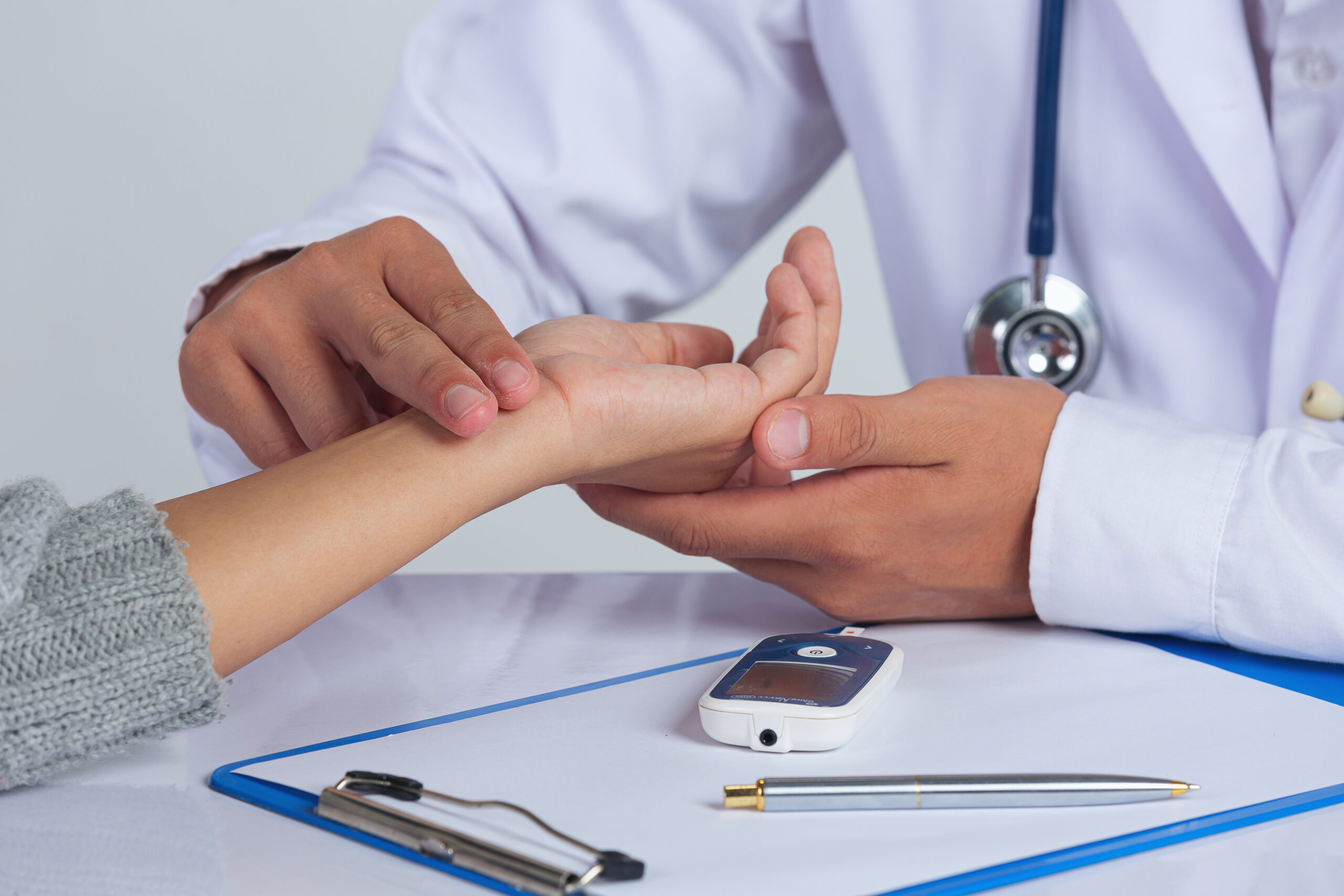
Because these conditions frequently coexist in the same person, the evaluation does not rely on the story alone. A pulse and skin examination together with the ankle-brachial index gives objective evidence of whether arterial flow is reduced, which is the piece that distinguishes a vascular cause from a nerve- or joint-related one.
What an Evaluation Involves
A PAD evaluation is quick and non-invasive. After a conversation about your symptoms and a focused examination, the ankle-brachial index compares blood pressure at the ankle and the arm to confirm or rule out reduced circulation, and duplex ultrasound can show where arteries are narrowed if treatment is being considered. At Seamless Medical Centers in Port Arthur, patients from the Golden Triangle, the wider Southeast Texas region, and western Louisiana are evaluated in unhurried visits with direct access to the physician.
If significant PAD is found and is limiting activity, Dr. Bhatti restores blood flow with minimally invasive techniques performed through a small puncture on an outpatient basis, and most insurance plans, including Medicare and Medicaid, cover medically necessary evaluation and treatment.

Are You a Candidate for PAD Treatment?
If you answer "yes" to any of these questions, you may be a candidate for this treatment.
Call Now — (409) 213-9575Question 1 of 4
Have you been diagnosed with Peripheral Artery Disease (PAD) by a doctor?
Prefer to talk? Call (409) 213-9575
Your information is protected under HIPAA. We will never share your data.
Ordinary Aging Versus a Pattern Worth Checking
Some leg discomfort with age is genuinely ordinary: general stiffness, soreness after unusual activity, or fatigue that varies from day to day. What distinguishes PAD is regularity. When cramping appears at a consistent walking distance, settles within minutes of stopping, and does so every time, it has stopped behaving like ordinary aging and started behaving like a circulation problem. That repeatability is the single most useful clue a person can notice on their own.
Night-time leg cramps that jolt you awake are a separate phenomenon and are usually not PAD; they are common and often related to hydration or electrolytes. PAD-related rest discomfort is different, a persistent ache in the foot when lying down that eases when the foot is lowered, and that specific pattern does warrant evaluation.
Why Early Recognition Pays Off
Catching PAD at the claudication stage, before rest pain or wounds develop, opens the widest range of treatment options and produces the best results. Lifestyle changes, supervised exercise, and, when needed, minimally invasive procedures can all meaningfully improve walking capacity at this stage. Because PAD also reflects broader atherosclerosis, recognizing it early is also an opportunity to protect the heart and brain.
Other Causes of Leg Cramps to Consider
Not every leg cramp signals a circulation problem. Cramps that strike at night or at rest are common and are often linked to dehydration, electrolyte imbalances, certain medications, or simple muscle fatigue, and they do not follow the activity-and-rest pattern of vascular claudication. Muscle strains cause pain tied to specific movements and ease over days rather than minutes, and nerve-related pain from the spine tends to involve numbness or tingling and changes with position.
What sets PAD apart is the link to walking: cramping that reliably appears at a certain distance and resolves with a brief rest. When cramps follow that vascular pattern, particularly alongside risk factors such as smoking or diabetes, an evaluation is warranted; when they do not, the cause is more often one of these other, generally less serious explanations, though persistent or worsening symptoms of any kind are worth discussing with a physician.
The simple test is whether the cramping follows rules. Ordinary aging is irregular and varied; vascular claudication is predictable, appearing at a consistent walking distance and easing within minutes of rest. When leg cramps behave that way, especially alongside risk factors such as smoking or diabetes, they deserve a closer look rather than a shrug. A short, painless evaluation can establish whether circulation is the cause, and if peripheral artery disease is found, it is both treatable and a useful early signal for protecting the heart and brain. Recognizing the pattern, rather than dismissing it as age, is what opens the door to effective care.
Frequently Asked Questions About Leg Cramps and PAD
Q1. Could my leg cramps at night be PAD?
Nighttime leg cramps that occur at rest — waking you from sleep with a sudden muscle spasm — are usually not PAD claudication. Nighttime rest cramps are common, often related to dehydration, electrolyte imbalances, or neurological factors. PAD rest pain is different: it is a persistent aching in the foot or lower leg that occurs when lying down and is relieved by dangling the foot. If you have this specific pattern, evaluation for advanced PAD is warranted.
Q2. What is the first test I should ask for if I think I have PAD?
Ask your doctor for an ankle-brachial index (ABI). This is a non-invasive blood pressure comparison between the ankle and the arm that takes a few minutes and provides objective evidence of arterial restriction. It can be done in a primary care or vascular clinic setting.
Q3. Are patients from Louisiana able to see Dr. Bhatti in Port Arthur?
Yes. Patients from Lake Charles, Sulphur, DeQuincy, and western Louisiana regularly access care at our Port Arthur location, which is significantly closer than traveling to Baton Rouge or New Orleans for specialist interventional radiology care.
Q4. How treatable is PAD when caught at the claudication stage?
PAD identified at the claudication stage — before rest pain or limb-threatening complications develop — is very treatable. Lifestyle modifications, supervised exercise, and minimally invasive revascularization procedures can all improve walking capacity meaningfully. Early identification and treatment produce the best outcomes.
Schedule Your Consultation
Contact Seamless Medical Centers at our Port Arthur office. Phone: 409-213-9575. Address: 3300 Jimmy Johnson Blvd, Suite #130, Port Arthur, Texas 77642.
Why Choose Seamless Medical Centers?
- Minimally Invasive: Most procedures require only a small incision and are performed as outpatient services.
- Expert Care: Board-certified interventional radiologists with extensive training and experience.
- Faster Recovery: Less downtime compared to traditional surgery, getting you back to your life sooner.
- Advanced Technology: State-of-the-art imaging and treatment equipment for precise, effective care.
- Patient-Centered: Personalized treatment plans tailored to your unique needs and goals.