You’ve noticed it on your walks. You get partway through the grocery store, or halfway up your street, and your calf starts to cramp and ache in a way that forces you to stop. You rest for a few minutes and the pain fades. You start walking again and, after covering a predictable distance, it returns. This pattern — pain that comes on with walking a specific distance and resolves reliably with rest — is the defining characteristic of claudication, and it is one of the primary symptoms of peripheral artery disease.
Claudication is frequently misattributed to muscle fatigue, getting older, or arthritis, which delays appropriate diagnosis and treatment. Understanding what claudication actually is, what causes it, and how it differs from other causes of leg pain is the first step toward getting the right evaluation.
At Seamless Medical Centers, Dr. Zagum Bhatti, Board-Certified Interventional Radiologist, evaluates and treats claudication for patients across Southeast Texas and the Houston area. Houston-area PAD services and Port Arthur services are available.
What Causes Claudication?
Claudication results from inadequate blood flow to the leg muscles during exercise. The calf muscles (or thigh or buttock muscles, depending on where the arterial blockage is located) need increased oxygen delivery during walking. When arteries are narrowed by atherosclerotic plaque, blood flow cannot increase adequately to meet this demand. The resulting oxygen shortage causes the characteristic cramping, aching, or tired sensation that defines claudication.
Rest relieves claudication because the muscles’ oxygen demands decrease when you stop moving. The limited blood flow through narrowed arteries can meet the resting muscle’s needs, so symptoms resolve within minutes of stopping. The pain reliably returns when walking resumes because the same supply-demand mismatch recurs at the same exercise intensity.
The location of the arterial blockage determines where claudication is felt. Aortoiliac disease (blockages in the pelvic arteries) causes pain in the buttocks, hips, or thighs. Femoral artery disease (blockages in the thigh artery) causes classic calf claudication. Tibial artery disease causes foot and lower calf symptoms. Some patients have multilevel disease with pain in multiple locations.
How Claudication Differs From Other Leg Pain
Several other conditions cause leg pain and can be confused with claudication, most commonly lumbar spinal stenosis (neurogenic claudication), sciatica, and venous insufficiency. Read the detailed comparison of PAD versus sciatica and arthritis for a thorough breakdown of how to tell them apart.
Neurogenic claudication from spinal stenosis also causes leg pain with walking but differs in important ways: it is often associated with back pain, may involve numbness or tingling rather than pure cramping, is relieved by sitting or leaning forward (positions that relieve spinal pressure) rather than simply stopping to stand, and may affect both legs with a more diffuse distribution. Vascular claudication is typically cramping in a specific muscle group (most often the calf), appears at a predictable walking distance, and resolves within a few minutes of rest in any position.
The Claudication Distance
One of the diagnostically useful features of vascular claudication is its predictability. Patients can often describe quite precisely how far they can walk before symptoms begin — whether that is one block, half a mile, or from the car to the office. This claudication distance reflects the severity of arterial restriction: the shorter the claudication distance, the more significant the blood flow limitation.
Many patients unconsciously adapt by limiting their activity to avoid triggering claudication. They park closer, avoid stairs, take elevators, and reduce their daily walking without recognizing how much their activity has shrunk. Recognizing the pattern — and the progressive limitation it may be causing — is often what prompts patients to seek evaluation.
For more information on claudication evaluation and treatment, review the full PAD treatment options guide. Contact Seamless Medical Centers to schedule a vascular evaluation.
How Claudication Is Diagnosed
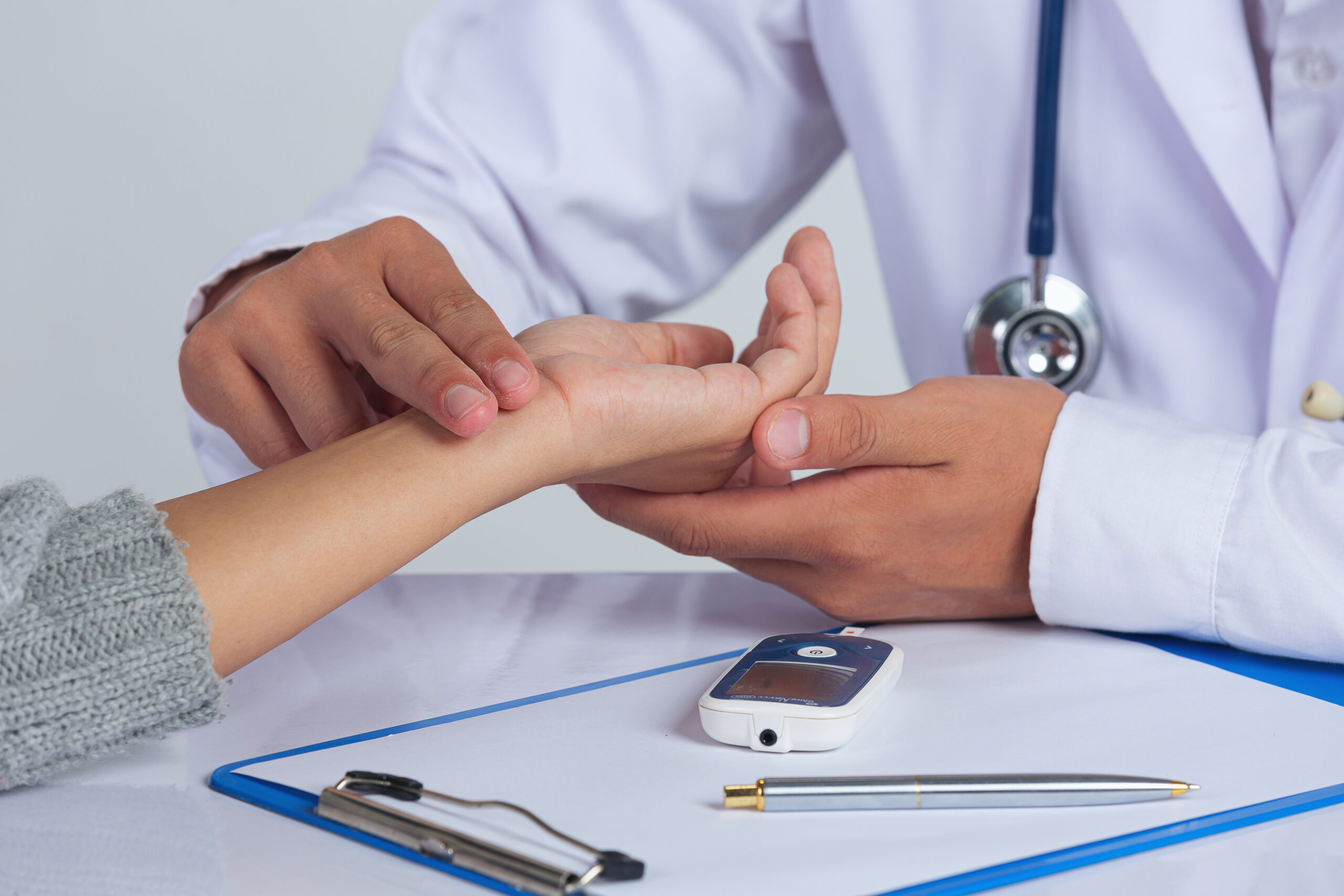
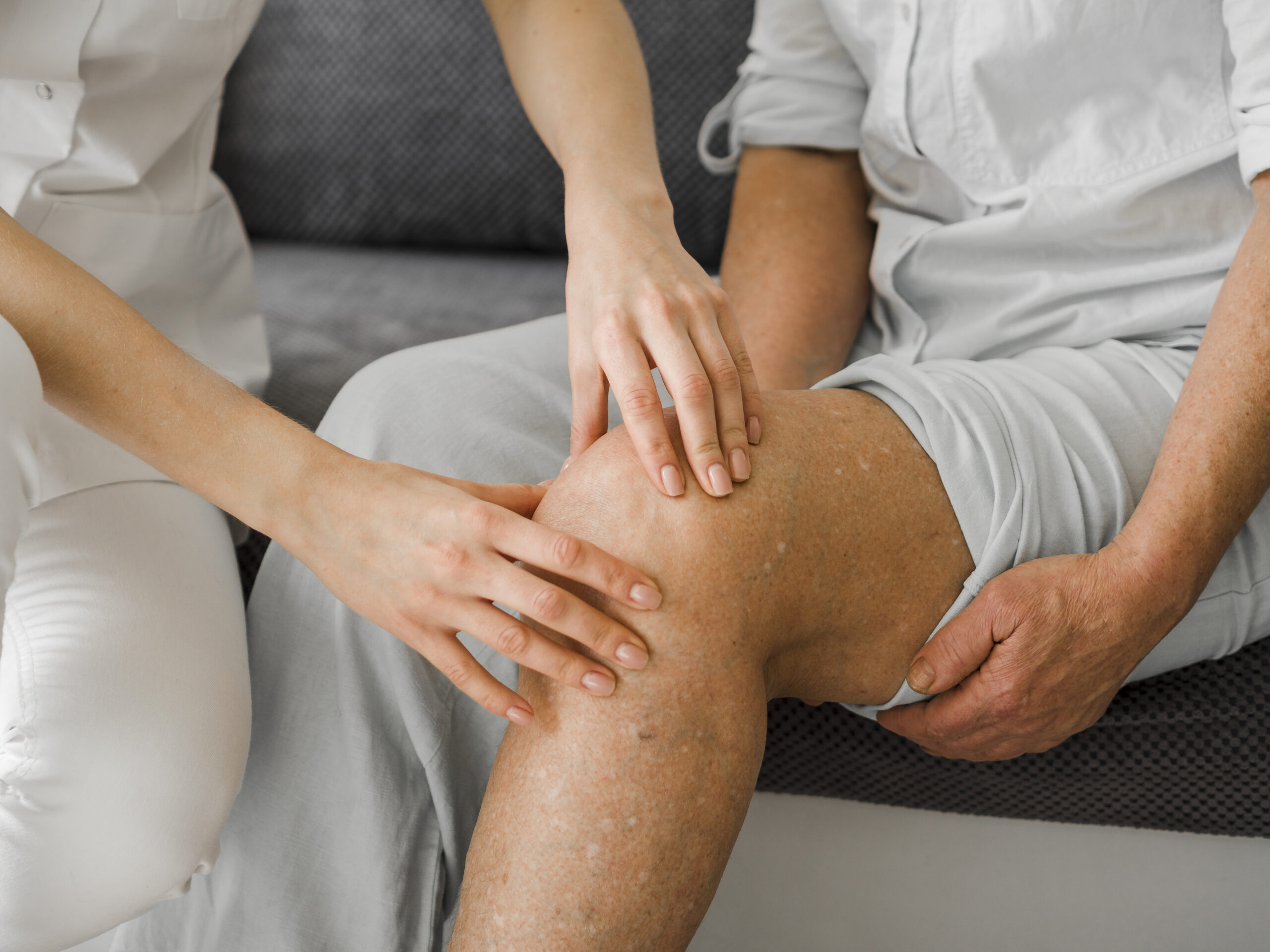
Because claudication has a distinctive pattern, the diagnosis often begins with the story itself: pain in a specific muscle group that appears at a predictable walking distance and resolves within minutes of rest. The physician confirms reduced circulation with a focused examination of the pulses and skin and with the ankle-brachial index, a painless comparison of blood pressure at the ankle and the arm. When symptoms are clearly activity-related but the resting index is borderline, an exercise ankle-brachial index, measured before and immediately after walking, can reveal how circulation fails to keep up with demand.

Are You a Candidate for PAD Treatment?
If you answer "yes" to any of these questions, you may be a candidate for this treatment.
Call Now — (409) 213-9575Question 1 of 4
Have you been diagnosed with Peripheral Artery Disease (PAD) by a doctor?
Prefer to talk? Call (409) 213-9575
Your information is protected under HIPAA. We will never share your data.
When the diagnosis is established and treatment is being planned, imaging maps the blockages in detail. Duplex ultrasound shows blood flow and pinpoints narrowed segments, while CT or MR angiography provides a fuller picture of the arteries throughout the leg. Together, these studies tell the physician where the disease is, how severe it is, and which approach is most likely to help.
Treatment Options for Claudication
Treatment aims to improve walking ability, protect the limb, and reduce overall cardiovascular risk. For many people, a structured walking program improves the distance they can cover before pain begins by encouraging the development of collateral circulation. Stopping smoking, controlling cholesterol and blood pressure, and managing diabetes slow the underlying disease, and certain medications can ease symptoms for some patients.
When these measures do not provide enough relief, or when symptoms are limiting daily life, minimally invasive revascularization can restore blood flow through the narrowed arteries. At Seamless Medical Centers, angioplasty, stenting, and atherectomy are performed through a small puncture on an outpatient basis, with most patients going home the same day and noticing improved walking comfort within days.
Living With and Monitoring Claudication
For many people, claudication is a manageable, stable condition for years, particularly when risk factors are controlled and a regular walking routine is maintained. Keeping track of your claudication distance, the point at which symptoms reliably begin, gives you and your physician a practical measure of whether the disease is stable, improving, or progressing.
A shortening claudication distance, pain that begins to appear at rest, or a wound that will not heal are all signs that the disease may be advancing and that an evaluation should not be delayed. Between visits, consistent attention to smoking cessation, exercise, diet, and medication does more to protect the limb than any single intervention.
Because claudication is also a marker of widespread atherosclerosis, monitoring extends beyond the legs. Regular review of blood pressure, cholesterol, and blood sugar, along with attention to any cardiac or neurological symptoms, is part of comprehensive care, since protecting the heart and brain is as important as preserving walking ability.
How Supervised Exercise Helps
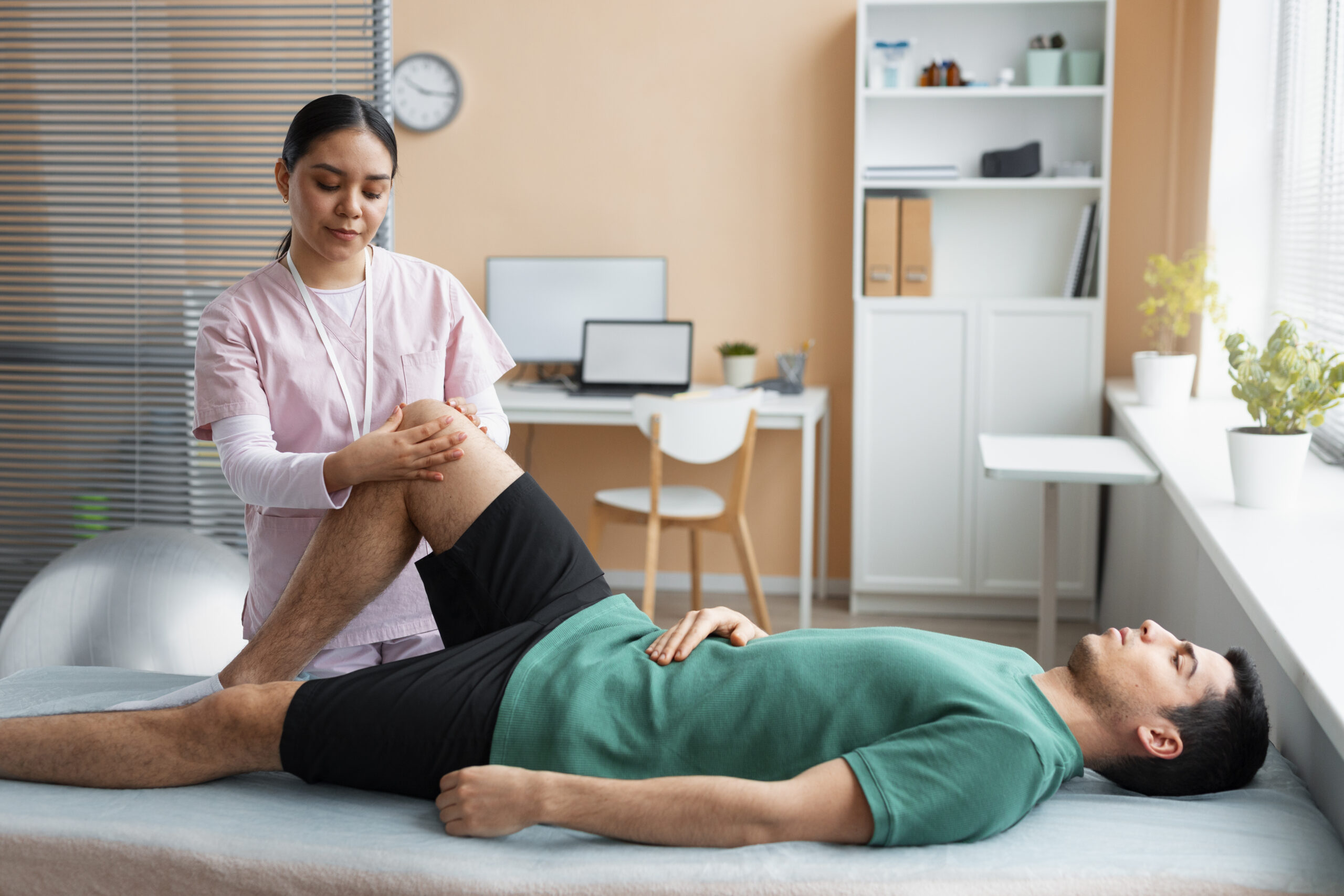
Among the non-procedural treatments for claudication, structured exercise has some of the strongest evidence behind it. The approach is straightforward: walk until the claudication discomfort begins, rest until it eases, then resume, repeating the cycle across a session of roughly thirty to forty-five minutes, several times a week. Over weeks to months, this trains the leg to function better on the blood supply it has, partly by encouraging the growth of collateral vessels that route around the blockages and partly by improving the efficiency of the muscles themselves.
The improvement is real but gradual, and it depends on consistency. Exercise does not reopen the narrowed artery, so when symptoms are severe or limiting despite a committed effort, it is reasonable to consider a procedure that restores blood flow directly. For many people, though, a walking program is a valuable first step and remains worthwhile even after other treatments, because the cardiovascular benefits extend well beyond the legs.
For most people, the answer is not a single treatment but a combination tailored to how much claudication is affecting daily life. Risk-factor control and a walking program form the foundation, medication addresses cardiovascular risk and sometimes symptoms directly, and minimally invasive revascularization is available when these are not enough. Because the right mix changes as the disease and a person’s goals change, claudication is best thought of as something to manage over time rather than to fix once. Regular review with a physician keeps the plan matched to the current situation and keeps the focus on both walking comfort and the broader cardiovascular health that claudication signals.
Frequently Asked Questions
Q1. Is it safe to keep walking when I have claudication?
For most people, walking through mild claudication discomfort during a structured program is not only safe but therapeutic, because it helps build collateral circulation. Rest pain or non-healing wounds are different and should be evaluated before continuing to exercise, so it is worth discussing your specific situation with a physician.
Q2. Will claudication get worse over time?
Claudication can progress, especially with continued smoking or poorly controlled diabetes, and the distance you can walk before pain may shorten. With risk-factor management and appropriate treatment, however, many people remain stable for years or improve.
Q3. Does claudication mean I am at risk for other problems?
Yes. Because claudication reflects atherosclerosis, it is associated with a higher risk of heart attack and stroke, which is why treatment addresses overall cardiovascular health and not just the legs.
Schedule Your Consultation
Contact Seamless Medical Centers to schedule a consultation with Dr. Bhatti. Phone: 409-213-9575. Address: 3300 Jimmy Johnson Blvd, Suite #130, Port Arthur, Texas 77642.
Why Choose Seamless Medical Centers?
- Minimally Invasive: Most procedures require only a small incision and are performed as outpatient services.
- Expert Care: Board-certified interventional radiologists with extensive training and experience.
- Faster Recovery: Less downtime compared to traditional surgery, getting you back to your life sooner.
- Advanced Technology: State-of-the-art imaging and treatment equipment for precise, effective care.
- Patient-Centered: Personalized treatment plans tailored to your unique needs and goals.