
Maybe it started as a cramp in your calf when you walked to the mailbox or across a parking lot – a tightness that eased once you stopped. Maybe your feet feel cold even when the rest of you is warm, or a small sore on your foot is taking far longer to heal than it should. These everyday signs are easy to brush off as part of getting older, but they can be early signals of peripheral artery disease (PAD), a narrowing of the arteries that carry blood to your legs and feet. Recognizing them early gives you the best chance to protect your mobility and avoid complications like ongoing pain or wounds that won’t heal.
For Southeast Texas residents experiencing potential PAD symptoms, Seamless Medical Centers in Port Arthur provides comprehensive evaluation and treatment. Dr. Zagum Bhatti serves patients throughout the Golden Triangle—Beaumont, Orange, Nederland—and western Louisiana, offering advanced vascular care close to home.
Classic PAD Symptoms
Claudication—leg pain or cramping that occurs with walking and improves with rest—is the hallmark PAD symptom. The pain typically affects your calves, though it can occur in your thighs, hips, or buttocks depending on which arteries are blocked. What makes claudication distinctive is its predictable pattern: pain starts after walking a certain distance, forces you to stop, and improves within minutes of resting.
The claudication distance often becomes predictable—you might reliably make it two blocks before cramping starts. As PAD progresses, this distance typically decreases. You may notice you can walk a shorter distance before pain begins, or that pain takes longer to resolve with rest. For Lumberton, Groves, and Bridge City residents experiencing this pattern of leg pain, medical evaluation confirms whether PAD is the cause.
Claudication pain is described as cramping, aching, fatigue, or heaviness rather than sharp or stabbing. Some people describe their legs feeling like wood or concrete. The key distinguishing feature is the activity-rest relationship—pain consistently occurs with activity and consistently improves with rest.
Changes in Skin and Nails
Chronically reduced blood flow causes visible changes. Your skin may appear shiny, pale, or bluish. Hair loss on the legs and feet signals poor circulation over time. Toenails may grow slowly, become thick and brittle, or develop ridges. These changes develop gradually and may go unnoticed until they’re quite pronounced.
Skin temperature differences are significant. Your feet may feel cold even in warm weather, or one foot may be noticeably colder than the other. The skin may feel cool to touch compared to other parts of your body. These temperature changes reflect reduced blood flow delivering warmth to your extremities.
Advanced PAD Symptoms
As PAD progresses, symptoms worsen. Rest pain—discomfort in your feet or toes even when you’re not walking—indicates severely reduced circulation. This pain often worsens at night when you lie down and gravity no longer helps blood reach your feet. You might find yourself hanging your leg over the side of the bed or sleeping in a recliner to reduce pain. Rest pain signals critical limb ischemia requiring urgent treatment.
Non-healing wounds are serious warning signs. Small cuts, blisters, or sores on your feet or legs that don’t heal within a normal timeframe indicate insufficient blood flow for tissue repair. These wounds may become infected, further complicating healing. Ulcers—open sores—that develop without obvious injury also signal critically reduced circulation.
Changes in color can indicate severe PAD. Feet or toes that turn pale when elevated and become dark red or purple when hanging down (dependent rubor) show that circulation can’t maintain normal skin color. Blue or black discoloration indicates tissue death (gangrene) requiring emergency treatment to save the limb.
Symptoms Often Overlooked
Not everyone with PAD experiences obvious symptoms. Mild PAD may cause no symptoms at all, with reduced circulation only detected during physical examination when weak or absent foot pulses are found. Some people attribute subtle symptoms to aging or being out of shape rather than recognizing them as signs of vascular disease.
Numbness or tingling in feet and toes can signal either PAD or nerve damage (neuropathy), particularly common in diabetes. Many people with diabetes have both conditions, making it challenging to distinguish which is causing symptoms. Proper evaluation with circulation testing and neurological examination helps determine the cause.
Erectile dysfunction can be an early sign of PAD in men. The same atherosclerosis that blocks leg arteries can affect arteries supplying erectile tissue. Men with erectile dysfunction and cardiovascular risk factors should be evaluated for PAD.
When to Seek Evaluation

Are You a Candidate for PAD Treatment?
If you answer "yes" to any of these questions, you may be a candidate for this treatment.
Call Now — (409) 213-9575Question 1 of 4
Have you been diagnosed with Peripheral Artery Disease (PAD) by a doctor?
Prefer to talk? Call (409) 213-9575
Your information is protected under HIPAA. We will never share your data.
You should seek medical evaluation if you experience leg pain when walking that improves with rest, have feet that feel persistently cold, notice wounds on your feet or legs that heal slowly, have weak or absent pulses in your feet, or have been told you’re at high risk for PAD due to smoking, diabetes, or cardiovascular disease.
Urgent evaluation is necessary if you develop rest pain, sudden severe leg pain, sudden color changes in your feet or toes, or wounds that aren’t healing despite proper care. These symptoms indicate severely compromised circulation requiring immediate treatment to prevent amputation.
Understanding peripheral artery disease and its progression helps you recognize when symptoms warrant medical attention.
Who Is Most at Risk for PAD
Because early peripheral artery disease often produces few or no symptoms, knowing who is at higher risk helps determine when an evaluation is worthwhile even before problems appear. Smoking is the strongest modifiable risk factor, followed closely by diabetes; high blood pressure, high cholesterol, advancing age, obesity, a sedentary lifestyle, chronic kidney disease, and a family history of vascular disease each add to the picture. Most people who develop PAD carry more than one of these factors at the same time.
Major cardiovascular organizations suggest discussing a PAD evaluation with a physician for anyone between 50 and 64 with risk factors such as diabetes or a history of smoking, anyone under 50 who has diabetes plus one additional risk factor, anyone 65 or older, and anyone already diagnosed with coronary or carotid artery disease. For residents of the Golden Triangle and western Louisiana who fall into these groups, raising the question early is one of the simplest ways to catch reduced circulation before it limits daily life.
What to Expect at Your Evaluation
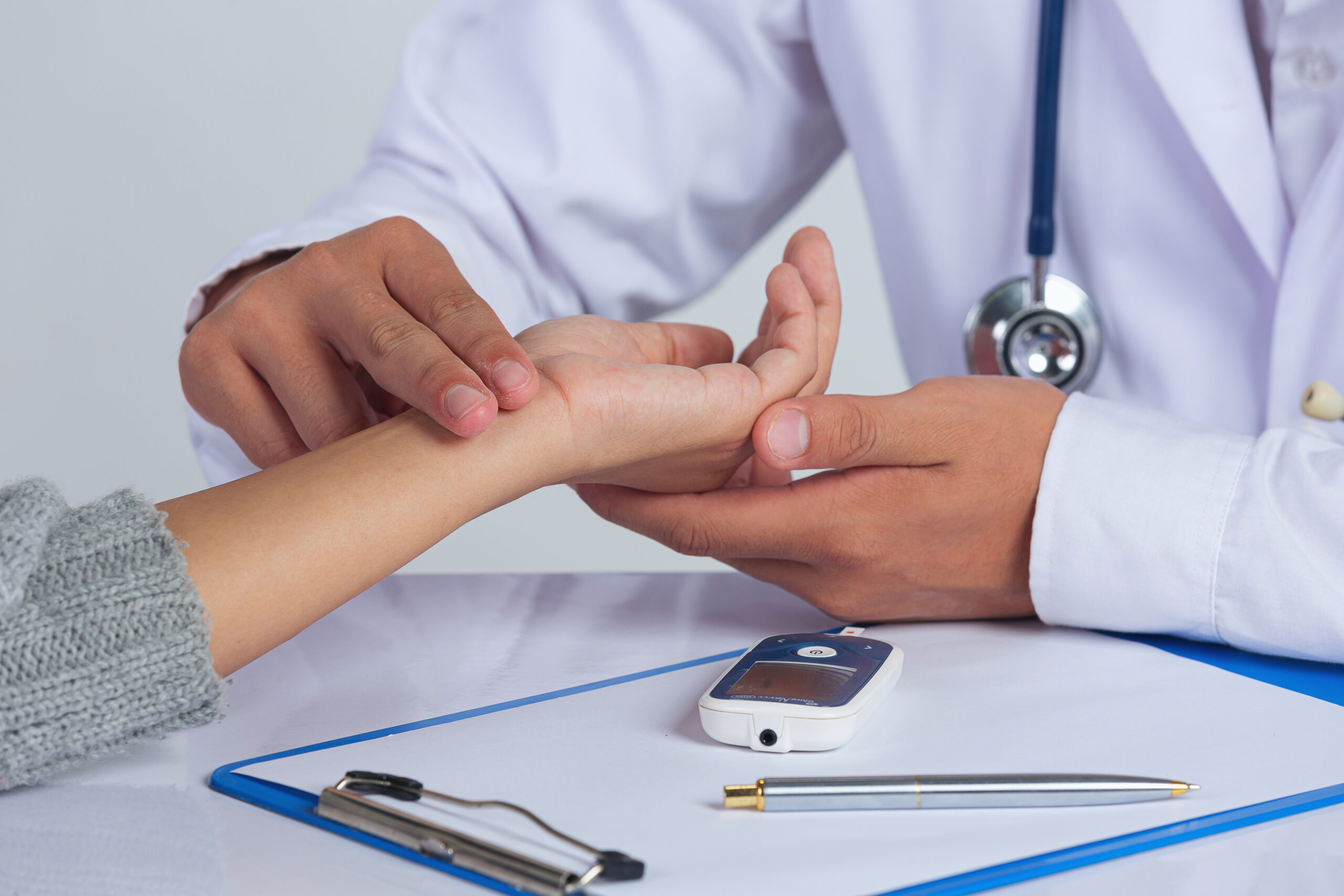
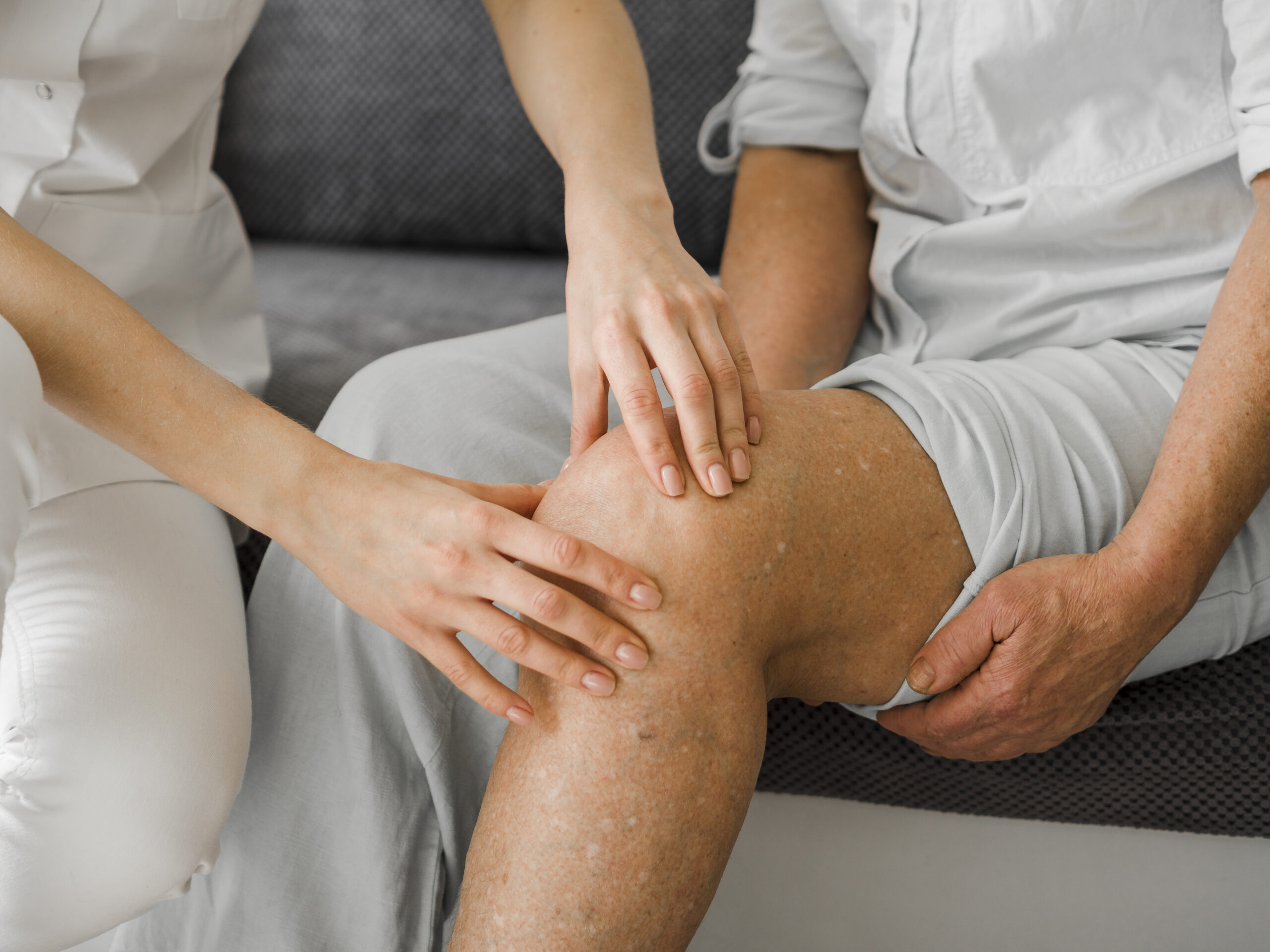
A PAD evaluation begins with a conversation about your symptoms, walking limits, and medical history, followed by a focused examination in which the physician checks the pulses in your legs and feet and inspects the skin for color, temperature, and wound changes. The ankle-brachial index, a painless blood-pressure comparison between the ankle and the arm, provides objective confirmation of reduced flow, and duplex ultrasound can show exactly where arteries are narrowed. When treatment is being considered, additional imaging maps the blockages in detail.
At Seamless Medical Centers in Port Arthur, these evaluations are unhurried, and patients have direct access to their physician rather than being moved quickly through a crowded schedule. Most insurance plans, including Medicare and Medicaid, cover medically necessary PAD evaluation and treatment, and the practice handles insurance verification and pre-authorization so patients can focus on their care.
When PAD Symptoms Are an Emergency
Most PAD symptoms develop gradually, but certain changes call for urgent rather than routine attention. Sudden, severe leg pain, a leg that becomes pale, cold, or numb over a short period, or a foot that changes color to blue or black can indicate a sudden loss of blood flow that needs immediate evaluation. Likewise, a wound that is rapidly worsening, or signs of infection such as spreading redness, warmth, or fever, should not wait for a scheduled appointment.
For people who already know they have PAD, the appearance of rest pain or a new non-healing wound marks a meaningful change in the disease and warrants prompt evaluation to protect the limb. When in doubt, it is safer to be seen sooner rather than later, because circulation problems can escalate quickly once tissue is at risk.
Frequently Asked Questions
Q1. Can PAD cause no symptoms?
Yes, mild PAD may cause no symptoms. Some people only discover they have PAD during routine examination or testing for other conditions. This is why screening is important for people with risk factors even without symptoms.
Q2. Do PAD symptoms come and go?
Claudication typically follows a predictable pattern related to activity level. However, symptom severity can vary day to day based on temperature, your overall health, and activity demands. Cold weather often worsens symptoms.
Q3. How quickly do PAD symptoms worsen?
PAD progression varies. Some people remain stable for years with appropriate management, while others experience more rapid worsening. Smoking, diabetes, and inadequate risk factor control accelerate progression.
Q4. Can PAD symptoms improve?
Yes, with treatment many people experience significant symptom improvement. Exercise programs, medications, and procedures to restore blood flow can all improve symptoms and quality of life.
Expert PAD Evaluation
If you’re experiencing symptoms of peripheral artery disease, contact Seamless Medical Centers to schedule an evaluation. Dr. Bhatti provides comprehensive PAD care for patients throughout Southeast Texas and western Louisiana.
Phone: 409-213-9575
Address: 3300 Jimmy Johnson Blvd, Suite #130, Port Arthur, Texas 77642
Why Choose Seamless Medical Centers?
- Minimally Invasive: Most procedures require only a small incision and are performed as outpatient services.
- Expert Care: Board-certified interventional radiologists with extensive training and experience.
- Faster Recovery: Less downtime compared to traditional surgery, getting you back to your life sooner.
- Advanced Technology: State-of-the-art imaging and treatment equipment for precise, effective care.
- Patient-Centered: Personalized treatment plans tailored to your unique needs and goals.