
Leg pain, swelling, skin changes, or circulation problems can result from various vascular conditions. Peripheral artery disease affects arteries carrying blood to your legs. Chronic venous insufficiency affects veins returning blood to your heart. Deep vein thrombosis involves blood clots in leg veins. While these conditions share some symptoms, they have different causes, require different treatments, and carry different risks. Understanding which condition you’re dealing with ensures appropriate care.
At Seamless Medical Centers, Dr. Zagum Bhatti provides comprehensive evaluation and treatment for all types of vascular conditions. We serve patients throughout Southeast Texas and the Houston area, ensuring you receive accurate diagnosis and appropriate care for your specific condition.
Peripheral Artery Disease (PAD) vs Peripheral Vascular Disease (PVD)
Peripheral vascular disease is a broad term encompassing any disease affecting blood vessels outside the heart and brain. This includes both arterial diseases (like PAD) and venous diseases (like chronic venous insufficiency). Peripheral artery disease specifically refers to atherosclerotic blockages in arteries supplying the legs and feet.
While the terms PAD and PVD are sometimes used interchangeably, PAD is actually one type of PVD. When physicians discuss PAD, they’re specifically referring to arterial blockages that reduce blood flow to the legs. PVD encompasses both arterial conditions (PAD, thromboangiitis obliterans) and venous conditions (chronic venous insufficiency, deep vein thrombosis).
In practice, when someone says they have peripheral vascular disease, they usually mean peripheral artery disease. However, clarifying which specific vascular condition you have ensures appropriate treatment and risk assessment.
PAD vs Chronic Venous Insufficiency (CVI)
Peripheral artery disease and chronic venous insufficiency affect different parts of your circulatory system. PAD involves blocked arteries that can’t deliver enough blood to your legs. CVI involves damaged veins that can’t efficiently return blood from your legs to your heart. This fundamental difference means the conditions cause different symptoms and require different treatments.
PAD symptoms include claudication (leg pain with walking that improves with rest), cold feet, pale or bluish skin, and non-healing wounds. Pain from PAD worsens with activity and improves with rest because working muscles need more blood flow. Advanced PAD causes rest pain when circulation is so poor that even resting tissue doesn’t receive adequate blood.
CVI symptoms include leg swelling (particularly at the end of the day), varicose veins, skin discoloration (brownish staining around the ankles), itching, and aching that worsens with prolonged standing. Pain from CVI improves with leg elevation because gravity no longer works against damaged veins trying to return blood upward. Unlike PAD pain that occurs with walking, CVI discomfort typically develops with prolonged standing or sitting.
Visual differences help distinguish these conditions. PAD causes pale or bluish skin from inadequate blood delivery, hairless shiny skin, and thick brittle toenails. CVI causes brownish skin discoloration from blood pooling, swelling, and often visible varicose veins. Both can cause ulcers, but PAD ulcers typically occur on toes or the top of the foot, while CVI ulcers develop near the ankle, particularly on the inner ankle.
It’s possible to have both PAD and CVI simultaneously. Some people with venous ulcers also have a degree of arterial disease. This makes proper evaluation crucial—treatments beneficial for CVI (compression stockings) can be harmful if significant PAD is present.
PAD vs Deep Vein Thrombosis (DVT)
Deep vein thrombosis is a blood clot in a deep vein, usually in the leg. DVT is an acute condition that develops suddenly, while PAD is a chronic condition that develops gradually over years. The two conditions have very different presentations, treatments, and complications.
DVT typically causes sudden onset of leg swelling, pain, warmth, and redness, often affecting one leg more than the other. The swelling can be dramatic, with your calf or entire leg significantly larger than the other side. Pain from DVT is constant and may worsen when you walk or stand, but it doesn’t follow the activity-rest pattern of claudication.
PAD develops gradually, with symptoms slowly worsening over months to years. PAD may affect both legs similarly if blockages occur in arteries supplying both sides. The hallmark claudication pattern—pain with walking that improves with rest—doesn’t occur with DVT.
DVT is dangerous because clots can break loose and travel to the lungs, causing potentially fatal pulmonary embolism. This makes DVT a medical emergency requiring immediate treatment with blood thinners. While PAD also carries serious risks (heart attack, stroke, amputation), it doesn’t pose the immediate life-threatening risk of pulmonary embolism that DVT does.
Sometimes, chronic DVT that has damaged vein valves leads to post-thrombotic syndrome, causing chronic leg swelling and discomfort similar to CVI. People with post-thrombotic syndrome may also develop PAD over time, particularly if they have cardiovascular risk factors like smoking or diabetes.
PAD vs Diabetic Neuropathy

Are You a Candidate for PAD Treatment?
If you answer "yes" to any of these questions, you may be a candidate for this treatment.
Call Now — (409) 213-9575Question 1 of 4
Have you been diagnosed with Peripheral Artery Disease (PAD) by a doctor?
Prefer to talk? Call (409) 213-9575
Your information is protected under HIPAA. We will never share your data.
People with diabetes often develop both peripheral artery disease and peripheral neuropathy (nerve damage), making it challenging to distinguish between conditions. Diabetic neuropathy causes numbness, tingling, burning pain, or loss of sensation in the feet and legs in a stocking-glove distribution. This nerve pain differs from claudication’s predictable relationship to activity.
Neuropathy pain is often worse at night and may feel like burning, shooting, or electric shocks. It doesn’t consistently correlate with activity level. Some people with severe neuropathy feel numbness rather than pain, creating dangerous situations where foot injuries go unnoticed. PAD pain, in contrast, predictably occurs with walking and improves with rest.
The combination of PAD and neuropathy in diabetes is particularly dangerous. Neuropathy prevents you from feeling claudication pain, so PAD may advance undetected. Neuropathy also impairs your ability to feel injuries, while PAD impairs healing. This combination makes people with diabetes highly susceptible to foot ulcers and infections that can progress to gangrene and amputation.
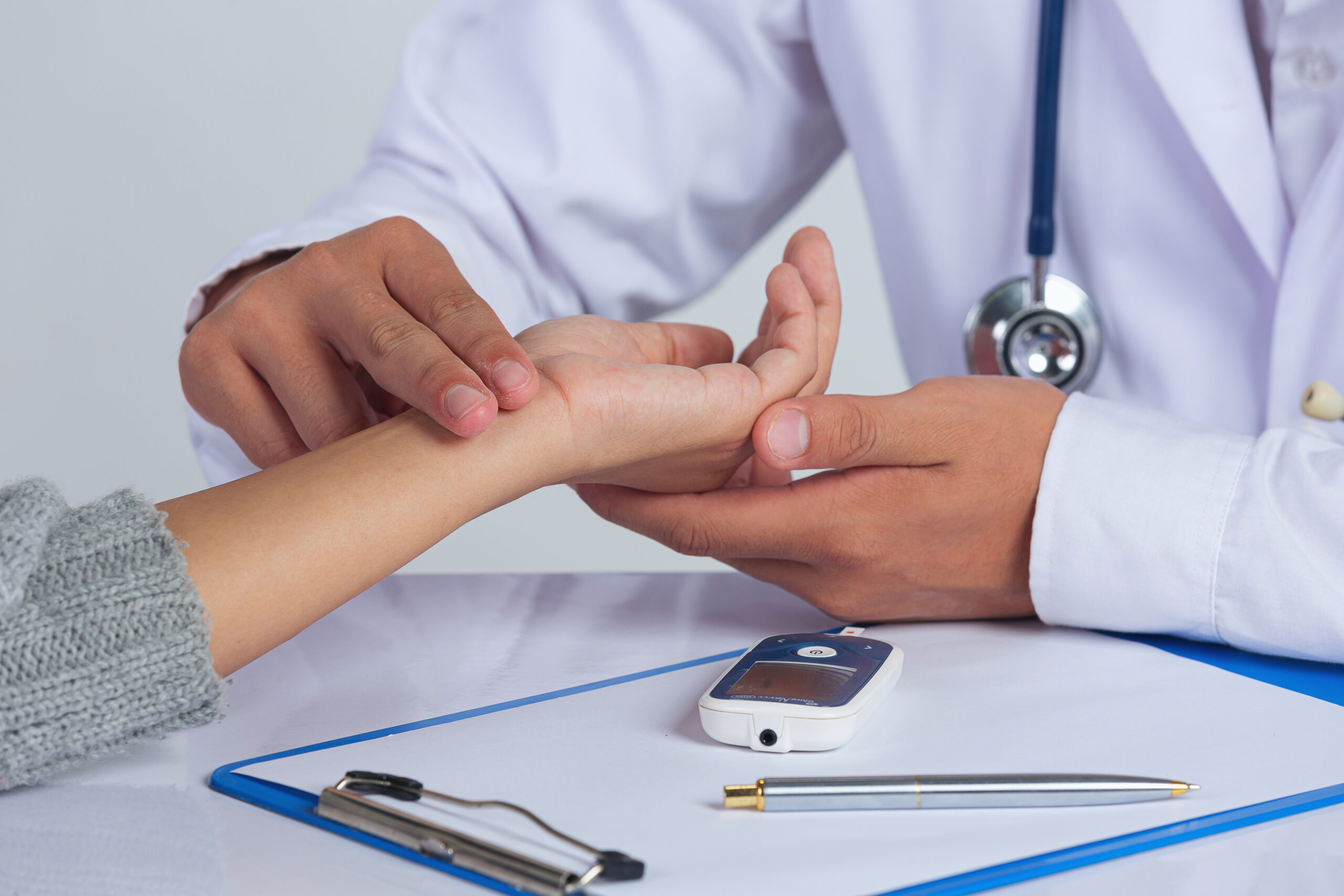
Proper examination distinguishes these conditions. Checking pulses, performing the ankle-brachial index test, and assessing sensation helps determine whether symptoms stem primarily from vascular disease, nerve damage, or both. Many people with diabetes require treatment addressing both conditions.
Why Accurate Diagnosis Matters
Distinguishing between vascular conditions is crucial because treatments differ markedly. Compression stockings help CVI but can be dangerous if you have significant PAD. Blood thinners treat DVT but don’t address PAD blockages. Exercise helps PAD but may worsen symptoms from other conditions. Accurate diagnosis ensures you receive appropriate treatment and avoid therapies that could be harmful.
The conditions also carry different risks and prognoses. PAD indicates generalized atherosclerosis and increased risk of heart attack and stroke. DVT raises concerns about pulmonary embolism. CVI typically doesn’t increase cardiovascular risk but can cause chronic disability from leg swelling and ulcers. Understanding your specific diagnosis helps you and your healthcare team address both immediate symptoms and long-term health.
Understanding peripheral artery disease helps you recognize symptoms and seek appropriate evaluation.
Because PAD, chronic venous insufficiency, deep vein thrombosis, and diabetic neuropathy can produce overlapping symptoms, the evaluation focuses on tests that separate arterial, venous, and nerve-related causes. The ankle-brachial index compares blood pressure at the ankle and the arm and provides objective evidence of reduced arterial flow when PAD is present. Duplex ultrasound visualizes blood moving through both arteries and veins, helping identify arterial blockages as well as venous reflux or clots. When nerve symptoms predominate, sensory examination and, in some cases, nerve testing help establish whether neuropathy is contributing.
A careful evaluation ensures the diagnosis is right before treatment begins. At Seamless Medical Centers, that assessment includes an unhurried review of symptoms and history, a pulse and skin examination, and ultrasound imaging, with direct access to the physician throughout.
Frequently Asked Questions
Q1. Can these conditions occur together?
Yes. It is possible to have arterial disease alongside venous insufficiency, and the two are sometimes present in the same leg. This is one reason a careful evaluation matters, because a treatment chosen for one condition can be inappropriate when the other is also present. Testing that looks at both arterial and venous flow helps clarify the full picture before any treatment begins.
Q2. Which symptoms point to an artery problem rather than a vein problem?
Arterial disease tends to cause pain with walking that eases with rest, cold or pale feet, and wounds on the toes or pressure points, while venous problems more often cause swelling, aching that worsens with prolonged standing, and skin changes around the inner ankle. Because these can overlap, objective testing is the most reliable way to tell them apart.
Q3. Can leg swelling be a sign of PAD?
Swelling is more often linked to venous problems or a deep vein clot than to PAD, which tends to cause pain with walking, cold or pale feet, and slow-healing wounds. Because swelling can have several causes, an evaluation that checks both arterial and venous flow helps identify what is driving your symptoms.
Getting the Right Diagnosis
If you’re experiencing leg pain, swelling, skin changes, or other symptoms suggesting vascular disease, comprehensive evaluation determines the cause. This includes reviewing your medical history, assessing symptoms and their patterns, performing physical examination, and conducting appropriate testing such as ankle-brachial index, ultrasound, or other imaging studies.
For questions about leg symptoms or vascular conditions, contact Seamless Medical Centers to schedule an evaluation with Dr. Bhatti. Accurate diagnosis leads to effective treatment and better outcomes.
Phone: 409-213-9575
Address: 3300 Jimmy Johnson Blvd, Suite #130, Port Arthur, Texas 77642
Why Choose Seamless Medical Centers?
- Minimally Invasive: Most procedures require only a small incision and are performed as outpatient services.
- Expert Care: Board-certified interventional radiologists with extensive training and experience.
- Faster Recovery: Less downtime compared to traditional surgery, getting you back to your life sooner.
- Advanced Technology: State-of-the-art imaging and treatment equipment for precise, effective care.
- Patient-Centered: Personalized treatment plans tailored to your unique needs and goals.