Houston has a lot to offer — walking through Hermann Park, browsing the Museum District, catching a game at Minute Maid Park, exploring Discovery Green, navigating the Galleria on a busy Saturday. But if leg pain, cramping, or fatigue is limiting how far you can walk before needing to stop and rest, these everyday Houston experiences have started to feel inaccessible. And you’ve probably told yourself it’s just getting older.
Leg pain that comes on consistently with walking a specific distance and resolves with rest is not simply aging. It is one of the most recognizable symptoms of peripheral artery disease — a condition caused by narrowed arteries that restricts blood flow to the legs during activity. PAD is treatable, and restoring adequate blood flow can restore the walking capacity that has been quietly disappearing.
At Seamless Medical Centers, Dr. Zagum Bhatti, Board-Certified Interventional Radiologist, evaluates and treats PAD for Houston-area patients from Katy, Sugar Land, Pearland, League City, Friendswood, and communities across Harris County. Houston-area patients are seen at our Port Arthur office. Houston PAD service. Port Arthur PAD service.
The Activities Houston Patients Report Losing First
PAD restricts walking in a very specific way: there is a predictable distance or time threshold before the cramping and aching force a stop. Early in the disease, this threshold may be a mile. As it progresses, it can become several blocks, then a single block, then the walk from the parking lot. For Houston patients, the activities that go first are typically those involving the most walking: sports events at Toyota Center or Minute Maid Park, full park visits at Memorial Park or Buffalo Bayou, and shopping trips to the Galleria or Heights boutiques.
The adaptation is gradual and invisible. Patients stop going to certain events, park differently, rely on family members to handle errands. Life reorganizes around the limitation without the limitation ever being named. Recognizing the reorganization — and asking what is causing it — is often the first step toward evaluation.
What PAD Evaluation Involves
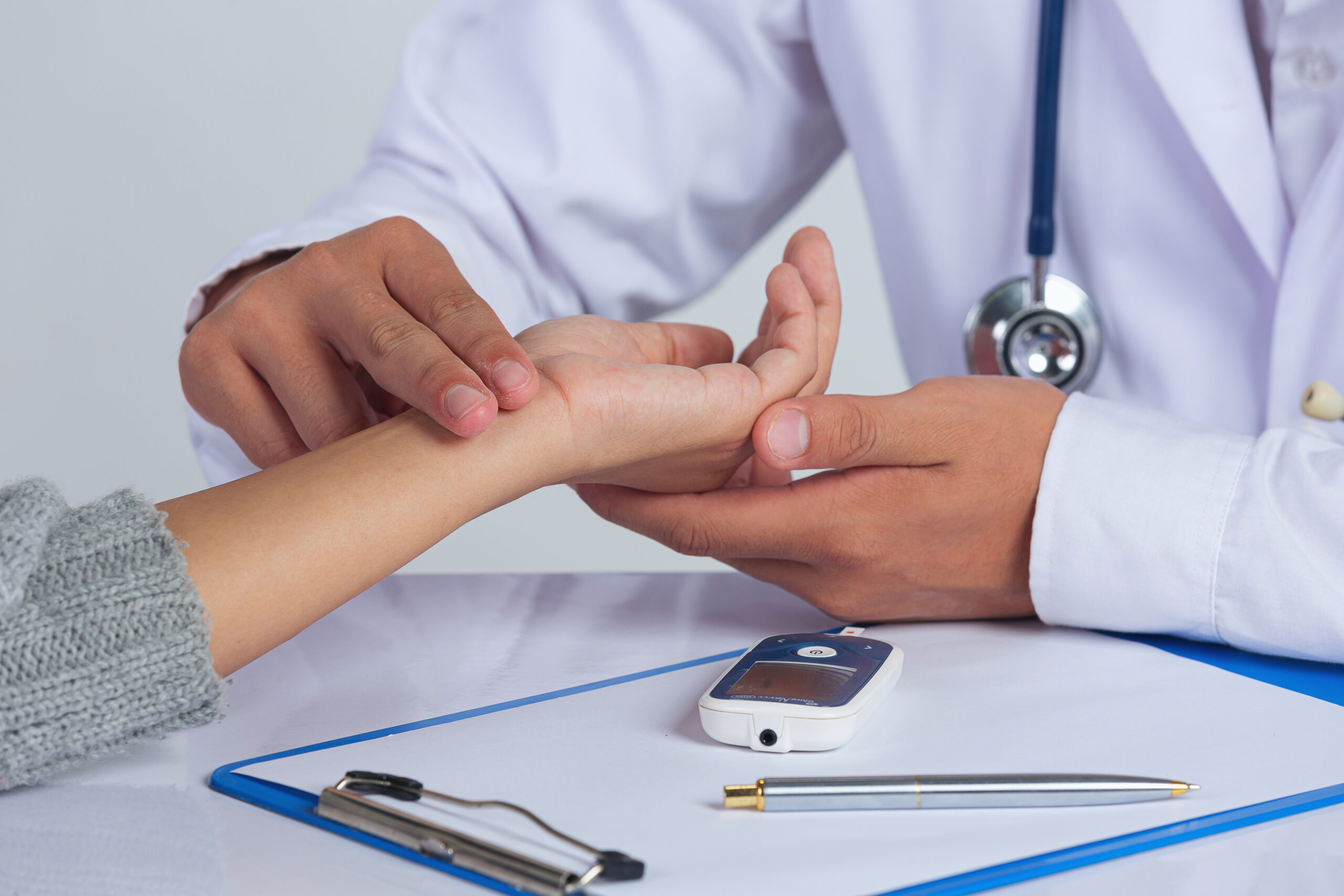
Evaluation begins with the ankle-brachial index — a simple, non-invasive blood pressure comparison between the ankle and arm that takes minutes and provides immediate information about arterial restriction. This is followed by imaging if indicated to map the specific locations of blockages and plan treatment. Learn about claudication and the PAD symptom pattern and PAD treatment options from lifestyle to procedures.
Protecting Your Heart While You Treat Your Legs
Peripheral artery disease is rarely confined to the legs. The same atherosclerosis that narrows the leg arteries tends to affect the arteries supplying the heart and brain, which is why a PAD diagnosis is associated with a higher risk of heart attack and stroke. The practical implication is reassuring: the steps that treat PAD, including stopping smoking, controlling cholesterol and blood pressure, managing diabetes, and staying active, are the same ones that protect the rest of the cardiovascular system. Restoring your walking ability and protecting your heart are part of the same effort.
Moving From Diagnosis to Treatment
Evaluation is straightforward and begins with the ankle-brachial index, a painless blood-pressure comparison between the ankle and the arm that provides immediate information about arterial flow. If it points to PAD, duplex ultrasound and, when treatment is being planned, CT or MR angiography map the blockages in detail. When a procedure is warranted, Dr. Bhatti treats PAD with minimally invasive techniques, including angioplasty, stenting, and atherectomy, performed through a small puncture under conscious sedation.
These are outpatient procedures: most patients are observed for a few hours and return home the same day, then resume light activity within days, often noticing improved walking comfort soon after circulation is restored. Houston-area patients are seen at the Port Arthur office, and most insurance plans, including Medicare and Medicaid, cover medically necessary PAD care, with the practice handling verification and pre-authorization.
Because PAD progresses quietly, the walking activities people lose first, a full visit to a park, a walk through a museum, an afternoon at a ballgame, are often the clearest early sign that something beyond ordinary aging is at work. Recognizing that pattern and getting evaluated keeps more options open and produces the best outcomes.

Are You a Candidate for PAD Treatment?
If you answer "yes" to any of these questions, you may be a candidate for this treatment.
Call Now — (409) 213-9575Question 1 of 4
Have you been diagnosed with Peripheral Artery Disease (PAD) by a doctor?
Prefer to talk? Call (409) 213-9575
Your information is protected under HIPAA. We will never share your data.
How PAD Quietly Narrows Daily Life
PAD rarely announces itself. Instead, it narrows the radius of daily life one activity at a time. Early on, the threshold might be a mile, then several blocks, then a single block, then the walk from the parking lot. Because the change is gradual, people adapt without noticing, dropping the longest-walking activities first: a full afternoon at a park, a stroll through a museum, an evening that involves a lot of standing and walking. Naming what is happening, and recognizing that it is not simply age, is often the first step toward getting it addressed.
The reassuring part is that the walking capacity lost to PAD is frequently recoverable. Structured exercise can extend it, and when circulation is the limiting factor, restoring blood flow often brings noticeable improvement within weeks. The sooner the pattern is recognized, the more can typically be regained.
Taking the First Step
If leg pain, cramping, or fatigue has been quietly shrinking what you can do, a simple evaluation can determine whether reduced circulation is responsible. The ankle-brachial index takes only minutes and is painless, and it provides a clear answer about whether the arteries are involved. From there, treatment, if needed, can be matched to how much the disease is affecting your life, with the goal of returning you to the activities that PAD has been quietly taking away.
Why It Is Worth Acting Now
It is easy to postpone an evaluation for something that has come on slowly and that you have learned to work around. But peripheral artery disease tends to progress when left unaddressed, and the walking threshold that is several blocks today can become a single block over time. Acting earlier rather than later matters for two concrete reasons: treatment tends to be more effective and the limb more easily protected before the disease reaches its advanced stages, and the activities you have given up are more readily regained when circulation is restored sooner.
There is also the broader picture. Because PAD reflects atherosclerosis throughout the body, getting evaluated is not only about walking comfort; it is an opportunity to recognize and manage a higher risk of heart attack and stroke. Far from being an overreaction, looking into persistent leg symptoms is one of the more practical things a person can do for both mobility and long-term health.
The activities that make life in and around Houston enjoyable, from a long walk in a park to an afternoon on your feet at an event, are worth protecting. When leg pain has been quietly shrinking that list, an evaluation offers a way to understand why and, in many cases, to reverse it. Peripheral artery disease is both treatable and an important signal about overall cardiovascular health, so looking into persistent leg symptoms serves two purposes at once. The first step is simple and painless, and it opens the door to a plan aimed at giving you back the mobility that has slipped away.
Frequently Asked Questions
How do I know if my leg fatigue is from PAD or just being out of shape?
The distinguishing feature is the pattern: deconditioning causes generalized fatigue across activity without a predictable threshold. PAD claudication causes specific muscle cramping (usually the calf) that comes on at a consistent walking distance and reliably resolves within minutes of rest. If your leg symptoms follow this pattern, PAD evaluation is appropriate regardless of fitness level.
Can PAD cause fatigue without obvious cramping?
Yes. Some patients describe leg heaviness, tiredness, or a leaden feeling with walking rather than sharp cramping. This can still represent vascular claudication, particularly in patients with diffuse mild arterial disease or in those with diabetes where the classic pain response may be blunted.
If I improve my fitness, will my walking distance improve?
Supervised exercise therapy for claudication can meaningfully improve walking distance by developing collateral circulation and improving muscle efficiency. However, the arterial narrowing itself does not reverse with exercise. If symptoms are limiting daily life despite activity, revascularization restores flow through the narrowed vessels and typically produces more dramatic improvement.
Is PAD connected to heart disease?
Yes. PAD and coronary artery disease share the same underlying cause — atherosclerosis — and frequently coexist. Patients with confirmed PAD have a significantly elevated cardiovascular risk and should be evaluated for cardiovascular disease management alongside their PAD treatment.
Schedule Your Consultation
Houston-area patients are seen at our Port Arthur office. Contact Seamless Medical Centers to schedule. Phone: 409-213-9575. Address: 3300 Jimmy Johnson Blvd, Suite #130, Port Arthur, Texas 77642.
Why Choose Seamless Medical Centers?
- Minimally Invasive: Most procedures require only a small incision and are performed as outpatient services.
- Expert Care: Board-certified interventional radiologists with extensive training and experience.
- Faster Recovery: Less downtime compared to traditional surgery, getting you back to your life sooner.
- Advanced Technology: State-of-the-art imaging and treatment equipment for precise, effective care.
- Patient-Centered: Personalized treatment plans tailored to your unique needs and goals.