
You used to walk through the entire store without thinking about it. Now you plan your route to minimize walking, park close to the entrance, grip the cart for support, and find yourself stopping in the middle of an aisle to rest your legs. The calf cramping and aching that forces you to stop has a name — claudication — and it is a sign of peripheral artery disease that warrants evaluation, not just acceptance.
Claudication is the leg pain that comes on predictably with walking and resolves with rest. It reflects inadequate blood flow to the leg muscles during activity — the arteries are narrowed enough that they can meet the legs’ oxygen needs at rest but cannot increase flow enough to keep pace with walking. The grocery store scenario is one of the most common ways Houston-area patients first describe their functional limitation, because it’s one of the first weekly activities that gets affected.
At Seamless Medical Centers, Dr. Zagum Bhatti, Board-Certified Interventional Radiologist, evaluates and treats PAD for Houston-area patients from Katy, Sugar Land, The Woodlands, Pearland, League City, and communities across Harris County and Fort Bend County. Houston-area patients are seen at our Port Arthur office. Houston PAD service. Port Arthur patients: Port Arthur PAD service.
The Grocery Store Test for Claudication Severity
The distance you can walk before claudication forces you to stop is called your claudication distance, and it is one of the key clinical measures of PAD severity. Patients who can walk two or three grocery store aisles before needing to stop have a different functional limitation than those who can only make it from the parking lot to the entrance. Tracking this — what distance consistently triggers your pain — provides important information for your care team.
Many patients unconsciously shorten their claudication distance over months or years as they adapt. They stop planning long walks, they take scooters at stores, they send family members for errands. The limitation becomes invisible because the life has been reorganized around it. Recognizing this pattern is often the prompt to finally seek evaluation.
For patients in Memorial, Clear Lake, Pasadena, and communities across Houston who have been adapting around leg pain, understanding claudication and PAD clarifies what is happening physiologically and what treatment can accomplish.
What Treatment Can Restore Walking Distance
Supervised exercise therapy for claudication — structured walking programs that progressively push the claudication threshold — can improve walking distance meaningfully by developing collateral circulation and improving muscle efficiency. When exercise alone is insufficient, minimally invasive revascularization procedures (angioplasty and stenting) restore blood flow through narrowed arteries, often producing dramatic improvement in claudication distance within weeks. Read about PAD treatment options for a full breakdown of approaches.
What a PAD Evaluation Involves
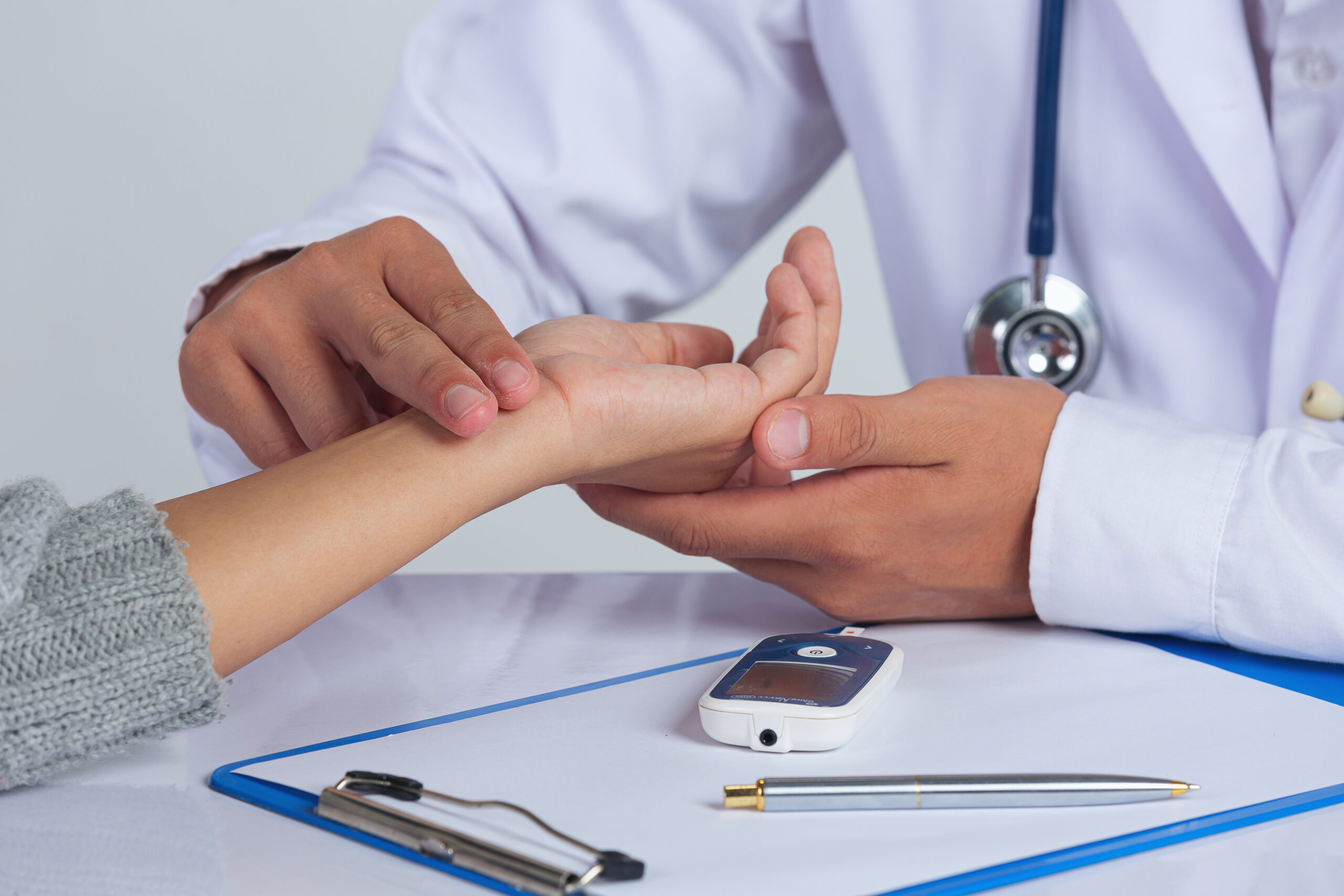
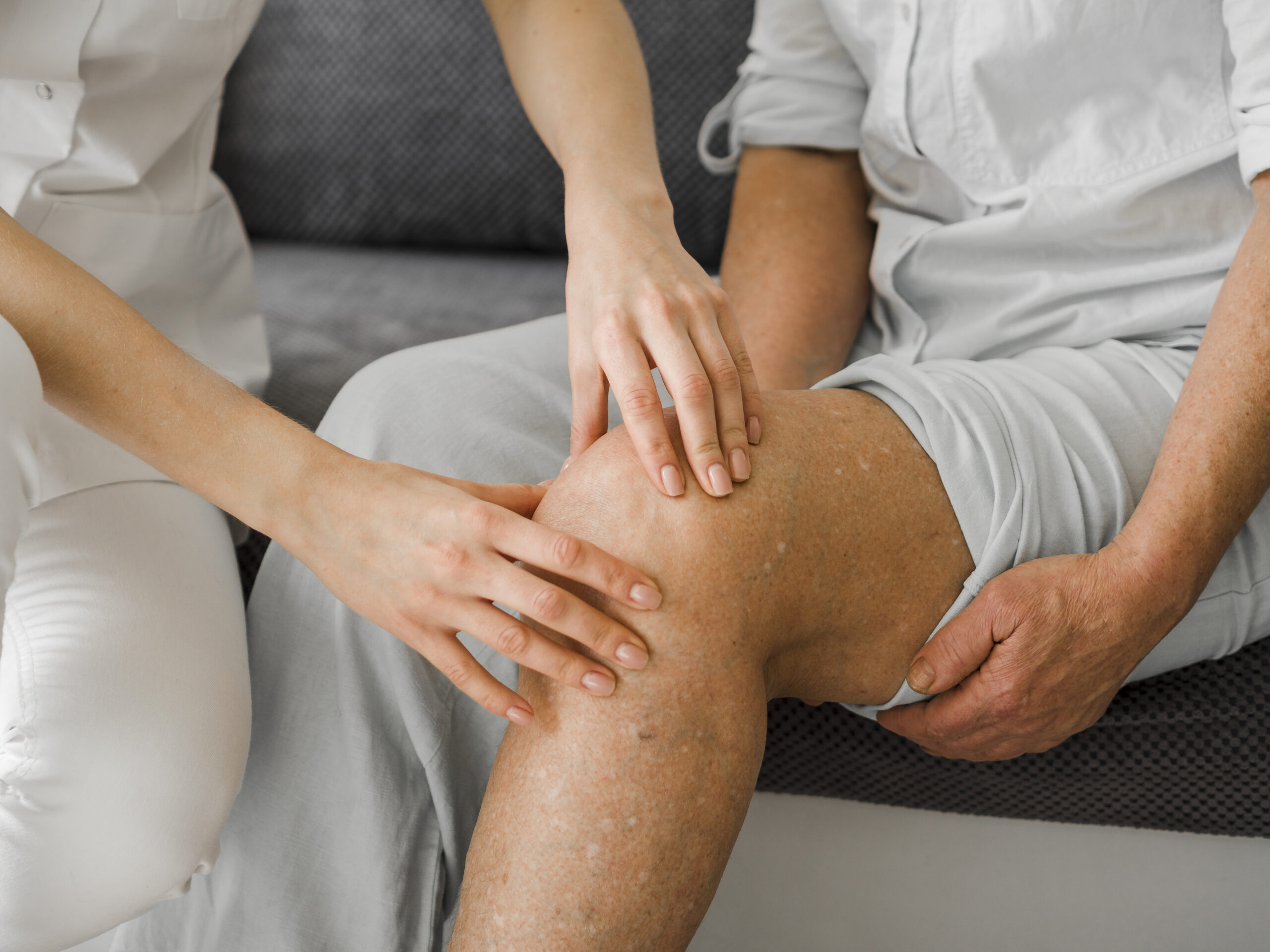
If walking through a store has become a stop-and-rest exercise, a straightforward evaluation can determine whether reduced circulation is the cause. It begins with a conversation about your symptoms and how far you can walk before they start, followed by a check of the pulses and skin in your legs and feet. The ankle-brachial index, a painless comparison of blood pressure at the ankle and the arm, provides objective evidence of reduced flow, and duplex ultrasound can show where arteries are narrowed. When treatment is being planned, more detailed imaging maps the blockages.
At Seamless Medical Centers in Port Arthur, these evaluations are unhurried and patients have direct access to the physician. Houston-area patients are seen at the Port Arthur office, and most insurance plans, including Medicare and Medicaid, cover medically necessary PAD evaluation and treatment, with the practice handling verification and pre-authorization.
Why It Is Worth Getting Evaluated Early
The walking limitation of PAD tends to advance quietly, so the distance you can cover before pain often shrinks gradually over months or years. Many people reorganize their lives around it, parking closer, skipping outings, sending others on errands, without naming what is happening. Recognizing the pattern and getting evaluated early matters for two reasons: treatment is most effective before the disease reaches its advanced stages, and PAD is also a signal of atherosclerosis elsewhere in the body, so addressing it helps protect the heart and brain as well as the legs.

Are You a Candidate for PAD Treatment?
If you answer "yes" to any of these questions, you may be a candidate for this treatment.
Call Now — (409) 213-9575Question 1 of 4
Have you been diagnosed with Peripheral Artery Disease (PAD) by a doctor?
Prefer to talk? Call (409) 213-9575
Your information is protected under HIPAA. We will never share your data.
Smoking, diabetes, high blood pressure, high cholesterol, advancing age, and a family history of vascular disease all raise the likelihood of PAD, and most people who develop it have more than one of these factors. If walking-related leg pain is accompanied by any of them, an evaluation is especially worthwhile.
Recognizing the Pattern Before It Narrows Your World
The most useful thing to track is the consistency of the symptom. Vascular claudication is reproducible: the same walking distance brings it on, and a few minutes of rest reliably relieves it, regardless of how you stand or sit. That predictability is what separates it from arthritis, which is more variable and position-dependent, and from ordinary fatigue, which does not follow a fixed threshold. If your trip through the store ends at roughly the same point each time, that pattern is worth taking seriously.
Left unaddressed, the threshold tends to shrink, and the adaptations grow until walking-based activities quietly disappear from daily life. Recognizing the pattern early, while the claudication distance is still relatively long, keeps the widest range of treatment options open and offers the best chance of preserving and even restoring walking capacity.
What Recovery Looks Like After Treatment
Treatment is matched to severity. For milder symptoms, a structured walking program and risk-factor control, including smoking cessation, can lengthen the distance you walk before pain begins by encouraging collateral circulation. When symptoms limit daily life, minimally invasive procedures performed through a small puncture can reopen the narrowed arteries directly, and most people notice improved walking comfort within days. Because these procedures are outpatient, most patients return home the same day.
Small Signs Worth Noticing
The grocery-store pattern is often the most obvious sign, but it rarely appears alone. Many people also notice that one foot feels colder than the other, that the skin on the lower legs has become shiny or lost hair, that toenails grow more slowly, or that small cuts on the feet are slow to heal. None of these is dramatic on its own, which is why they are easy to dismiss, but together with walking-related cramping they strengthen the case for an evaluation.
Paying attention to these quieter signals can move the timeline forward, prompting an evaluation before the walking limitation becomes severe. Because PAD is most treatable in its earlier stages, noticing and acting on these small signs is genuinely worthwhile rather than alarmist, and it gives any treatment the best chance of preserving your mobility.
If the trip through the store has quietly become a series of stops, that change is worth a conversation rather than a workaround. The pattern points to something specific and treatable, and identifying it early tends to make treatment simpler and more effective. Whether the answer turns out to be a structured walking program, medication, a minimally invasive procedure, or a combination, the first step is the same: a short, painless evaluation that establishes whether reduced circulation is the cause. From there, the goal is straightforward, returning you to the everyday activities, including a full trip through the store, that the leg pain has been taking away.
Frequently Asked Questions About Claudication and Daily Activities
How do I know if my leg pain is claudication and not arthritis or a muscle issue?
The key distinguishing feature of vascular claudication is its predictability: it comes on at a consistent walking distance and reliably resolves within minutes of rest, regardless of position. Arthritis pain is joint-centered and more variable. Muscle strains improve with rest over days, not minutes. If your leg pain follows the activity-rest-relief pattern consistently, claudication is a strong possibility worth evaluating.
Is it dangerous to push through claudication and keep walking?
Supervised exercise therapy for claudication actually involves walking to the point of discomfort, resting briefly, and resuming — this is therapeutic and helps develop collateral circulation. Casual walking through claudication pain is not dangerous. However, exercising with severe rest pain or non-healing wounds is different and should be done only with medical guidance.
Can PAD get better on its own?
PAD does not reverse on its own. Lifestyle modifications can slow progression and supervised exercise can improve functional capacity, but the arterial narrowing causing claudication requires either exercise therapy to adapt around it or revascularization to restore flow through it. Without intervention, PAD tends to progress over time.
How are Houston patients served for PAD evaluation?
Houston-area patients are seen at the Seamless Medical Centers Port Arthur office. Visit the Houston PAD service page for scheduling details.
Schedule Your Consultation
Houston-area patients are seen at our Port Arthur office. Contact Seamless Medical Centers to schedule. Phone: 409-213-9575. Address: 3300 Jimmy Johnson Blvd, Suite #130, Port Arthur, Texas 77642.
Why Choose Seamless Medical Centers?
- Minimally Invasive: Most procedures require only a small incision and are performed as outpatient services.
- Expert Care: Board-certified interventional radiologists with extensive training and experience.
- Faster Recovery: Less downtime compared to traditional surgery, getting you back to your life sooner.
- Advanced Technology: State-of-the-art imaging and treatment equipment for precise, effective care.
- Patient-Centered: Personalized treatment plans tailored to your unique needs and goals.