Uterine fibroids are a common health concern affecting many women, often during their reproductive years. While some fibroids remain asymptomatic, others can significantly impact daily life through pain, pressure, and heavy menstrual bleeding. For women in Louisiana exploring advanced and less invasive care, understanding available options is essential.
Seamless Medical Centers offers guidance on fibroid treatment in Louisiana with a focus on uterine preservation, highlighting uterine fibroid embolization and other non-surgical approaches. This resource is designed to help women make informed decisions based on symptoms, lifestyle, and long-term health goals.
Understanding Uterine Fibroids
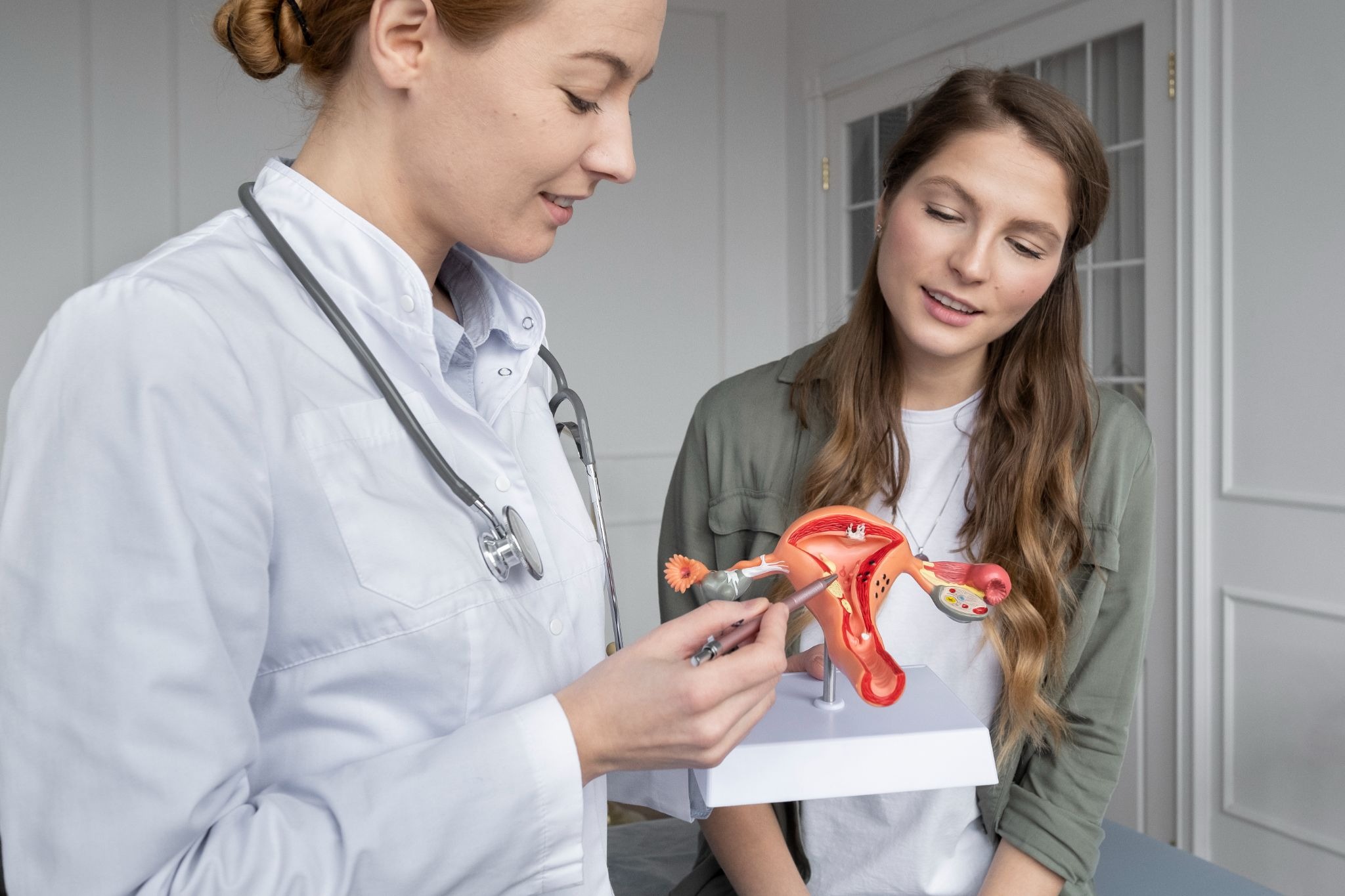
Uterine fibroids are noncancerous growths that develop in or around the uterus. They vary in size, number, and location, and symptoms can differ widely from one person to another.
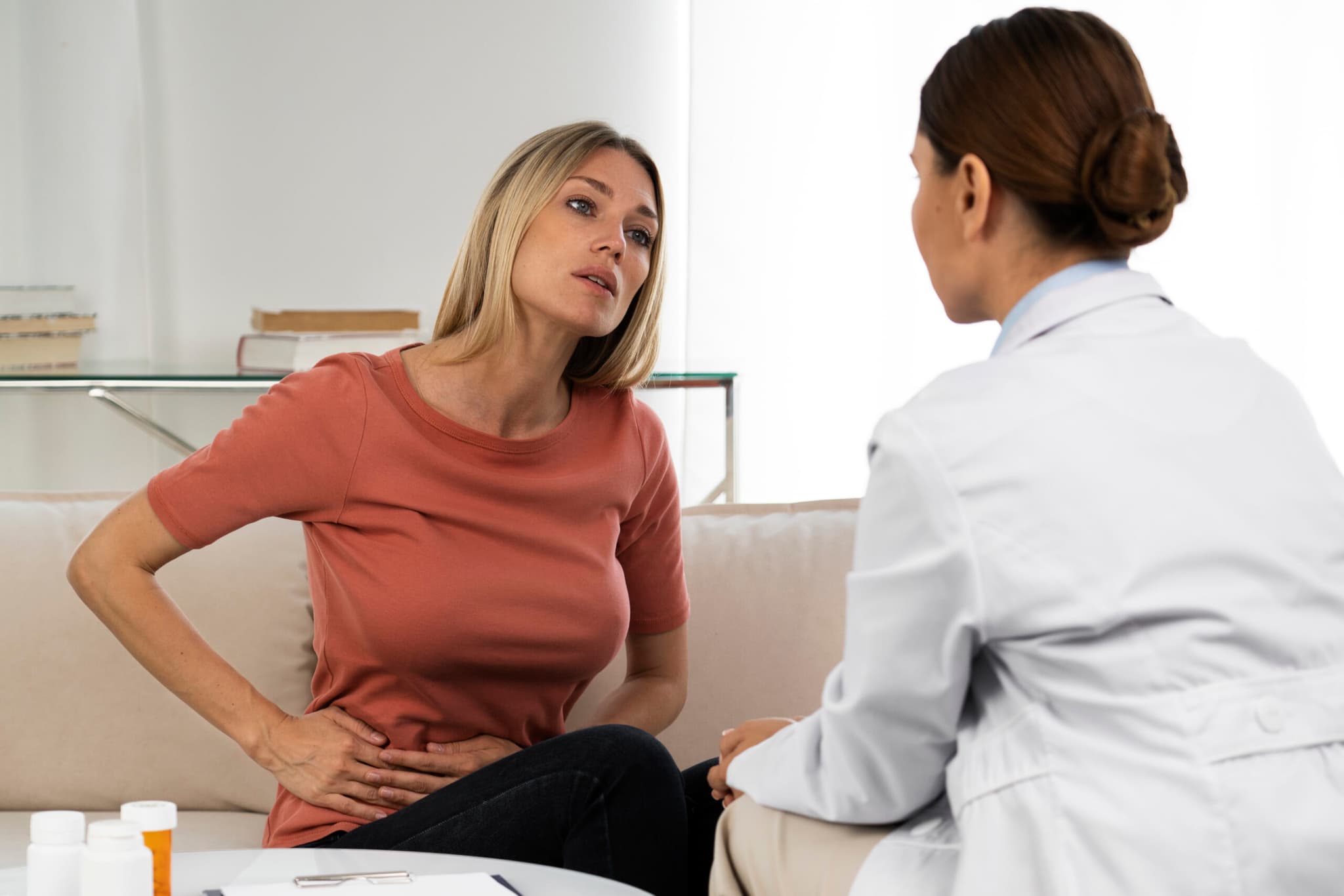
Common symptoms of fibroids
- Heavy or prolonged menstrual bleeding
- Pelvic pain or pressure
- Frequent urination
- Pain during intercourse
- Lower back discomfort
In many cases, women seek treatment for heavy bleeding during periods when fibroids begin to interfere with normal routines or cause anemia.
Why Treatment May Be Necessary
Not all fibroids require immediate intervention. However, treatment becomes important when symptoms affect quality of life or reproductive health.
Key reasons to consider treatment
- Persistent menorrhagia or heavy bleeding
- Rapid fibroid growth
- Fertility concerns
- Chronic pelvic discomfort
- Pressure on surrounding organs
For women researching menorrhagia treatment in Louisiana, identifying the root cause is the first step toward effective care.
Overview of Fibroid Treatment Options in Louisiana
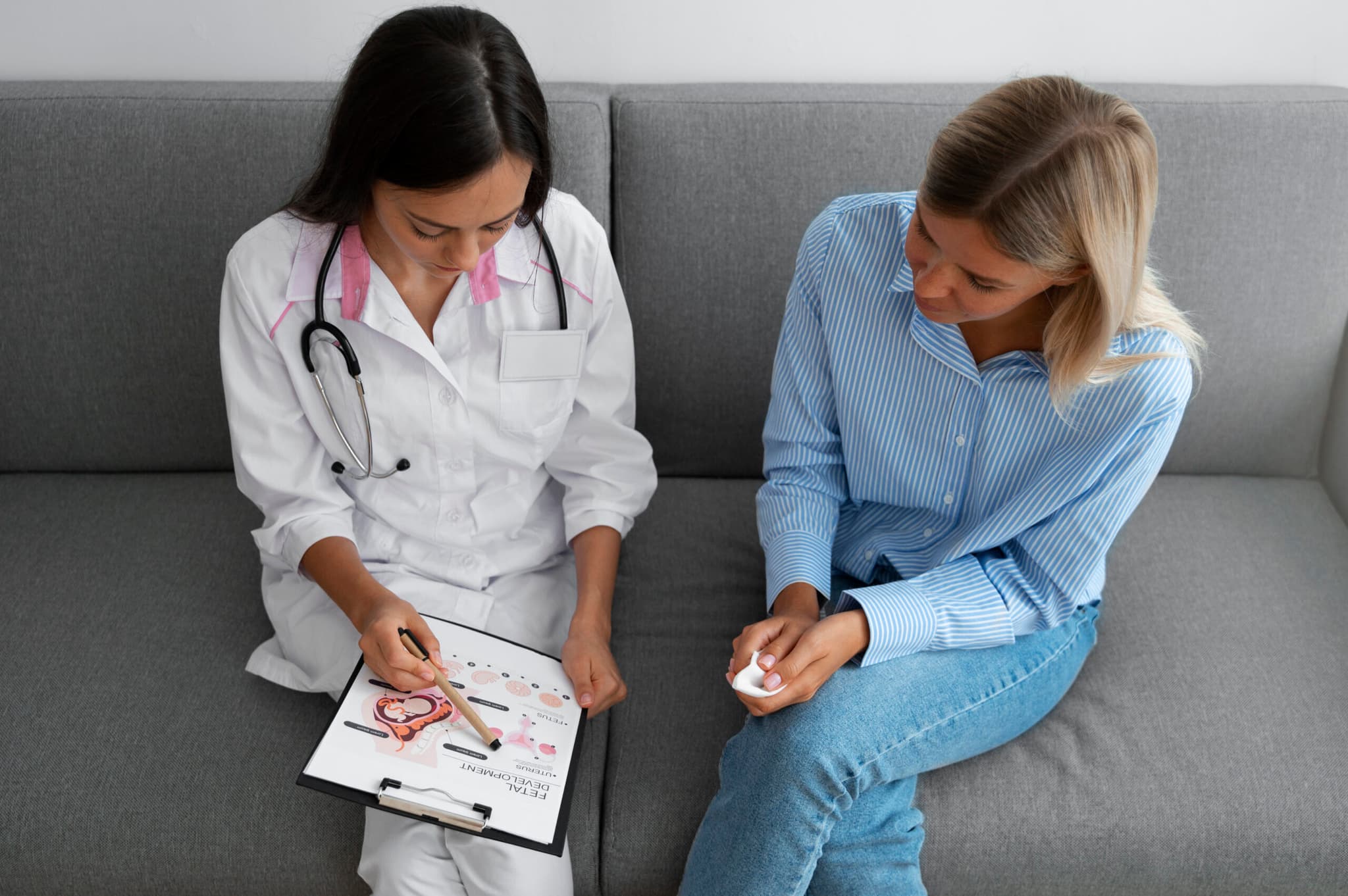
There are multiple approaches to fibroid management, ranging from medication to surgery. The right choice depends on factors such as age, symptoms, fibroid size, and future pregnancy plans.
Comparison of treatment options
| Treatment Type | Procedure Type | Recovery Time | Uterus Preserved | Best For |
| Medication | Non-invasive | Minimal | Yes | Mild symptoms |
| Myomectomy | Surgical | Moderate | Yes | Fertility preservation |
| Hysterectomy | Surgical | Longer | No | Severe cases |
| Uterine Fibroid Embolization | Minimally invasive | Short | Yes | Symptomatic fibroids |
For many women seeking fibroid treatment without surgery in Louisiana, minimally invasive procedures are becoming a preferred option.
What Is Uterine Fibroid Embolization
Uterine fibroid embolization, often referred to as UFE, is a minimally invasive procedure performed by interventional radiologists. It works by blocking the blood supply to fibroids, causing them to shrink over time.
How the procedure works
- A small catheter is inserted through the groin or wrist
- Tiny particles are delivered to fibroid blood vessels
- Blood flow to fibroids is reduced
- Fibroids gradually shrink and symptoms improve
This approach is widely recognized as a non surgical fibroid treatment in Louisiana, particularly for women who want to avoid major surgery.
Benefits of Uterine Fibroid Embolization
UFE offers several advantages, especially for women focused on preserving uterine health.
Key benefits
- Minimally invasive with no large incisions
- Shorter recovery time compared to surgery
- Preservation of the uterus
- Effective reduction in heavy bleeding
- Improvement in bulk-related symptoms
For individuals seeking uterine fibroid embolization in Louisiana, understanding these benefits can help in evaluating whether the procedure aligns with personal health goals.
Who May Be a Good Candidate
Not all patients are ideal candidates for every treatment. UFE is generally suitable for women who:
- Experience moderate to severe symptoms
- Prefer a non-surgical approach
- Want to retain their uterus
- Have multiple fibroids
A detailed consultation and imaging evaluation are typically required to determine eligibility.
Addressing Heavy Menstrual Bleeding

Are You a Candidate for UFE?
If you answer "yes" to any of these questions, you may be a candidate for this treatment.
Call Now — (409) 213-9575Your information is protected under HIPAA. We will never share your data.
Heavy menstrual bleeding, also known as menorrhagia, is one of the most common reasons women seek care for fibroids.
Impact of heavy bleeding
- Fatigue due to anemia
- Disruption of daily activities
- Emotional stress
- Reduced quality of life
Effective heavy bleeding in periods treatment often involves addressing the underlying fibroids rather than only managing symptoms.
Non-Surgical Fibroid Treatment Options
While uterine fibroid embolization is a leading option, there are additional non-surgical approaches that may be considered depending on the case.
Other options include
- Hormonal therapies
- Tranexamic acid for bleeding control
- Lifestyle and dietary adjustments
However, these methods may provide temporary relief rather than long-term resolution, especially for larger fibroids.
Recovery and What to Expect
Recovery after uterine fibroid embolization is typically quicker than traditional surgery.
Post-procedure expectations
- Mild to moderate cramping for a few days
- Return to normal activities within one to two weeks
- Gradual symptom improvement over several months
Patients are usually monitored through follow-up visits and imaging to assess fibroid shrinkage.
Choosing the Right Fibroid Treatment in Louisiana
Selecting the appropriate treatment requires a balanced understanding of medical needs and personal preferences.
Factors to consider
- Severity of symptoms
- Desire for future pregnancy
- Size and number of fibroids
- Recovery time expectations
- Access to specialized care
Women exploring fibroid treatment in Louisiana are encouraged to seek comprehensive evaluations to better understand all available options.
Role of Specialized Care
Access to experienced specialists plays an important role in treatment outcomes. Interventional approaches such as uterine fibroid embolization and spinal neuromodulation therapy require expertise in image-guided and minimally invasive procedures. Reliable information, accurate diagnosis, and individualized care planning contribute to better decision-making and improved long-term health outcomes.
Conclusion
Fibroid treatment has evolved significantly, offering women more choices than ever before. For those seeking to preserve uterine health, uterine fibroid embolization provides a minimally invasive alternative to traditional surgery.
Understanding the full range of options, including fibroid treatment without surgery in Louisiana, allows women to make informed decisions that align with their health goals and lifestyle. Careful evaluation and guidance from qualified professionals remain essential in choosing the most appropriate path forward. Contact us today to schedule a consultation and explore the best treatment options for you.
Frequently Asked Questions
Q1. Is uterine fibroid embolization safe
Uterine fibroid embolization is considered a safe and effective procedure for many women. Like all medical treatments, it carries some risks, but complications are relatively uncommon when performed by trained specialists.
Q2. Can fibroids return after embolization
Fibroids that are treated typically shrink and do not regrow. However, new fibroids may develop over time in some patients.
Q3. How quickly will symptoms improve
Some symptoms, such as heavy bleeding, may improve within the first few cycles. Others, like pelvic pressure, may take a few months as fibroids shrink.
Q4. Is this a good option for treating heavy periods
Yes, uterine fibroid embolization is often used as a heavy bleeding in periods treatment, especially when fibroids are the underlying cause.
Q5. Are there completely non-surgical options available
Yes, several non surgical fibroid treatment options in Louisiana exist, including medications and minimally invasive procedures like embolization.
Q6. Will I need to stay in the hospital
Most embolization procedures are performed as outpatient or short-stay procedures, depending on the patient, depending on individual circumstances.
Why Choose Seamless Medical Centers?
- Minimally Invasive: Most procedures require only a small incision and are performed as outpatient services.
- Expert Care: Board-certified interventional radiologists with extensive training and experience.
- Faster Recovery: Less downtime compared to traditional surgery, getting you back to your life sooner.
- Advanced Technology: State-of-the-art imaging and treatment equipment for precise, effective care.
- Patient-Centered: Personalized treatment plans tailored to your unique needs and goals.