
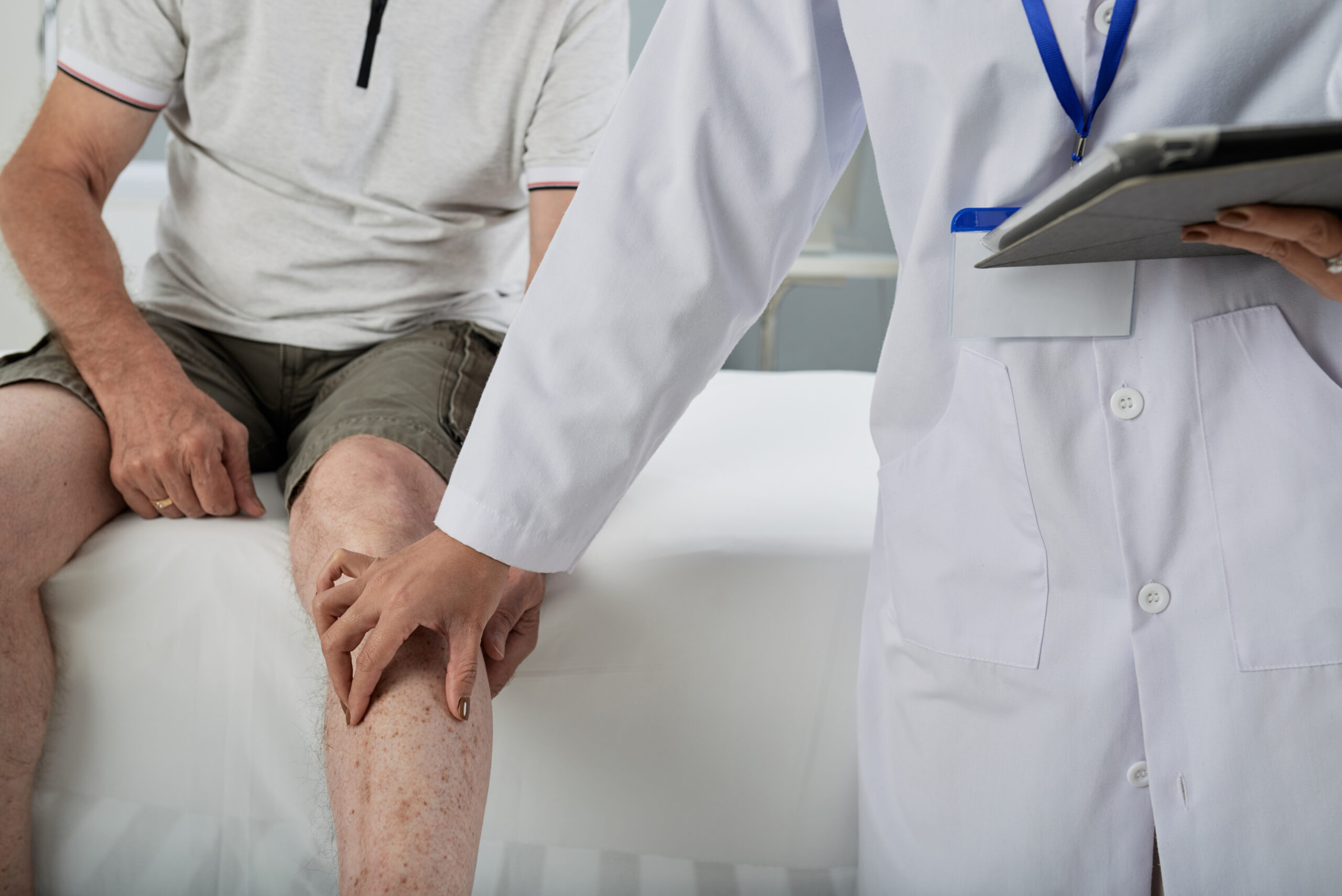
Knee Pain Treatment has advanced beyond pills, braces, and repeated injections. If you live with long-lasting knee pain and inflammation from osteoarthritis, genicular artery embolization (GAE) may offer a minimally invasive, non-surgical option. It aims to reduce pain while preserving your natural knee joint.
Many people try physical therapy, anti-inflammatory medications, or steroid injections first. However, these options may not provide lasting relief. In that case, Knee Pain Treatment that targets the source of inflammation can be worth discussing with a specialist.
Knee pain treatment for chronic pain and osteoarthritis
Chronic knee pain is commonly linked to osteoarthritis. Over time, knee cartilage wears down, which increases friction inside the joint. As a result, swelling, stiffness, and pain often become more frequent and more limiting.
Effective Knee Pain Treatment usually focuses on two goals. First, it reduces inflammation. Second, it improves function so you can walk, climb stairs, and stay active with less discomfort.
What is Genicular Artery Embolization
Genicular artery embolization is a minimally invasive procedure that targets tiny blood vessels supplying inflamed tissue around the knee. A specialist uses imaging guidance to place a small catheter and deliver microscopic particles. These particles reduce abnormal blood flow that fuels chronic inflammation.
If you want to learn more about this option, you can review genicular artery embolization. It is increasingly recognized as a modern Knee Pain Treatment for people seeking alternatives to surgery.
How the procedure works
The process starts with an evaluation and imaging to locate the inflamed areas. Next, the provider inserts a catheter through a small access point and guides it to the genicular arteries near the knee. This step is done with real-time imaging for precision.
Once positioned, the specialist releases tiny embolic particles to reduce blood flow to the inflamed tissue. Over time, inflammation can decrease, which may lower pain and improve mobility. Because this is a catheter-based treatment, recovery is often faster than traditional surgery.
Why targeting inflammation matters
Many traditional approaches focus on symptom control only. GAE aims to address a key driver of osteoarthritis pain: ongoing inflammation supported by increased blood flow. Therefore, it can be a useful addition to a complete plan for chronic knee pain management.
Benefits of genicular artery embolization for knee pain treatment
GAE is designed for people who want pain relief without major surgery. It may be especially appealing if you want to stay active and avoid long recovery periods.
- Minimally invasive approach with no major incision
- Targeted reduction of knee inflammation
- Shorter recovery time compared to many surgical options
- Potential improvement in walking comfort, daily function, and quality of life
For many patients, this Knee Pain Treatment can complement other non-surgical strategies such as exercise therapy, weight management, and lifestyle changes.
Comparing GAE with traditional knee pain treatment options
Common chronic knee care may include physical therapy, anti-inflammatory medication, braces, activity modification, and injections. These can help, but some people still experience persistent symptoms.
GAE differs because it addresses the vascular component of inflammation. In other words, it targets a biological pathway that standard therapies may not fully address. As a result, it can be considered when conventional osteoarthritis treatments have not worked well enough.
Who is a candidate for this knee pain treatment
Not everyone is a good fit for GAE. It is often considered for people with osteoarthritis who still have moderate to severe pain despite conservative care. A full medical evaluation is necessary to confirm suitability and safety.
Potential candidates often include:
- Adults with ongoing knee pain affecting daily activities

Are You a Candidate for GAE?
If you answer "yes" to any of these questions, you may be a candidate for this treatment.
Call Now — (409) 213-9575Question 1 of 3
In the past 48 hours, have you had moderate to severe knee pain?
Prefer to talk? Call (409) 213-9575
Your information is protected under HIPAA. We will never share your data.
Managing knee inflammation, swelling, and pain
Inflammation can lead to swelling, stiffness, and reduced range of motion. That combination makes everyday movement harder and can reduce confidence in the knee. Knee Pain Treatment that reduces inflammation may also reduce swelling and improve comfort during walking and standing.
Because GAE targets blood flow to inflamed tissue, it may help address both pain and swelling. Additionally, it can support better knee function over time, especially when paired with a guided rehabilitation plan.
Recovery and expected outcomes
Most patients experience a relatively quick recovery compared to surgical procedures. Mild soreness can occur early on, but many people return to routine activities within a short period. Improvement often develops gradually as inflammation decreases.
Outcomes vary based on osteoarthritis severity, overall health, and treatment response. Regular follow-up helps track progress and adjust your overall Knee Pain Treatment plan if needed.
Why an expert evaluation is important
A specialist assessment is essential for accurate diagnosis and the right treatment choice. It also helps rule out other causes of knee pain and confirms whether GAE is appropriate for your situation.
To understand the team and approach behind these services, visit the about Us. A careful evaluation supports better outcomes and safer care.
When to consider advanced knee pain treatment
It may be time to consider advanced options if pain remains persistent, mobility is declining, or inflammation continues despite standard therapies. Earlier action can also help protect function and reduce the impact on daily life.
Discussing next-step Knee Pain Treatment options with a specialist can clarify whether GAE or another minimally invasive procedure fits your goals.
Get started with knee pain treatment
If chronic knee pain is limiting your lifestyle, consider scheduling a consultation to review your options. A provider can determine whether genicular artery embolization may be a good match for your condition and medical history.
Ready to take the next step? Visit the contact Us to request an evaluation and learn more about available care.
Conclusion
Knee Pain Treatment is entering a new phase with minimally invasive options like genicular artery embolization. By focusing on inflammation at its source, GAE may provide meaningful relief for people with osteoarthritis who want to avoid surgery.
With the right evaluation and plan, patients may experience reduced pain, less swelling, and improved mobility. Exploring modern Knee Pain Treatment options can be a practical step toward better long-term joint health.
Frequently Asked Questions
Q1. What is knee pain treatment using embolization?
It is a minimally invasive procedure that reduces inflammation by targeting specific blood vessels around the knee.
Q2. Who may benefit from genicular artery embolization?
People with osteoarthritis and ongoing knee pain who have not improved with standard treatments may be candidates.
Q3. Is genicular artery embolization safe?
It is generally considered safe when performed by trained specialists and when patients are properly evaluated.
Q4. How long does recovery take?
Recovery is often shorter than surgery. Many patients return to normal routines within days, depending on individual factors.
Q5. When should I consider this knee pain treatment?
Consider it when pain, swelling, or limited mobility persists despite physical therapy, medication, or injections.
Why Choose Seamless Medical Centers?
- Minimally Invasive: Most procedures require only a small incision and are performed as outpatient services.
- Expert Care: Board-certified interventional radiologists with extensive training and experience.
- Faster Recovery: Less downtime compared to traditional surgery, getting you back to your life sooner.
- Advanced Technology: State-of-the-art imaging and treatment equipment for precise, effective care.
- Patient-Centered: Personalized treatment plans tailored to your unique needs and goals.