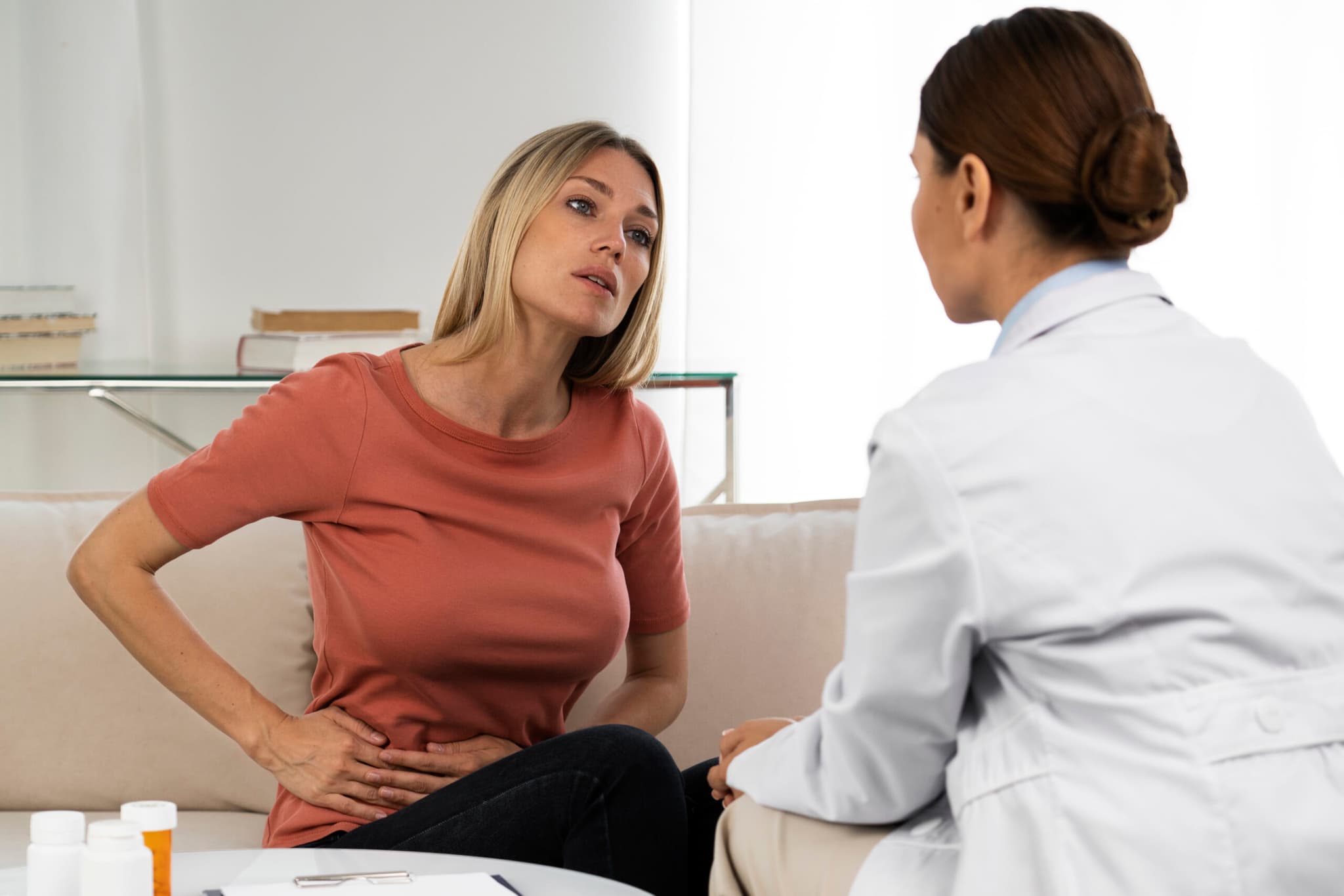
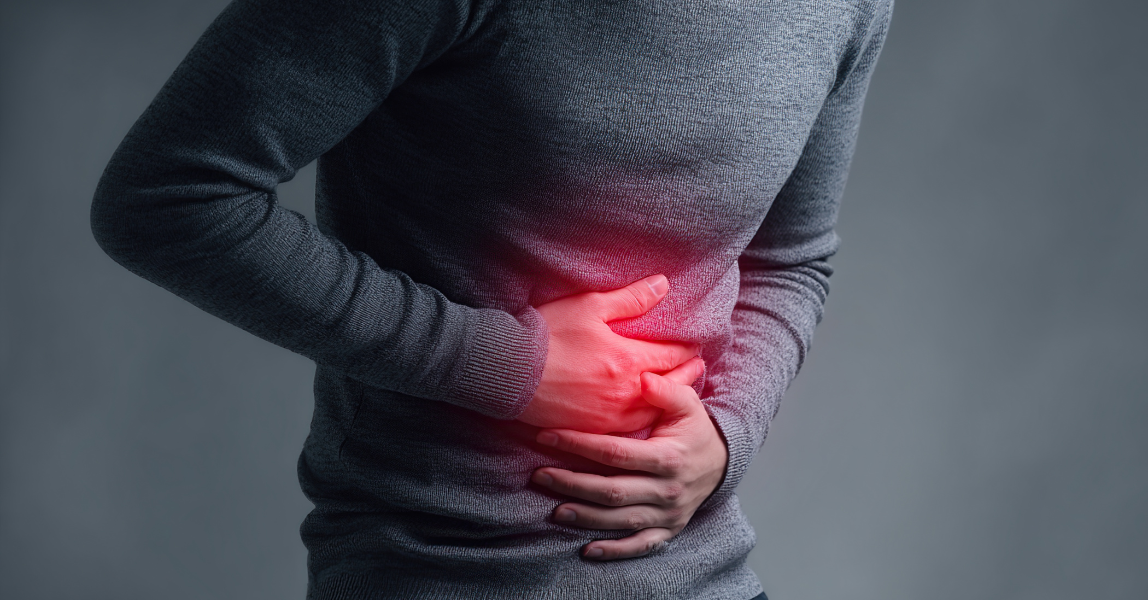
Pelvic pain usually presents as discomfort or pain in the lower abdomen or pelvic region, and for many, it’s more than just physical pain.
Importantly, it can disrupt daily routines, affect work and relationships, and leave people feeling worried, frustrated, or unheard.
Pelvic pain can have multiple causes, including reproductive organs, the urinary tract, parts of the digestive system, and supportive muscles and ligaments, making diagnosis difficult without proper care.
What feels like a simple ache one day may raise anxiety the next when it doesn’t go away.
In this post, we’ll guide you through everything you need to know about pelvic pain, what it is, the common causes and symptoms, how it’s diagnosed, and the treatment options that can help you find relief.
What is Pelvic Pain?
Pelvic pain refers to discomfort in the lower abdomen and pelvic region. While it is often associated with the female reproductive organs, it can affect people of all sexes.
Pelvic pain can feel different depending on its cause. Some people describe it as a dull, aching sensation in the lower abdomen, while others may feel sharp, stabbing, or cramping pain.
It can be constant or come and go, and sometimes it spreads to the lower back, hips, or thighs. The intensity can range from mild discomfort to severe pain that interferes with daily activities.
In women, pelvic pain may also be linked to menstruation, ovulation, or sexual activity, making it feel more noticeable at certain times.
Where is Pelvic Pain Located?
The pelvis is the lowest part of the abdomen, bounded by the pelvic bones and containing the reproductive organs, parts of the digestive and urinary tracts, and supporting muscles and ligaments. Pain may be localised or diffuse.
What are the Causes of Pelvic Pain?
Pelvic pain can come from the reproductive system, the urinary tract, the bowel, muscles/ligaments, or nerves. Causes often overlap, and one person may have more than one reason for their pain.
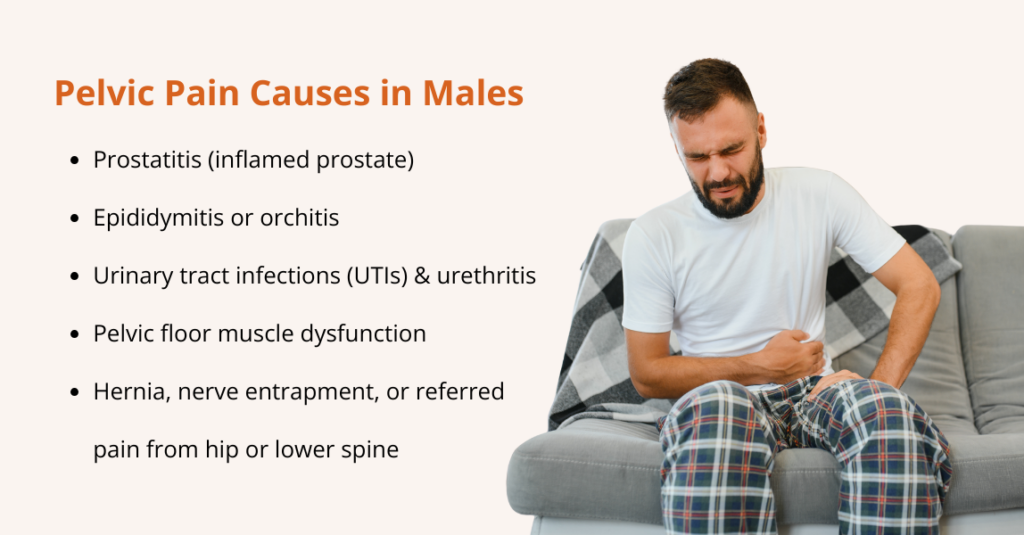
Pelvic Pain Causes in Males
Possible pelvic pain causes in males include:
- Prostatitis (inflamed prostate) can cause aching, burning, painful ejaculation, or urinary problems.
- Epididymitis or orchitis is inflammation or infection of the testicle or epididymis.
- Urinary tract infections (UTIs) and urethritis (including STIs) can cause pain with urination, urgency, or discharge.
- Pelvic floor muscle dysfunction can tighten or spasm pelvic muscles that cause ongoing pain, aching, or pain with sitting/sex.
- Hernia, nerve entrapment, or referred pain from hip or lower spine problems.
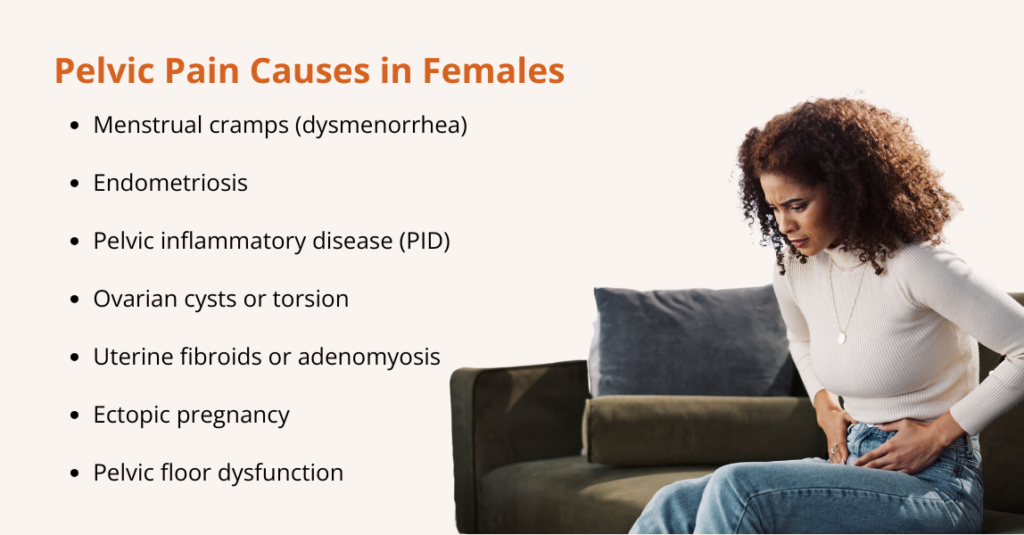
Pelvic Pain Causes in Females
Possible pelvic pain causes in females include:
- Menstrual cramps (dysmenorrhea) can cause crampy pelvic pain during periods.
- Endometriosis, or uterine lining tissue outside the uterus, can cause chronic or cyclical pain.
- Pelvic inflammatory disease (PID) is an infection of the reproductive organs, often from STIs, causing deep pelvic pain and sometimes fever.
- Ovarian cysts or torsion can cause sudden, sharp pain if a cyst ruptures or the ovary twists.
- Uterine fibroids or adenomyosis can cause heavy bleeding and pelvic pressure or pain.
- Ectopic pregnancy is a medical emergency that causes sharp, one-sided pelvic pain and should be ruled out in anyone of childbearing potential with acute pain.
- Pelvic floor dysfunction (also common in people assigned female) can cause pain with intercourse, bowel movements, or sitting.
Pelvic Conditions that Affect all Genders
Possible causes of pelvic pain in both males and females may include:
- Gastrointestinal problems, such as constipation, irritable bowel syndrome (IBS), diverticulitis, and appendicitis.
- Urinary causes, including kidney stones, pyelonephritis (kidney infection), and recurrent UTIs.
- Musculoskeletal, pulled hip, or abdominal muscles, pubic symphysis pain, or referred pain from the back.
- Nerve problems, such as pudendal nerve entrapment or other nerve irritation, can cause burning or shooting pain.
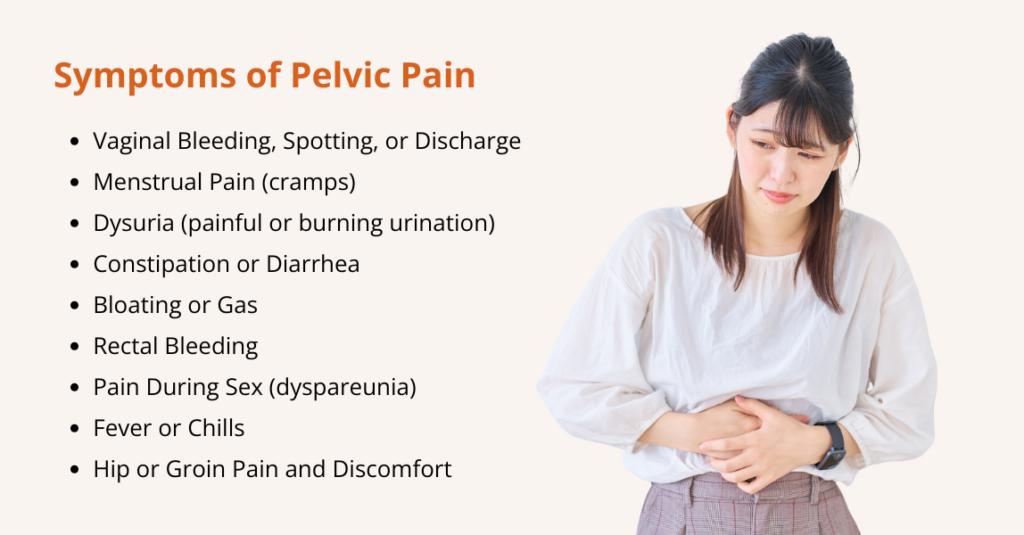
What are the Symptoms of Pelvic Pain?
Symptoms of pelvic pain vary and may include:
- Vaginal Bleeding, Spotting, or Discharge
This includes unusual bleeding between periods or after sex, unusual vaginal discharge, or bleeding heavier than normal.
- Menstrual Pain (cramps)
Painful cramps before or during periods are common and may be part of normal menstruation, but if unusually severe, they can indicate conditions like endometriosis or fibroids.
- Dysuria (painful or burning urination)
Pain, burning, or discomfort during urination may indicate a urinary tract infection (UTI), bladder irritation, or other urinary issues.
- Constipation or Diarrhea
Digestive changes such as hard stools, infrequent bowel movements, or loose stools with discomfort may occur with pelvic pain, particularly when the intestines or nerves near the pelvis are involved.
- Bloating or Gas
Feeling full, stretched, or gassy in the lower belly often goes with pelvic pain caused by digestive conditions like irritable bowel syndrome (IBS).
- Rectal Bleeding
Seeing blood when you have a bowel movement can be alarming and may come from conditions like hemorrhoids or more serious digestive issues. If present with pelvic pain, it needs evaluation.
- Pain During Sex (dyspareunia)
Pain with intercourse is a frequent companion to pelvic pain and can be related to muscular tension, reproductive organ conditions, or pelvic floor dysfunction.
- Fever or Chills
Feeling hot or shivery with pelvic pain may suggest an infection, such as PID (pelvic inflammatory disease) or a UTI that has spread.
- Hip or Groin Pain and Discomfort
Pain that spreads to the hip, groin, or lower back often accompanies pelvic pain, especially when muscles, ligaments, or nerves in the area are involved.
Which Kind of Pelvic Pain Is This? Matching the Pattern to the Right Path
Pelvic pain resolves faster when the pattern is matched to the right starting point, and three patterns cover most of what this page describes. Pain accompanied by heavy or prolonged periods, pressure or fullness that persists through the month, and bladder or bowel changes fits the fibroid pattern — our guide to pelvic pain and pressure from fibroids covers it, and uterine fibroid embolization is the non-surgical treatment path where fibroids are confirmed.
Pain that has lasted more than six months, worsens through the day on your feet or after standing, eases when lying down, and often dates from a pregnancy fits the pelvic congestion pattern — assessed differently, and treatable with ovarian vein embolization where enlarged pelvic veins are confirmed. Pain in men alongside urinary symptoms points toward the prostate and is covered in our prostate health resources]. None of these patterns is a diagnosis; each is a reason to have the right evaluation rather than a general one.
How is Pelvic Pain Diagnosed?
Because pelvic pain has numerous causes, diagnosis requires a comprehensive evaluation.
Initial Assessment
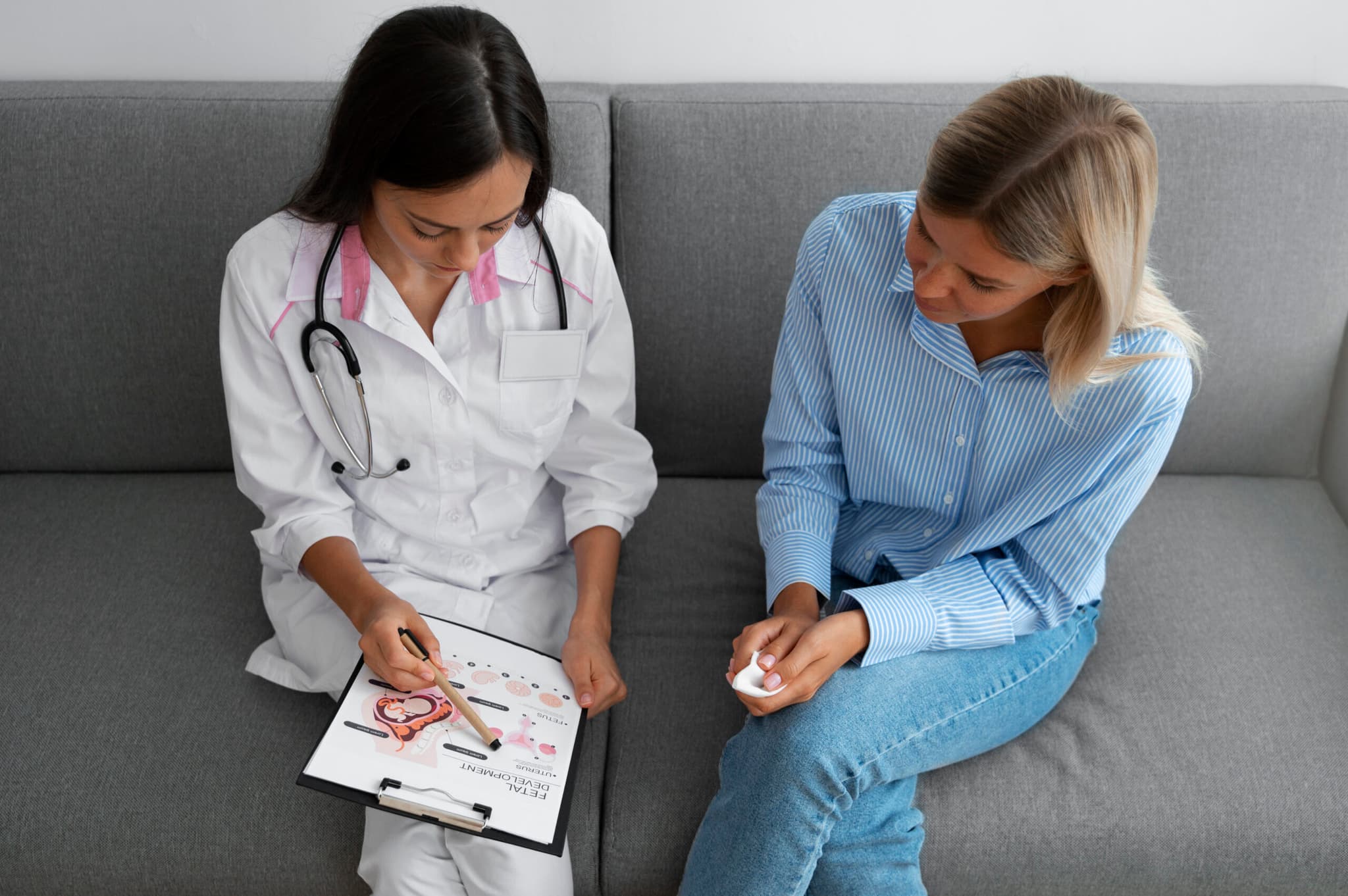
Your doctor will ask about when the pain started, where it hurts, what makes it better or worse, whether it’s related to urination, bowel movements, sexual activity, or your menstrual cycle, and your medical history.
Medical History
Your clinician will ask detailed questions about:
- Pain pattern and duration
- Other related symptoms (urinary, bowel, sexual)
- Past infections, surgeries, or conditions
These details help narrow down the possible causes.
Physical Exam
A physical and pelvic exam allows the physician to assess tenderness, masses, muscle tightness, or abnormalities around the pelvis. This exam guides what tests might be needed next.
Lab & Imaging Tests
Blood and urine tests can identify infections, inflammation, anaemia, or pregnancy.
- Blood Tests: Used to check for infection, inflammation, and sometimes pregnancy (when relevant). They can also screen for sexually transmitted infections if indicated.

Are You a Candidate for UFE?
If you answer "yes" to any of these questions, you may be a candidate for this treatment.
Call Now — (409) 213-9575Your information is protected under HIPAA. We will never share your data.
Specialized Procedures
Depending on the case, the following specialized procedures may be required:
- Laparoscopy: This is a minimally invasive surgical procedure where a camera is inserted through a small incision to directly view pelvic organs. It is often used when other tests don’t clarify the cause or when conditions like endometriosis, adhesions, or cysts are suspected.
- Cystoscopy: A thin scope with a camera is inserted through the urethra to examine the bladder for inflammation, structural abnormalities, or other causes of pain.
- Colonoscopy or Sigmoidoscopy: These procedures examine the colon and rectum using a flexible scope. They may be used if bowel causes (e.g., inflammatory bowel disease, ulcers, tumors) are suspected.
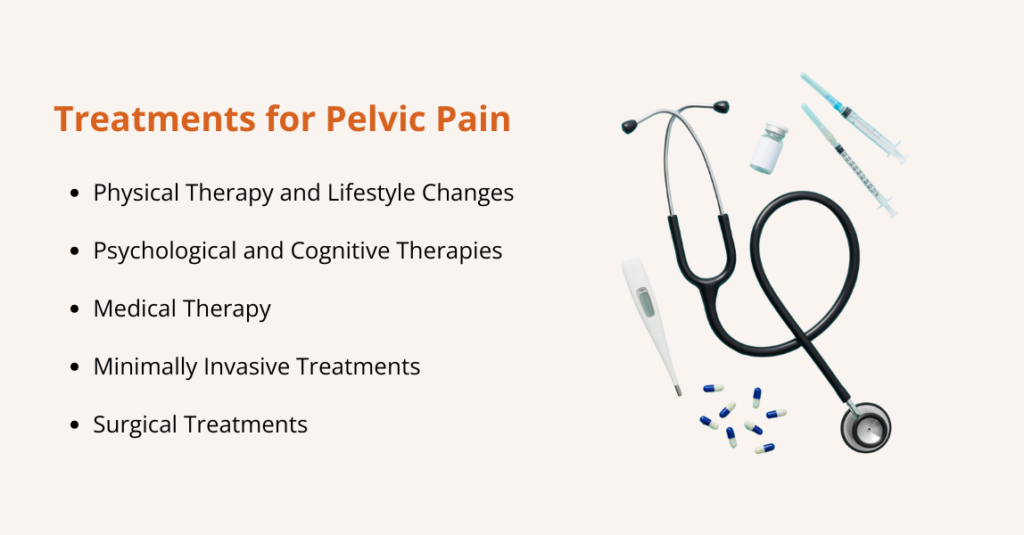
What are the Treatments for Pelvic Pain?
Treatment depends on the underlying cause, the severity and duration of pain, and the individual’s goals. Management usually involves one or more of the following approaches:
Physical Therapy and Lifestyle Changes
Pelvic floor physical therapy helps relax or strengthen pelvic muscles, reduce trigger points, and improve bladder and bowel function. Techniques may include manual therapy, biofeedback, and guided exercises.
Also, lifestyle changes such as regular physical activity, stretching, a high-fiber diet, and smoking cessation also support pain reduction and overall pelvic health.
Psychological and Cognitive Therapies
Chronic pelvic pain often involves nervous system sensitivity and emotional stress.
Cognitive behavioral therapy (CBT), mindfulness, and counseling can help manage pain, improve coping skills, and address anxiety or depression linked to long-term pain.
Medical Therapy
Over-the-counter pain relievers such as NSAIDs and acetaminophen (i.e. Advil & Tylenol) are commonly used to ease mild to moderate pain.
For chronic or nerve-related pelvic pain, doctors may prescribe medications like tricyclic antidepressants, SNRIs, or anticonvulsants.
Antibiotics are used when pelvic pain is caused by bacterial infections such as pelvic inflammatory disease (PID), urinary tract infections (UTIs), or bacterial vaginosis, and early treatment helps prevent complications like infertility.
Moreover, hormonal therapies, including combined oral contraceptives, progestin-only pills, depot medroxyprogesterone, or GnRH agonists with add-back therapy, help reduce pain by suppressing ovulation and thinning the uterine lining, making them effective for conditions like endometriosis and painful periods.
In some cases, muscle relaxants, vaginal medications, antidepressants, or targeted pain injections are used, and nerve blocks may be performed to interrupt pain signals, serving both diagnostic and therapeutic purposes.
Minimally Invasive Treatments
When conservative care fails, or a specific cause is found, several minimally invasive or image-guided options may be used before or instead of open surgery:
- Laparoscopy: Small-port surgery with a camera to excise endometriosis implants, drain or remove ovarian cysts, or free adhesions.
- Uterine Fibroid Embolization (UFE): A non-surgical, interventional radiology procedure that blocks blood flow to fibroids to shrink them and relieve symptoms.
- Ovarian Vein Embolization (OVE): an image-guided procedure that closes the malfunctioning pelvic veins responsible for pelvic congestion syndrome (PCS). PCS is chronic pelvic pain lasting more than six months that worsens with standing and often follows pregnancy.
- Neuromodulation/Spinal Cord Stimulation: Implanted or percutaneous devices that alter pain signals for refractory pelvic pain syndromes; can be trialed minimally invasively.
- Targeted Nerve Blocks and Injections: Pudendal or other nerve blocks are used diagnostically and therapeutically to reduce pain.
Surgical Treatments
Surgery is considered when minimally invasive options are insufficient or when definitive removal of pathology is required:
- Excisional Surgery (laparoscopic or open): Removal of disease, such as deep endometriosis; the choice of approach depends on the extent and location of the disease.
- Myomectomy: Surgical removal of symptomatic fibroids when uterine preservation is desired.
- Hysterectomy: Removal of the uterus for chronic, refractory uterine causes of pain when childbearing is complete, and other treatments have failed.
How to Relieve Pelvic Pain?
For people with chronic or mild pelvic pain, there are several steps you can take at home to help manage and ease your symptoms. For example:
- Heat Therapy: Applying a heating pad or warm compress to the pelvic area, or taking a warm bath, relaxes muscles and improves blood flow.
- Regular Exercise: Moderate physical activity improves circulation and may reduce discomfort. Avoid overuse; limit activities requiring prolonged standing or walking.
- Dietary Adjustments: A high‑fibre diet aids bowel movements and prevents constipation-related pelvic pain. Stay hydrated and limit caffeine and alcohol if they exacerbate bladder pain.
- Relaxation and Mindfulness: Practices such as yoga, meditation, or mindfulness reduce stress and tension and may ease chronic pain.
- Stop Smoking: Tobacco products inflame nerves and reduce blood flow; quitting smoking may help relieve pain.
- Acute vs. Chronic: Acute pelvic pain occurs suddenly, lasts minutes to days, and often signals an urgent condition (e.g., ruptured ovarian cyst, appendicitis, ectopic pregnancy). Chronic pelvic pain lasts at least six months; it may be constant or intermittent and can be cyclic (related to the menstrual cycle) or non‑cyclic.
- Cyclic vs. Non‑Cyclic: Cyclic pain occurs at specific times in the menstrual cycle, such as menstrual cramps or mid-cycle ovulation pain. Non-cyclic pain has no link to the menstrual cycle and may be caused by conditions like endometriosis, interstitial cystitis, IBS, or pelvic floor dysfunction.
- Primary vs. Secondary Chronic Pain: Primary chronic pelvic pain occurs without an identifiable physical cause and is often linked to nervous system sensitization and psychological factors. Secondary chronic pelvic pain results from a known condition such as infection, inflammation, nerve damage, or endometriosis.
- Visceral vs. Somatic vs. Neuropathic: Visceral pain comes from internal organs and feels dull or crampy. Somatic pain arises from muscles, ligaments, or bones and is usually sharp or aching. Neuropathic pain is caused by nerve injury or entrapment and may present as burning or electric sensations.
- By Organ System: Pelvic pain may also be classified by the affected system, including gynecologic, urologic, gastrointestinal, musculoskeletal/neurologic, or psychological causes.
- Avoid overuse: Limit activities that involve prolonged standing or walking to reduce strain on the pelvic muscles.
- Eat more fiber: A high-fiber diet supports digestion and may help prevent pelvic pain associated with constipation or diverticulitis.
- Exercise regularly: Staying active maintains muscle and joint strength and improves overall pelvic health.
- Stretch before activity: Warming up and stretching before exercise helps reduce muscle tension and the risk of injury.
- See your healthcare provider regularly: Routine checkups can help detect and treat potential issues early, before symptoms worsen.
It’s important to consult a healthcare professional before attempting self‑treatment, especially when pain is severe, new, or accompanied by concerning symptoms.
Frequently Asked Questions (FAQs)
What are the different types of pelvic pain?
There are several ways to classify pelvic pain, and understanding the pattern helps clinicians identify potential causes.
Can pelvic pain be prevented?
Pelvic pain cannot always be prevented, but certain healthy habits may help lower your risk and reduce symptom flare-ups, such as:
When should I see a doctor for pelvic pain?
Seek immediate medical care if pelvic pain is sharp, severe, or sudden; if you cannot stand upright; if you notice blood in your urine or stool; if you have a fever; or if you are pregnant or have been pregnant in the last six months. Persistent pelvic pain lasting more than two weeks also warrants evaluation. Red‑flag findings such as postcoital bleeding, postmenopausal bleeding, unexplained weight loss, or a pelvic mass require prompt assessment.
Conclusion
Pelvic pain is more than just a physical symptom; it can affect your comfort, confidence, relationships, and daily life.
Its causes are complex and may involve the reproductive organs, urinary system, digestive tract, muscles, nerves, or emotional health.
Sudden pelvic pain can be frightening and may signal an urgent medical problem, while ongoing or recurring pain can be exhausting and discouraging, especially when answers are not immediate.
Chronic pelvic pain, in particular, is often influenced by how the nervous system processes pain and by emotional stress, making it feel overwhelming and isolating for many people.
Therefore, a thorough medical evaluation is essential to understand what’s happening and to rule out serious conditions.
Treatment is highly individualized and may include medications, hormonal therapy, antibiotics, pelvic floor physical therapy, lifestyle adjustments, psychological support, or surgery.
Most importantly, persistent pelvic pain is not something you should ignore or feel you must “live with.” If pelvic pain is affecting you, reaching out to a healthcare provider is an important first step toward understanding, support, and healing.
Why Choose Seamless Medical Centers?
- Minimally Invasive: Most procedures require only a small incision and are performed as outpatient services.
- Expert Care: Board-certified interventional radiologists with extensive training and experience.
- Faster Recovery: Less downtime compared to traditional surgery, getting you back to your life sooner.
- Advanced Technology: State-of-the-art imaging and treatment equipment for precise, effective care.
- Patient-Centered: Personalized treatment plans tailored to your unique needs and goals.