
JOINT PAIN
Genicular Artery Embolization (GAE)
A minimally invasive, non-surgical treatment to reduce chronic knee pain caused by osteoarthritis.
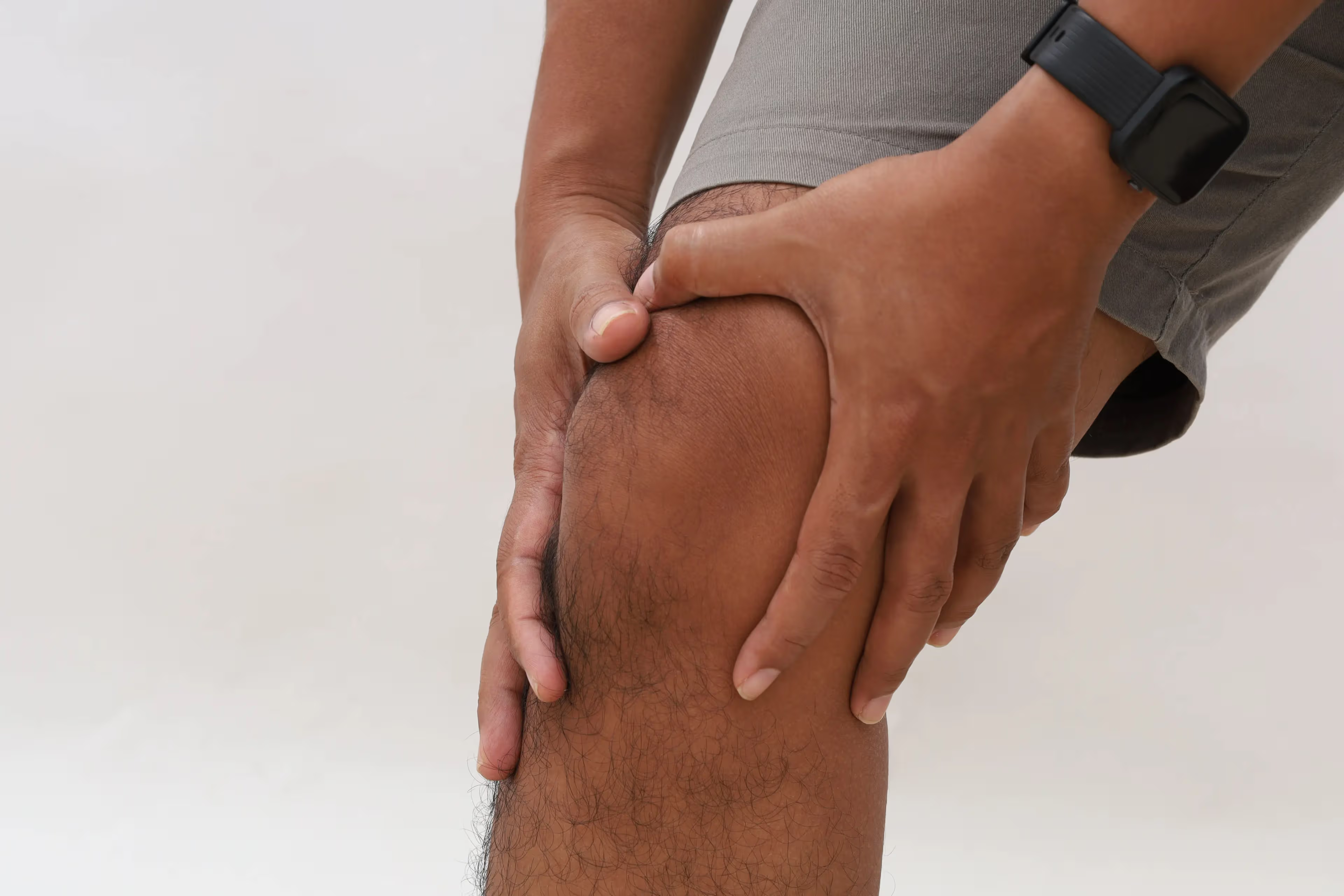

What is Genicular Artery Embolization (GAE)
Genicular artery embolization (GAE) is a cutting-edge, minimally invasive procedure used to treat chronic knee pain caused by osteoarthritis. Instead of replacing the knee joint or performing surgery, GAE targets the abnormal blood vessels that contribute to inflammation and pain.
At Seamless Medical Centers in Port Arthur, TX, GAE is performed using advanced imaging guidance to selectively block these small vessels. This reduces inflammation, decreases pain, and helps improve knee function often without the need for knee replacement surgery.
Symptoms Treated

Knee Stiffness
Difficulty moving the knee, especially after periods of rest or inactivity.

Leg Swelling
Joint inflammation and fluid buildup can cause the leg to swell.

Knee Pain
Chronic, progressive pain in the knee, triggered either by activity or inactivity and fluctuating throughout the day.
Knee Stiffness
Difficulty moving the knee, especially after periods of rest or inactivity.
Leg Swelling
Joint inflammation and fluid buildup can cause the leg to swell.
Knee Pain
Chronic, progressive pain in the knee, triggered either by activity or inactivity and fluctuating throughout the day.
Are You a Candidate for GAE?
If you answer "yes" to any of these questions, you may be a candidate for this treatment.
Call Now — (409) 213-9575Question 1 of 3
In the past 48 hours, have you had moderate to severe knee pain?
Prefer to talk? Call (409) 213-9575
Your information is protected under HIPAA. We will never share your data.


Procedure Details
During your consultation, our specialists will:
Pre-Procedure Assessment
Before GAE, our Seamless Medical Team at Port Arthur, TX team reviews your medical history, imaging studies, and prior treatments to determine whether genicular artery embolization is appropriate for your knee pain.
During the GAE Procedure
GAE is performed using a tiny catheter guided through the blood vessels under X-ray imaging. Microscopic embolization particles are delivered to targeted arteries around the knee to reduce inflammation and pain.
Post-Procedure Care
GAE is performed as an outpatient procedure with patients going home shortly after the procedure. Most patients can resume normal activities within 1-2 days.
We'll answer all your questions and ensure you fully understand your options, even if that means we think you are better suited by procedures we don't offer.
Benefits and Risks
Typical Benefits
- •Significant pain reduction within weeks
- •Minimally invasive with faster recovery than surgery
- •Preservation of joint structure and function
- •Potential to delay or prevent knee replacement surgery
Potential Risks
- •Temporary increase in pain for 1-3 days post-procedure
- •Minor bruising or discomfort at the access site
- •Small risk of non-target embolization
- •Rare allergic reactions to contrast material
- •Varying degrees of response across patients
Recovery and Outlook
Recovery from GAE is typically quick, with most patients returning to normal activities within a few days. While some patients experience a temporary increase in knee pain for 1-3 days following the procedure, this usually resolves quickly. Pain relief often begins within 1-2 weeks and continues to improve over 2-3 months. Clinical studies show that approximately 70-80% of patients experience significant pain reduction and improved function following GAE. Results can last for 1-3 years or longer, though individual outcomes vary based on the severity of arthritis and other health factors.

Answers to Your
Common Questions
GAE provides long-lasting pain relief by reducing inflammation in the knee joint. Clinical studies show that 70-80% of patients experience significant pain reduction lasting 1-3 years or longer. While GAE doesn’t cure osteoarthritis, it can significantly slow disease progression and may delay or eliminate the need for knee replacement surgery. Some patients may benefit from repeat treatment in the future.
GAE is a minimally invasive alternative that preserves your natural knee joint and anatomy. Unlike knee replacement, GAE requires no surgical incisions, has minimal recovery time (days vs months), and carries significantly fewer risks. While knee replacement provides more predictable long-term results, GAE can offer substantial pain relief while maintaining joint function and may delay the need for replacement surgery.
Most patients can resume normal daily activities within 1-2 days after GAE. You may experience temporary increased knee pain for 1-3 days post-procedure, which then improves. Light exercise and walking are encouraged immediately. More strenuous activities and sports can typically be resumed within 1-2 weeks, depending on your individual recovery and comfort level.
Many patients are able to reduce or eliminate their pain medications after successful GAE treatment. However, medication needs vary by individual and the severity of arthritis. We recommend continuing any prescribed arthritis medications initially and working with your doctor to gradually reduce them as your symptoms improve. Some patients may still benefit from occasional anti-inflammatory medications.
Good candidates for GAE include patients with moderate to severe knee osteoarthritis who have persistent pain despite conservative treatments (medications, physical therapy, injections). You should have realistic expectations about pain improvement rather than complete elimination. GAE may not be suitable for patients with severe bone-on-bone arthritis or those requiring immediate major intervention.

Your physician: Zagum Bhatti, M.D.
Board-Certified Interventional Radiologist · Former Assistant Professor of VIR, UTHealth Houston
Dr. Bhatti specializes in image-guided embolization as an alternative to knee replacement.
Meet Dr. Bhatti →