



Trusted by Hundreds of Doctors.Refer a Patient Today
Seamless Medical Centers Logo
(409) 213-9575Tap to Call

Advanced Vascular Care

Restore Circulation and Relieve Leg Pain with PAD Treatment

Patients from Westlake, LA are seen at our Port Arthur office. Minimally invasive treatment for peripheral artery disease that restores blood flow, relieves leg pain, and helps prevent amputation.

consultation

Book Your Appointment Today

Same week appointments available

🔒 Your information is 100% private. We never share your data.

Medically reviewed by Zagum Bhatti, M.D. Board-Certified Interventional Radiologist

Last reviewed: July 4, 2026

Patients from Westlake, LA are seen at our office located at 3300 Jimmy Johnson Blvd, Suite #130, Port Arthur, TX 77642 — 48 miles away.

Seamless Medical Centers

What Is Peripheral Artery Disease Treatment?

Peripheral artery disease (PAD) is a condition where narrowed arteries reduce blood flow to the limbs, most commonly the legs. This can cause leg pain with walking, numbness, and slow-healing wounds. Minimally invasive PAD treatment uses techniques like angioplasty, stenting, and atherectomy to open blocked arteries and restore normal blood flow. By addressing blockages early, these treatments help relieve symptoms, improve mobility, and reduce the risk of serious complications including amputation. For leg-pain claudication, current guidelines recommend structured exercise and medical therapy first, with angioplasty, stenting, or atherectomy added when symptoms remain functionally limiting; for chronic limb-threatening ischemia (rest pain or non-healing wounds), timely revascularization is recommended to help preserve the limb.

Who It's For

Who Can Benefit from Peripheral Artery Disease Treatment?

Peripheral artery disease affects millions of people, particularly those over 50, smokers, and individuals with diabetes or high cholesterol. Early diagnosis and treatment can help prevent disease progression and improve quality of life.

Leg Pain and Cramping

Individuals Experiencing Leg Pain When Walking

Pain, cramping, or fatigue in the legs during walking that resolves with rest is a classic sign of PAD. Treatment can relieve this discomfort and help you return to activities you enjoy.

Non-Healing Wounds

Patients with Slow-Healing Leg or Foot Wounds

Poor circulation can lead to wounds that heal slowly or not at all. Restoring blood flow with minimally invasive PAD treatment helps promote healing and reduces the risk of infection or amputation.

Reduced Mobility

Individuals with Reduced Mobility Due to Leg Discomfort

When leg pain limits your ability to walk, exercise, or perform daily activities, PAD may be the cause. Treatment can help restore circulation and improve your quality of life.

Amputation Prevention

Patients at Risk of Limb Loss

Advanced PAD can lead to critical limb ischemia, a serious condition that threatens limb survival. Early intervention with minimally invasive techniques can help restore blood flow and prevent amputation.

Common Symptoms

Peripheral Artery Disease Treatment for Patients with Leg Pain

PAD often goes undiagnosed because many people assume leg pain is a normal part of aging. However, recognizing the symptoms early and seeking treatment can prevent disease progression and serious complications.

checkLeg pain or cramping when walking (claudication)
checkNumbness or weakness in the legs
checkColdness in the lower leg or foot
checkSores on toes, feet, or legs that heal slowly
checkChange in the color of your legs
checkShiny, tight skin on the legs

Peripheral artery disease is diagnosed through a physical exam, ankle-brachial index (ABI) test, and imaging studies such as ultrasound or angiography. Once diagnosed, Dr. Zagum Bhatti develops a personalized treatment plan to address your specific blockages and symptoms.

Minimally invasive PAD treatment typically involves a small catheter inserted through a blood vessel in the groin or arm. Using imaging guidance, Dr. Bhatti performs angioplasty, places stents, or removes plaque to restore blood flow. Most patients return home the same day.

If you're experiencing any of these symptoms, schedule a consultation now →

What to Expect

Safety, Recovery & What to Expect

Endovascular PAD treatment is an established, minimally invasive procedure with a strong safety record. Understanding recovery and possible side effects is part of making an informed decision.

Recovery

Most PAD procedures are outpatient, performed under local anesthesia with conscious sedation, with same-day discharge and a return to light activity in 1–3 days.

Side effects and risks

The most common effect is mild soreness or bruising at the groin or wrist access site for a few days, managed with over-the-counter pain relief. Less common is access-site bleeding or hematoma; rare risks include vessel injury, contrast reaction, or re-narrowing (restenosis) of the treated segment requiring repeat treatment.

PAD is a progressive disease

Treatment restores blood flow but does not stop the disease — durable results depend on smoking cessation, diabetes and cholesterol control, and follow-up. Endovascular treatment isn't for everyone: claudication that responds to structured exercise and medical therapy generally should not be revascularized, and some blockages are better served by open surgery. Dr. Bhatti confirms candidacy.

Minimally Invasive Care

Minimally Invasive PAD Treatment vs. Open Bypass Surgery

For selected patients, endovascular PAD treatment — angioplasty, stenting, and atherectomy — is a less-invasive, guideline-recommended option than open bypass surgery, with 80–90% of patients experiencing significant symptom relief. It is not a replacement for surgery when surgery is the better choice; the right approach depends on the location, length, and calcification of the blockage, available vein conduit, and your surgical risk.

checkPinhole entry at the groin or wrist — no open surgical incision
checkLocal anesthesia with conscious sedation, not general anesthesia
checkSame-day discharge in most cases
checkReturn to light activity in 1–3 days

Endovascular PAD Treatment vs. Open Bypass — A Direct Comparison

Endovascular PAD TreatmentOpen Bypass Surgery
IncisionPinhole entry (groin or wrist)Open surgical incision(s)
AnesthesiaLocal anesthesia with conscious sedationGeneral or regional anesthesia
Hospital staySame-day discharge in most casesMulti-day hospital stay
RecoveryLight activity in 1–3 daysWeeks
Regulatory statusEstablished; FDA-approved/cleared devicesEstablished surgical standard
EvidenceGuideline-recommended (2024 ACC/AHA multi-society)Guideline-recommended; highly durable, especially with vein conduit
InsuranceCovered for medically indicated treatment; we verify benefitsCovered

Endovascular and surgical revascularization are both effective; selection is individualized (BEST-CLI and BASIL-2 inform this choice). Dr. Bhatti reviews your anatomy and surgical risk to recommend the approach that fits your case.

Seamless Medical Centers

Are You a Candidate for PAD Treatment?

If you answer "yes" to any of these questions, you may be a candidate for this treatment.

Call Now — (409) 213-9575

Question 1 of 4

Have you been diagnosed with Peripheral Artery Disease (PAD) by a doctor?

Prefer to talk? Call (409) 213-9575

Your information is protected under HIPAA. We will never share your data.

Your Consultation

Schedule Your Peripheral Artery Disease Consultation

Dr. Zagum Bhatti reviews whether PAD treatment is appropriate for you — and whether structured exercise, medical therapy, or another approach fits better. During your consultation, Dr. Bhatti will:

  • checkReview your symptoms, walking tolerance, and cardiovascular risk factors
  • checkPerform or review ankle-brachial index (ABI) testing and vascular ultrasound
  • checkConfirm the location and severity of arterial blockage
  • checkDiscuss angioplasty, stenting, or atherectomy — and structured exercise or medical therapy where indicated
  • checkVerify insurance coverage before treatment begins

Got Questions?
Frequently Asked Questions

About Your Physician
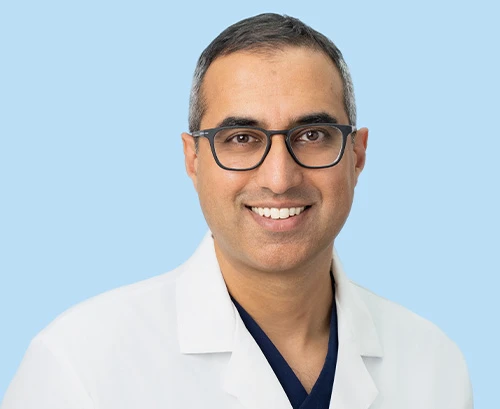
Dr. Zagum Bhatti, M.D., board-certified interventional radiologist and founder of Seamless Medical Centers

Zagum Bhatti, M.D.

Board-Certified Interventional Radiologist

Founder & Chief Medical Officer; Interventional Radiologist

Dr. Zagum Bhatti is a board-certified, dual-fellowship-trained interventional radiologist and a former Assistant Professor of Vascular & Interventional Radiology at the University of Texas Health Science Center at Houston (UTHealth). He has dedicated his career to minimally invasive, image-guided procedures that treat serious conditions without open surgery. As Founder and Chief Medical Officer of Seamless Medical Centers, he brings academic-level expertise — including published peer-reviewed research in vascular and interventional radiology — to a community practice in Southeast Texas, making advanced treatments for enlarged prostate, uterine fibroids, knee osteoarthritis, peripheral artery disease, and chronic pain available close to home.

Education & training

  • B.S., Biochemistry University of Wisconsin–Milwaukee (2001–2004)
  • Doctor of Medicine (M.D.) Medical College of Wisconsin (2004–2008)
  • Residency, Diagnostic Radiology Michigan State University College of Human Medicine (2008–2012)
  • Fellowship, Neuroradiology Medical College of Wisconsin (2013–2014)
  • Fellowship, Vascular & Interventional Radiology Rush University Medical Center (Rush Medical College) (2014–2015)

Board certification & licensure

  • Board Certified in Interventional Radiology / Diagnostic Radiology, American Board of Radiology — actively maintained in the ABR Continuing Certification (MOC) program
  • Texas Medical License #Q3852
  • NPI 1053577890

Medical Sources

The clinical information on this page is supported by the following peer-reviewed studies and professional medical society guidance.

  1. 2024 ACC/AHA/Multisociety Guideline for the Management of Lower Extremity Peripheral Artery Disease. Circulation. 2024. — Revascularization indications (claudication after GDMT + structured exercise; CLTI Class 1); structured exercise Class 1-A; SIR/SVS co-authorship.
  2. American College of Cardiology — Ten Points to Remember: 2024 Lower-Extremity PAD Guideline. — Recommendation classes for claudication vs CLTI.
  3. Cleveland Clinic — Peripheral Artery Disease. — Smoking and diabetes among the strongest risk factors.

Ready to learn more?

Schedule a consultation with Dr. Bhatti to discuss your treatment options and see if this procedure is right for you.

Most major plans accepted, including Medicare/Medicaid — we verify before your visit.